Top 10 World-Famous Film Directors
Throughout film history, countless visionary directors have shaped the art of cinema. Yet, when we rank those who are globally popular—beloved by audiences and respected by critics—a unique hierarchy emerges. In this feature, we count down the top 10 most popular film directors in the world, taking into account their box office success, cultural influence, and artistic impact. Whether you’re a cinephile or a casual moviegoer, revisiting the works of these filmmakers offers a fascinating journey through the evolution of global cinema.
10. Ridley Scott
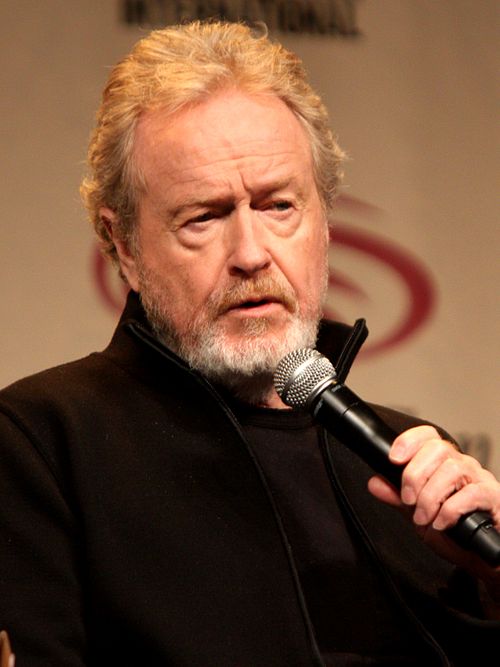
A pioneer of modern blockbuster filmmaking, Ridley Scott redefined visual storytelling with Alien (1979) and Blade Runner (1982), and delivered grand historical spectacle in Gladiator (2000). Known for his immersive world-building and genre-spanning versatility, Scott’s ability to craft richly detailed universes has captivated audiences worldwide. His mastery of atmosphere and visual precision firmly secures his place in the top 10.
9. Quentin Tarantino

No one blends pop culture, violence, and cinematic homage quite like Quentin Tarantino. From the sharp dialogue of Pulp Fiction (1994) to the stylish vengeance of Kill Bill (2003) and the nostalgic reimagining of Once Upon a Time in Hollywood (2019), his films celebrate cinema itself. Loved for his witty writing and fearless creativity, Tarantino enjoys an international cult following, earning him the 9th spot.
8. David Fincher
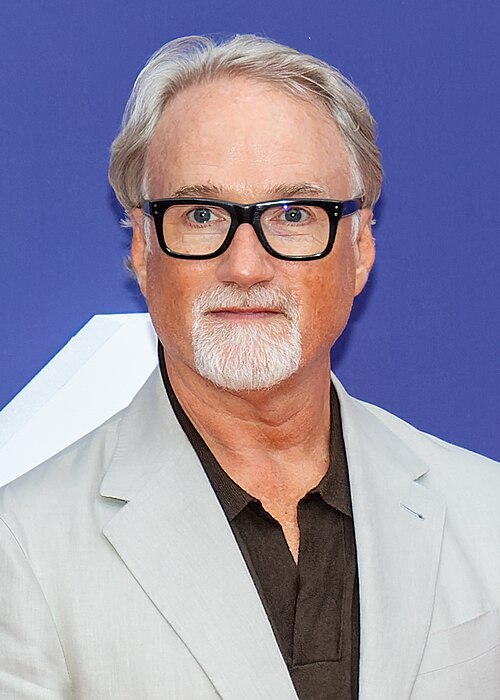
Renowned for his meticulous direction and sleek, dark aesthetic, David Fincher has crafted modern masterpieces like Fight Club (1999) and The Social Network (2010). His films explore human psychology, obsession, and the underbelly of modern life. Admired by filmmakers and audiences alike for his technical precision and thematic depth, Fincher represents the cutting edge of contemporary cinema.
7. Peter Jackson
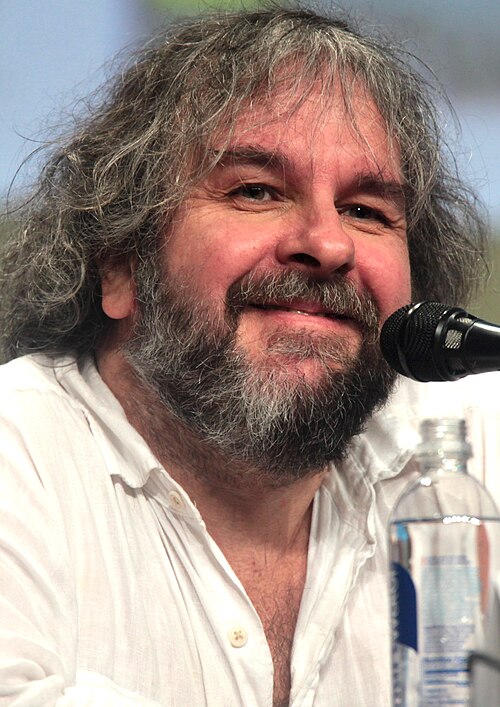
Peter Jackson achieved global acclaim through The Lord of the Rings trilogy (2001–2003), culminating in The Return of the King (2003), which swept the Academy Awards. His epic storytelling, innovative use of visual effects, and dedication to Tolkien’s world transformed fantasy cinema. As a director who brought massive, imaginative universes to life, Jackson’s influence on global filmmaking is undeniable.
6. James Cameron
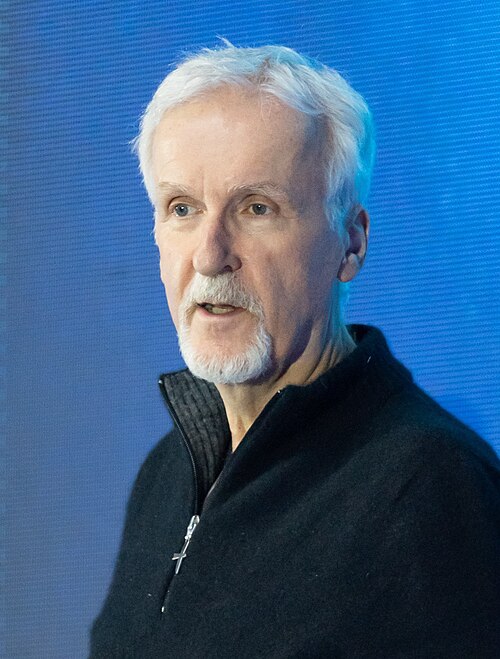
James Cameron stands as the ultimate fusion of storytelling and technology. His groundbreaking achievements with Titanic (1997) and Avatar (2009) revolutionized visual effects and box office history. Known for his relentless pursuit of innovation, Cameron has repeatedly pushed cinematic boundaries. His films are not just spectacles—they’re milestones that shape the future of filmmaking.
5. Stanley Kubrick
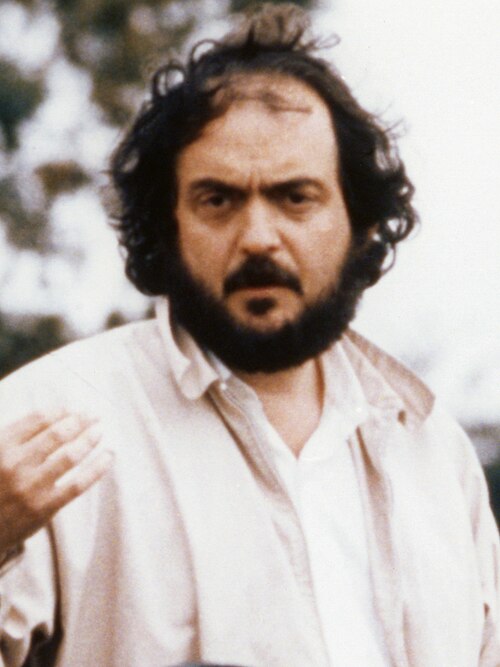
A true auteur, Stanley Kubrick remains one of the most studied and revered directors in history. With visionary works like 2001: A Space Odyssey (1968) and A Clockwork Orange (1971), he expanded the possibilities of film language itself. Though not always a commercial giant, Kubrick’s intellectual rigor and formal mastery profoundly influenced generations of filmmakers, securing his place as a top-five legend.
4. Alfred Hitchcock
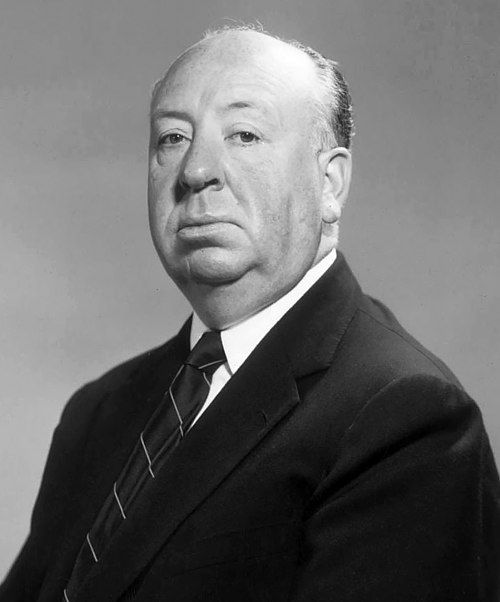
The undisputed “Master of Suspense,” Alfred Hitchcock redefined the thriller genre with timeless classics such as Vertigo (1958) and Psycho (1960). His mastery of tension, narrative structure, and visual storytelling turned cinema into psychological art. Both critics and audiences continue to celebrate his work, making Hitchcock a foundational figure in film history and deserving of the 4th position.
3. Martin Scorsese
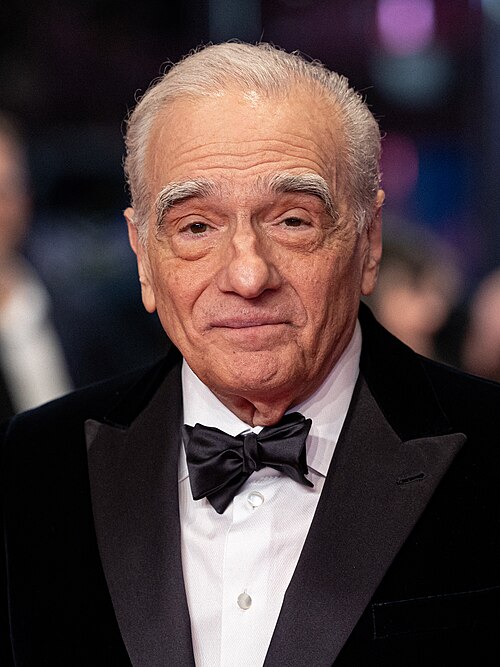
A living legend and one of America’s greatest storytellers, Martin Scorsese has spent decades exploring themes of morality, violence, and redemption. From Taxi Driver (1976) to Goodfellas (1990) and The Irishman (2019), his body of work reflects a deep passion for cinema itself. With his combination of artistry, cultural commentary, and enduring relevance, Scorsese rightfully takes the 3rd spot.
2. Christopher Nolan
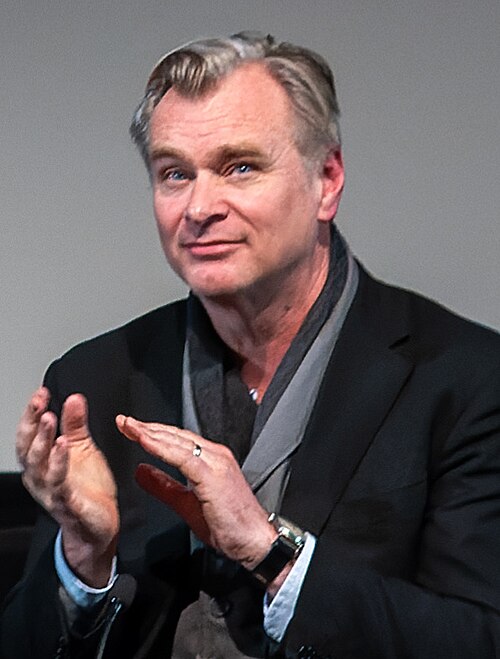
Christopher Nolan has become the defining filmmaker of the 21st century. Known for his cerebral narratives and breathtaking visuals, Nolan has captivated audiences with films like Inception (2010), Interstellar (2014), and Oppenheimer (2023). Balancing massive box office success with intellectual storytelling, he embodies the rare blend of artistry and accessibility that marks a true modern master.
1. Steven Spielberg
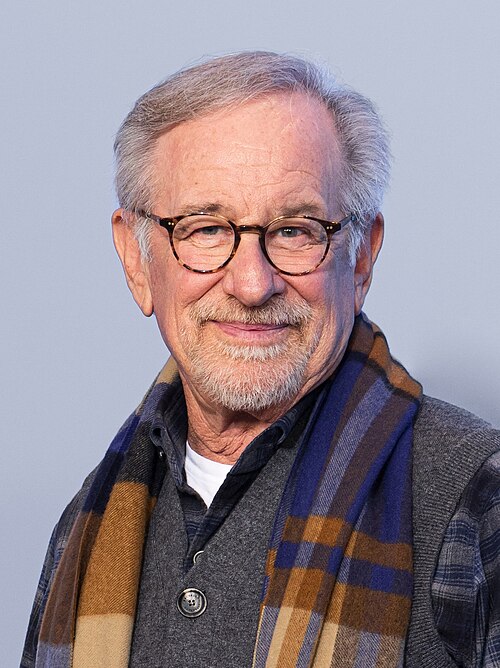
Steven Spielberg stands as the most influential and beloved director in the world. From Jaws (1975), which redefined the summer blockbuster, to E.T. the Extra-Terrestrial (1982) and Schindler’s List (1993), his works combine emotional resonance, technical brilliance, and universal appeal. Spielberg’s career bridges entertainment and humanity, solidifying his place as the definitive number one filmmaker of all time.
Conclusion
The ten directors featured in this ranking represent the pinnacle of global filmmaking—artists who have shaped how we experience stories on screen. Each brings a unique voice, from Ridley Scott’s world-building to Nolan’s structural innovation, from Hitchcock’s suspense to Spielberg’s universal magic.
What unites them all is a profound love for cinema and the ability to move audiences across generations and cultures. Revisiting their masterpieces is more than entertainment—it’s a journey through the evolution of art, technology, and the human imagination itself.