The Top 15 Most Renowned Genius Philosophers in the World
Philosophy is the history of humanity’s attempt to answer its most fundamental questions: What is a human being? What is the nature of the world? What is justice, happiness, or truth? Across centuries and civilizations, certain thinkers have illuminated these questions with exceptional depth. Their ideas transcended their eras, reshaping cultures, sciences, and even political systems.
In this feature, we present a ranking of the most globally influential genius philosophers of all time. From 15th to 1st place, we explore how each of these great minds changed the world and why their ideas remain indispensable today.
15. Bertrand Russell
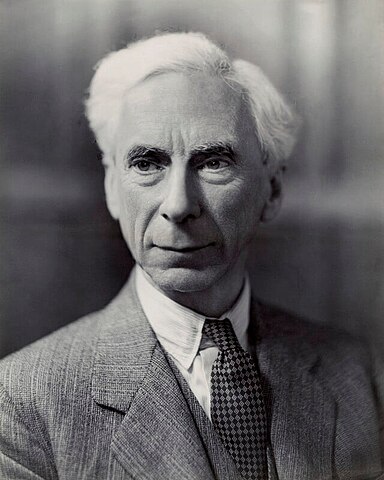
A revolutionary figure of 20th-century philosophy, Russell helped establish modern logic and analytic philosophy. His monumental Principia Mathematica reshaped the foundations of mathematics. Beyond academia, he was a passionate advocate for peace and human rights, making him both a philosophical and moral force.
14. Jean-Jacques Rousseau
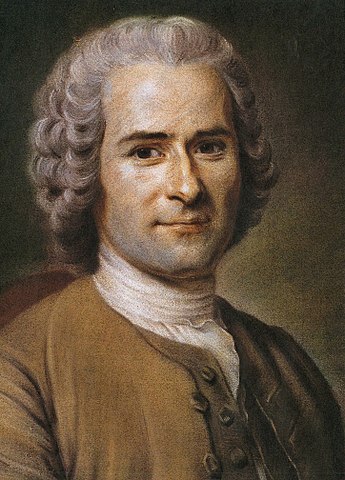
An Enlightenment thinker who boldly redefined human freedom and equality. His The Social Contract provided the intellectual backbone of modern democracy, while Émile revolutionized educational theory. Rousseau’s ideas remain central to political and social philosophy.
13. Søren Kierkegaard
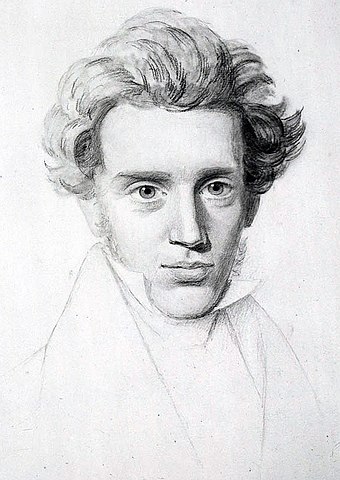
Often called the “father of existentialism,” Kierkegaard explored individuality, anxiety, and choice with rare psychological precision. His thought later inspired existentialists like Heidegger and Sartre, shaping modern understandings of selfhood and authenticity.
12. Baruch de Spinoza
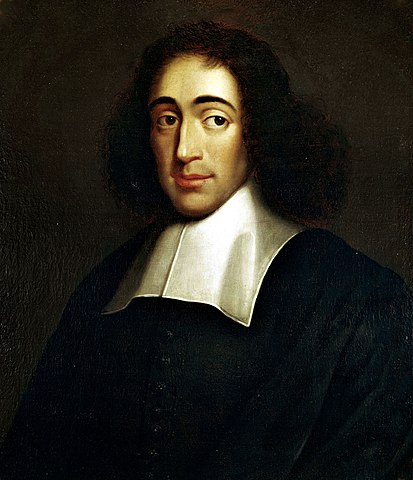
A radical rationalist who equated God with nature, Spinoza offered a geometric, systematic explanation of the universe in his masterpiece Ethics. His pantheistic worldview and moral philosophy continue to inspire debates in metaphysics, ethics, and religious studies.
11. Socrates
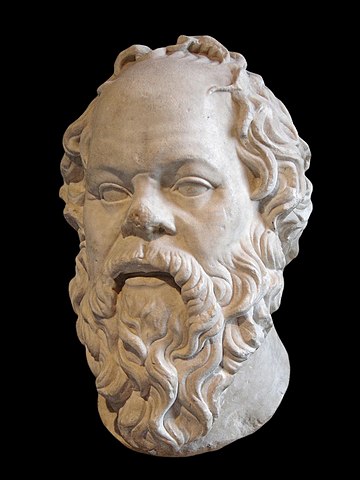
The foundational figure of Western philosophy. Although he left no written works, Socrates developed the method of dialectical questioning and the concept of recognizing one’s own ignorance. His pursuit of ethical truth set the stage for all subsequent Western thought.
10. Thomas Aquinas
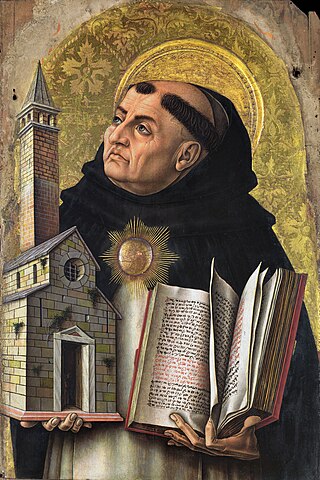
The towering thinker of medieval scholasticism. Aquinas synthesized Christian theology with Aristotelian philosophy, constructing an intellectual system in which reason and faith harmoniously coexist. His influence endures in theology, ethics, and political thought.
9. Confucius
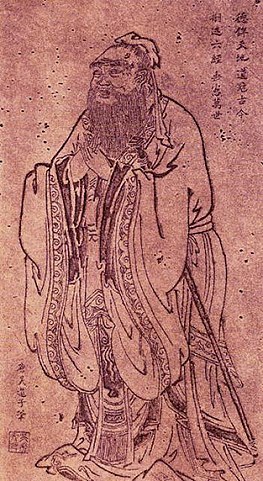
The philosopher who shaped East Asian civilization more profoundly than perhaps any other thinker shaped any culture. His teachings on virtue, ritual, and humaneness (ren) became the moral and social foundation of Chinese and East Asian societies for over two millennia.
8. René Descartes
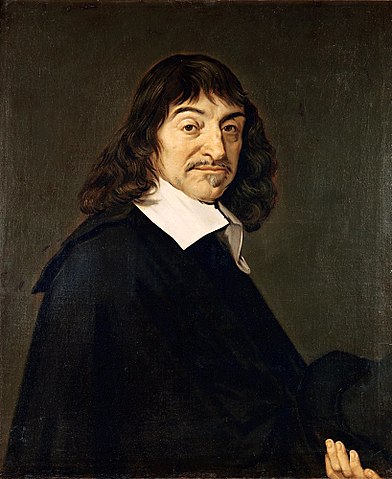
Famed for the declaration “I think, therefore I am,” Descartes laid the cornerstone of modern philosophy. A pioneer of rationalism and the creator of analytic geometry, he bridged mathematics, science, and metaphysics in ways that sparked the Scientific Revolution.
7. John Locke
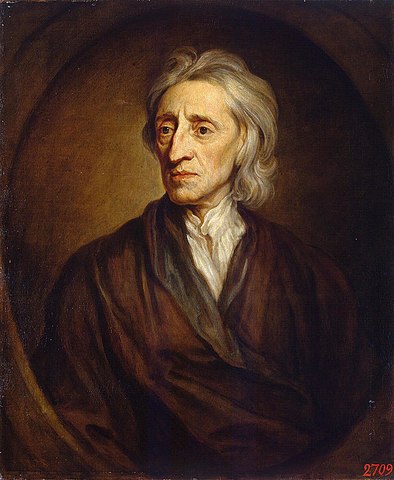
The father of empiricism and a principal architect of modern liberalism. Locke’s Two Treatises of Government profoundly influenced democratic theory and the American Revolution. His views on tolerance, property, and government remain central to political philosophy.
6. David Hume
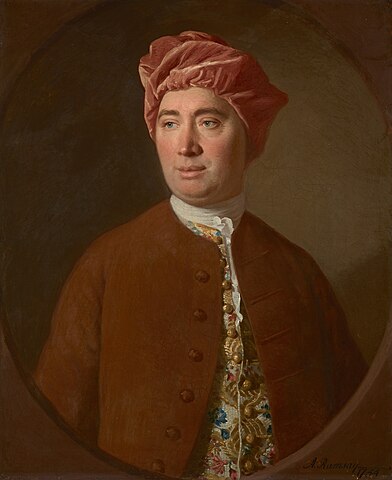
A brilliant skeptic who pushed empiricism to its limits. Hume argued that human knowledge is rooted not in certainty but in habitual experience. His ideas so transformed philosophy that Kant famously said Hume had “awakened [him] from his dogmatic slumber.”
5. Friedrich Nietzsche
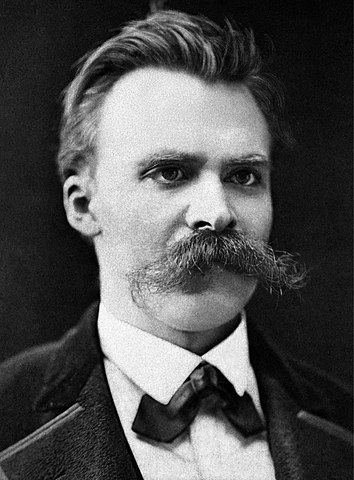
The provocative iconoclast whose declaration “God is dead” challenged Western morality at its core. Nietzsche championed human creativity, strength, and self-overcoming. His influence extends far beyond philosophy into literature, psychology, and contemporary culture.
4. Georg Wilhelm Friedrich Hegel
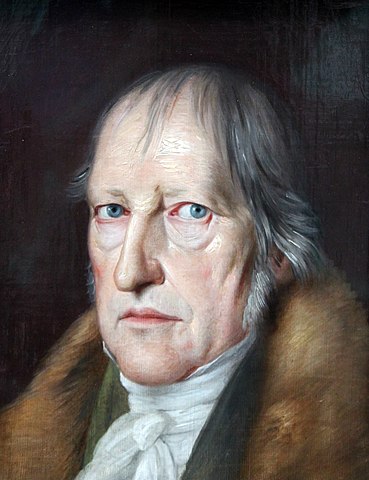
A systematic philosopher of staggering ambition, Hegel proposed that history progresses through dialectical development toward greater freedom. His thought shaped political theory, theology, and social science, leaving a deep imprint on Marxism and modern philosophy.
3. Immanuel Kant
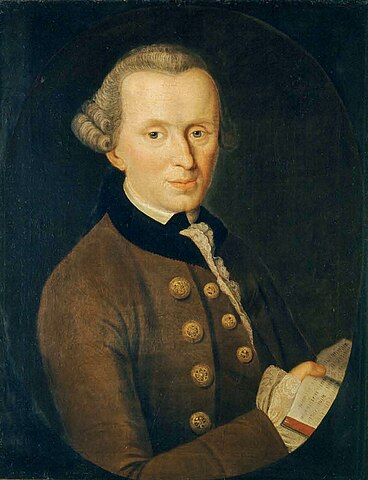
The architect of modern philosophy. In Critique of Pure Reason, Kant redefined the relationship between mind and world, laying the foundation for contemporary epistemology and ethics. His impact on nearly every branch of philosophy is immeasurable.
2. Plato
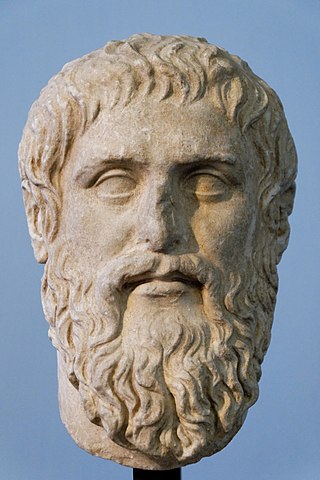
One of the most influential thinkers in human history. Plato’s theory of Forms, political philosophy, and educational ideas shaped Western thought from antiquity to today. His dialogues remain essential texts in philosophy, literature, and political theory.
1. Aristotle
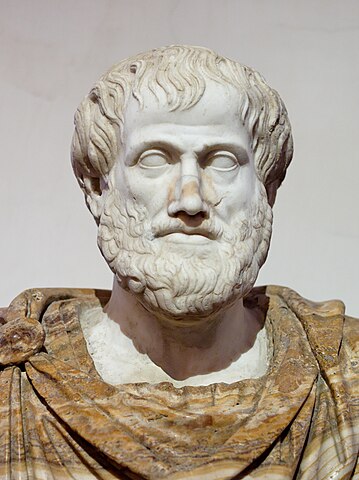
A universal scholar and perhaps the greatest intellectual in history. Aristotle systematized logic, ethics, metaphysics, biology, rhetoric, and politics—effectively creating entire disciplines. His works became the cornerstone of Western learning and influenced science for centuries. Few thinkers have shaped human knowledge as profoundly.
Conclusion
These thinkers were far more than abstract theorists. They were architects of human understanding, builders of the moral, political, and scientific frameworks that continue to define our world. Their insights have traveled across millennia, challenging each generation to rethink what it means to live wisely, ethically, and freely.
If you find yourself wrestling with deep questions today, consider turning to the words of these extraordinary philosophers. Their ideas may illuminate your path and open new horizons in your own journey of reflection.