Top 15 World-Renowned Genius Economists
Economics, often described as the science of human choice, influences everything from everyday decisions to national policy and global financial systems. Behind its evolution stand visionary thinkers whose ideas have shaped the modern world. This feature presents a ranking of the world’s most renowned economists—evaluated by historical impact, theoretical innovation, and relevance to contemporary society—counting down from 15 to 1. Their intellectual legacies continue to illuminate how our world works.
15. Léon Walras
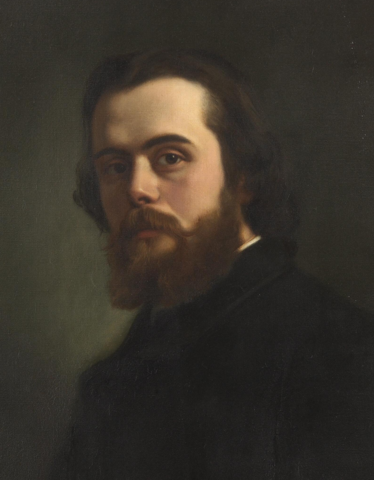
A pioneer of mathematical economics, Walras developed general equilibrium theory, explaining how multiple markets can reach equilibrium simultaneously. His rigorous framework laid the foundation for modern microeconomic and mathematical analysis.
14. Thorstein Veblen
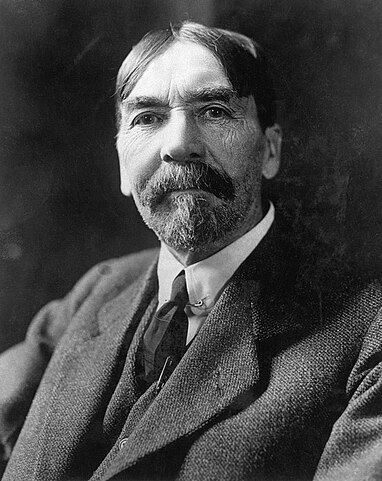
A central figure in institutional economics, Veblen introduced the concept of “conspicuous consumption,” highlighting the social and cultural drivers behind consumer behavior. His critiques of capitalism remain influential in sociology and economics.
13. Alfred Marshall
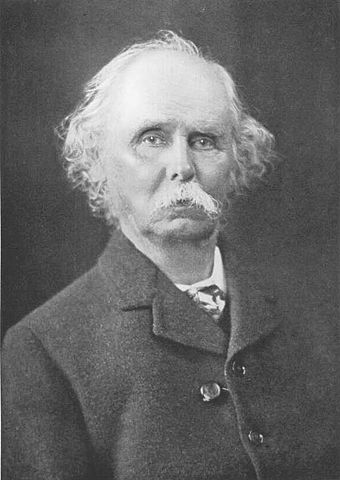
Marshall systematized core microeconomic concepts such as supply and demand, price elasticity, and consumer surplus. His seminal book Principles of Economics served as the standard economic text for generations.
12. John Stuart Mill
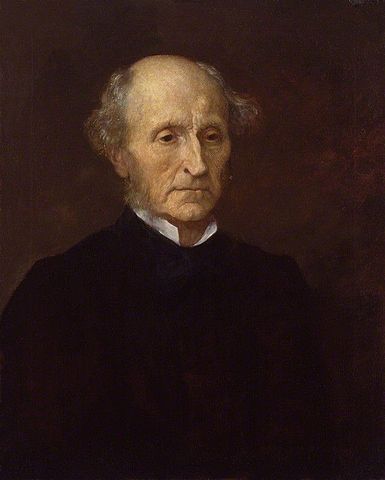
A philosopher-economist who completed the framework of classical economics, Mill also championed individual liberty and progressive social reforms. His insights bridged economics, political theory, and ethics, shaping modern liberal thought.
11. Friedrich Hayek
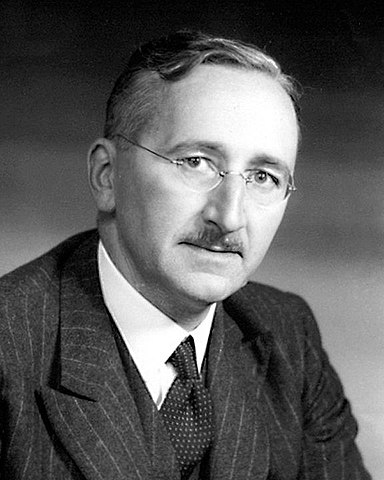
A leading figure in classical liberalism, Hayek emphasized the information-signaling role of prices and warned against the dangers of central planning. His works profoundly influenced postwar economic policy and political philosophy.
10. Karl Marx
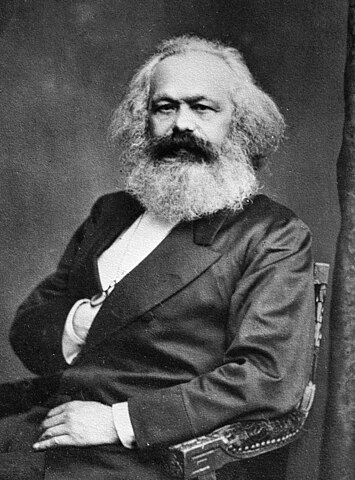
Through Das Kapital, Marx presented a deep critique of capitalist economies, addressing class struggle, exploitation, and systemic instability. His theories influenced not only economics but political movements and global history.
9. David Ricardo
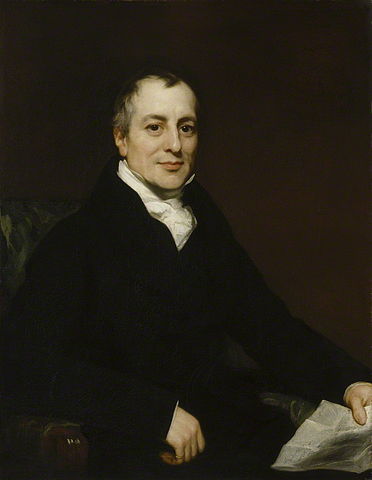
Ricardo formulated the law of comparative advantage, establishing the foundation of modern international trade theory. His clear analytical approach remains a cornerstone of global economic policy.
8. Thomas Piketty
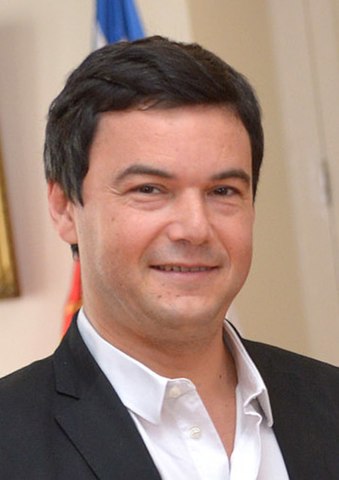
Known for his groundbreaking work Capital in the Twenty-First Century, Piketty analyzed long-term data to show how wealth inequality expands under the dynamic r > g. His research revitalized global debate on inequality and taxation.
7. Paul Krugman
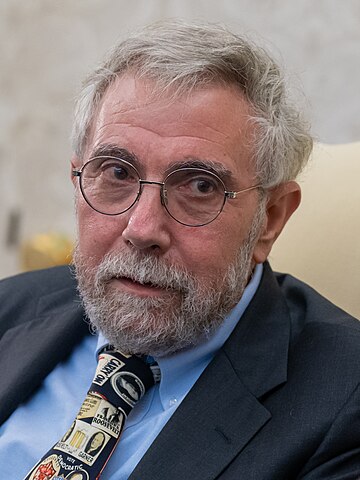
A Nobel laureate recognized for new trade theory and new economic geography, Krugman blends theoretical sophistication with accessible commentary. He is also a major public intellectual shaping economic discourse.
6. Joseph E. Stiglitz
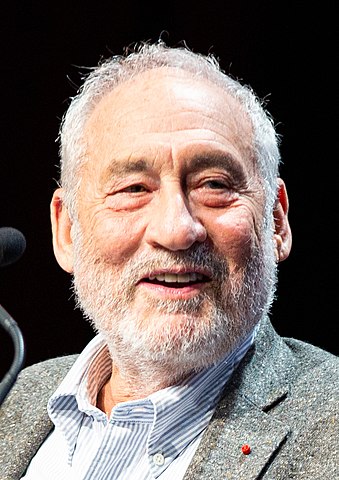
Stiglitz revolutionized economics by showing how information asymmetry leads to market failures. His research challenged the notion of perfectly efficient markets and influenced global financial and development policies.
5. Amartya Sen
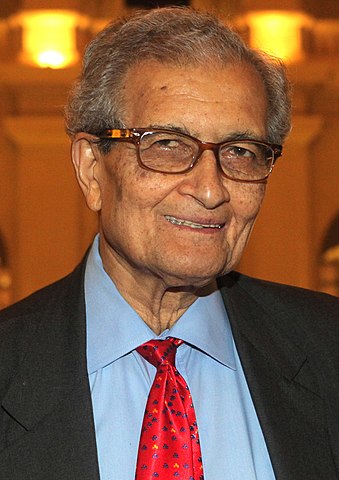
Sen transformed welfare economics by proposing the capability approach, emphasizing human freedoms and well-being beyond income measures. His work has reshaped debates on poverty, justice, and development policy.
4. Paul A. Samuelson
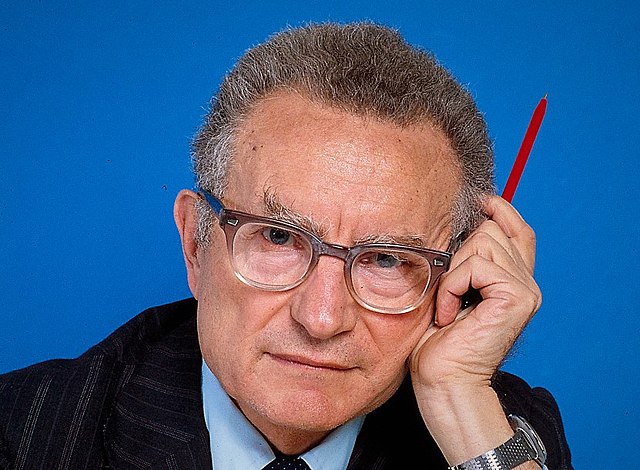
The first American to win the Nobel Prize in Economics, Samuelson helped transform the field into a mathematically rigorous discipline. His textbook Economics educated millions and defined modern economic pedagogy.
3. Milton Friedman
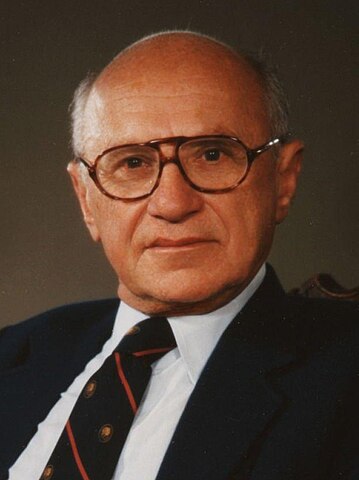
A leading advocate of free-market economics, Friedman introduced monetarism, arguing that inflation is driven by money supply. His ideas reshaped central banking and inspired policy shifts worldwide in the late 20th century.
2. John Maynard Keynes
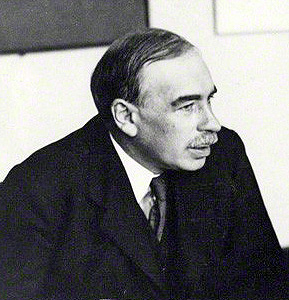
Keynes revolutionized macroeconomics during the Great Depression by demonstrating the importance of aggregate demand and advocating active government intervention. Keynesian economics remains fundamental to modern fiscal policy.
1. Adam Smith
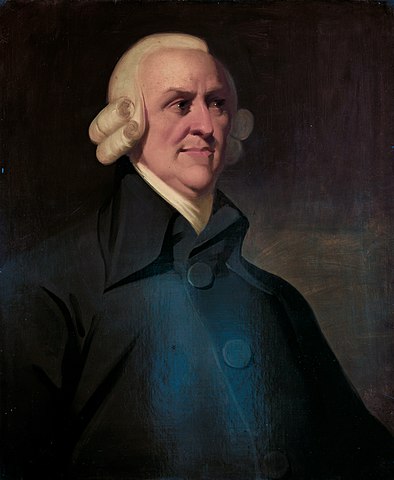
Widely regarded as the father of modern economics, Smith’s The Wealth of Nations introduced the concept of the “invisible hand,” explaining how self-interest can lead to collective prosperity through market mechanisms. His ideas remain universally influential.
Conclusion
The economists featured in this ranking did far more than advance abstract theories—they shaped social systems, policy frameworks, and global economic structures. Though their ideas emerged in different eras, their insights continue to guide contemporary debates on markets, justice, growth, and human behavior. Their work reminds us that economics is not merely about numbers or charts, but a powerful lens for understanding society itself.