The World’s Top 10 Fighter Jets
Fighter jets represent the pinnacle of a nation’s military power and aerospace technology. Their value is determined not by a single factor, but by a combination of air combat performance, stealth capability, avionics, electronic warfare, and network integration. In this article, we present a detailed ranking of the world’s leading fighter jets—from No. 10 to No. 1—based on combat capability, technological sophistication, and strategic relevance.
10. MiG-29 Fulcrum
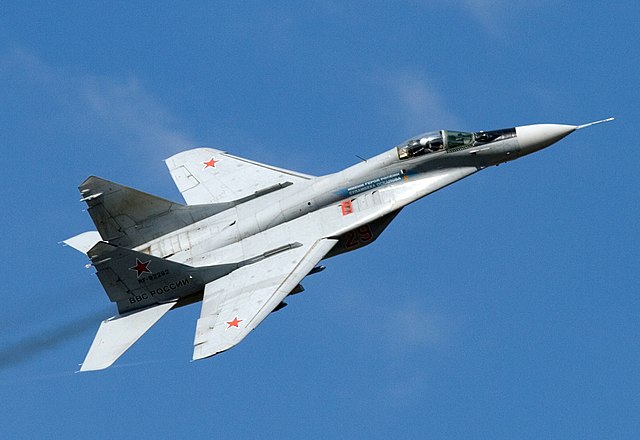
Developed during the late Cold War, the MiG-29 is a highly agile air-superiority fighter originally designed by the Soviet Union. It excels in close-range dogfights and short-field operations. While its avionics and stealth fall behind modern standards, upgraded variants remain in active service worldwide.
9. Chengdu J-10
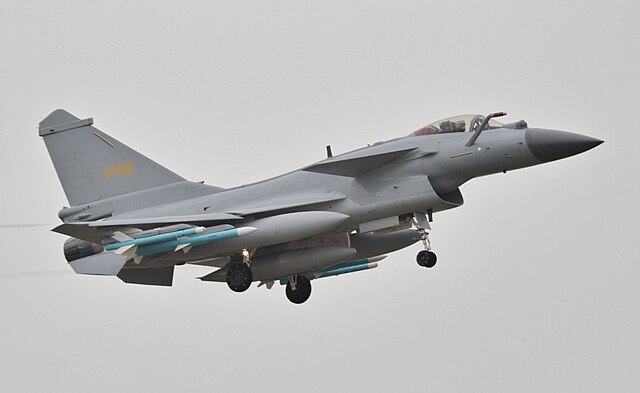
China’s first domestically developed multirole fighter, the J-10 features a delta wing–canard configuration that provides excellent maneuverability. Recent upgrades to radar and weapons systems have significantly improved its combat effectiveness, making it a credible regional force.
8. F-16 Fighting Falcon
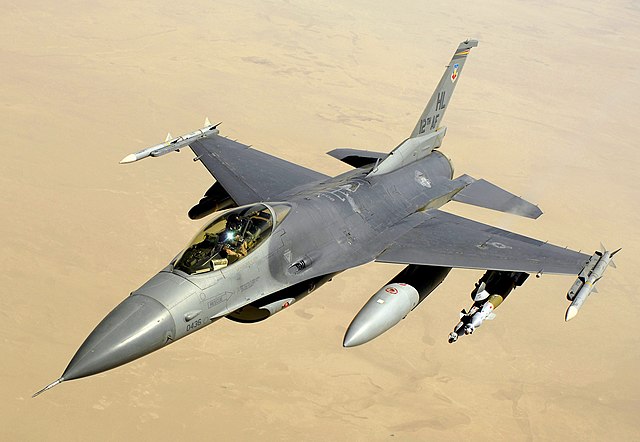
Often described as the ultimate “workhorse” fighter, the F-16 combines agility, affordability, and adaptability. Continuous modernization—especially in radar and electronic warfare—has kept it relevant for over four decades, with many air forces still relying on it as a backbone platform.
7. Rafale
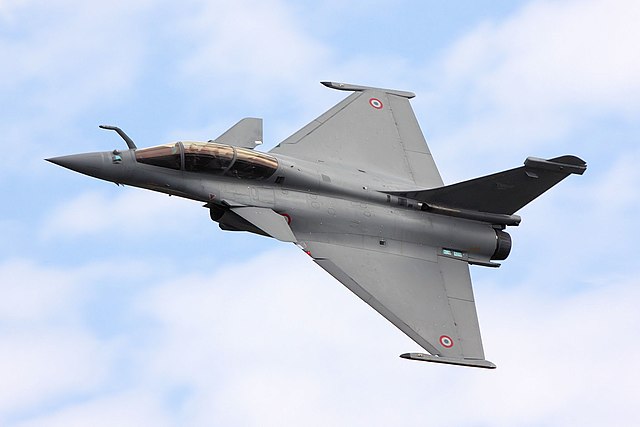
France’s premier multirole fighter is designed to perform air-to-air, air-to-ground, reconnaissance, and even nuclear strike missions. Its advanced sensor fusion and proven combat record make the Rafale one of the most versatile and combat-ready aircraft in service today.
6. Eurofighter Typhoon
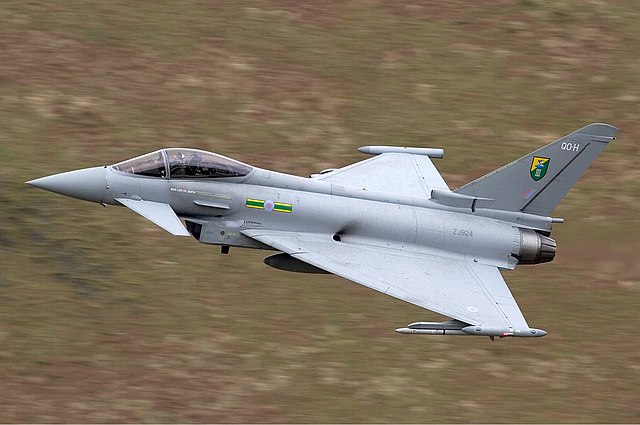
Developed by a European consortium, the Typhoon is a high-performance air-superiority fighter known for its exceptional speed, climb rate, and high-altitude performance. Ongoing upgrades have expanded its strike capabilities, creating a well-balanced and formidable platform.
5. F/A-18E/F Super Hornet
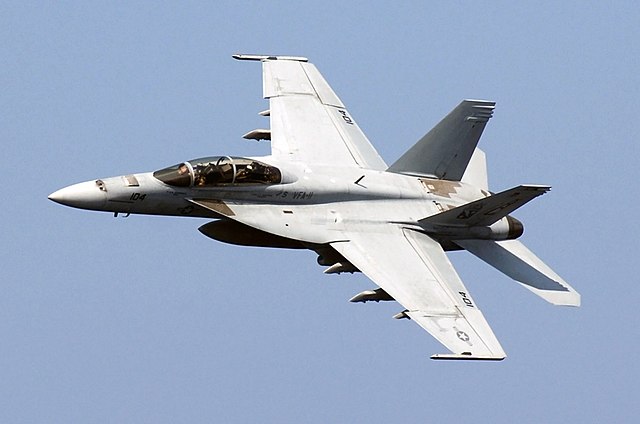
Designed for carrier operations, the Super Hornet prioritizes reliability and versatility. It performs effectively across air combat, strike missions, and electronic warfare—especially when operating as part of a coordinated carrier air wing. Its real-world usability is one of its greatest strengths.
4. Sukhoi Su-35
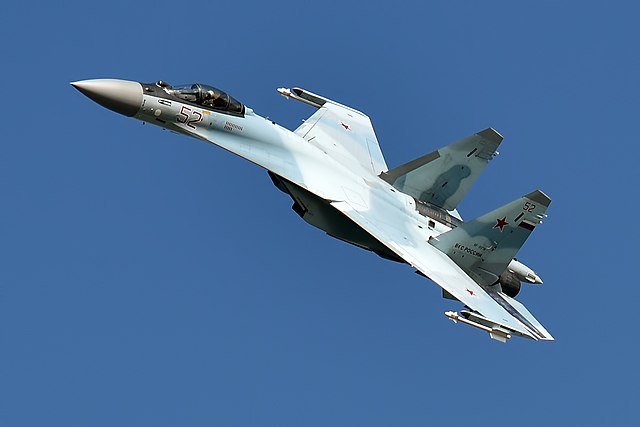
An evolution of Russia’s Flanker series, the Su-35 is renowned for its extreme maneuverability enabled by thrust-vectoring engines. With long range and powerful sensors, it remains a serious threat in air combat, even though its stealth characteristics are limited.
3. J-20 Mighty Dragon
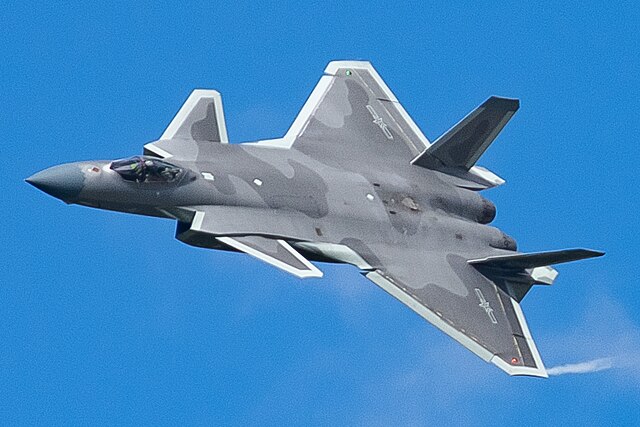
China’s first operational stealth fighter emphasizes long-range interception and information dominance. Designed for network-centric warfare, the J-20 combines low observability with advanced sensors. As operational experience grows, its strategic impact is expected to increase further.
2. F-35 Lightning II
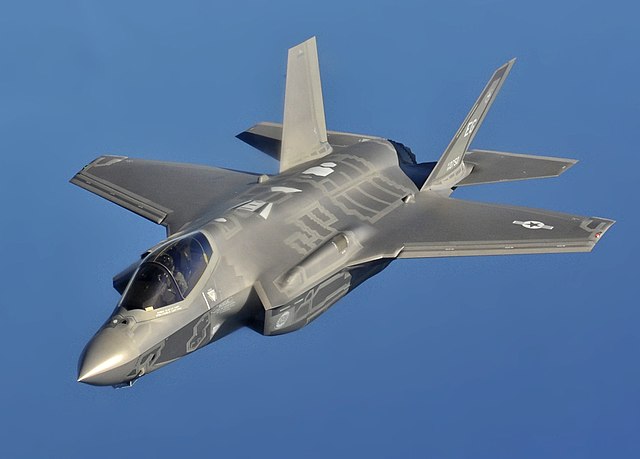
Often described as a “flying sensor node,” the F-35 excels in information gathering, data fusion, and networked combat. While not optimized purely for dogfighting, its ability to dominate the battlespace through shared situational awareness makes it unmatched in coalition warfare.
1. F-22 Raptor
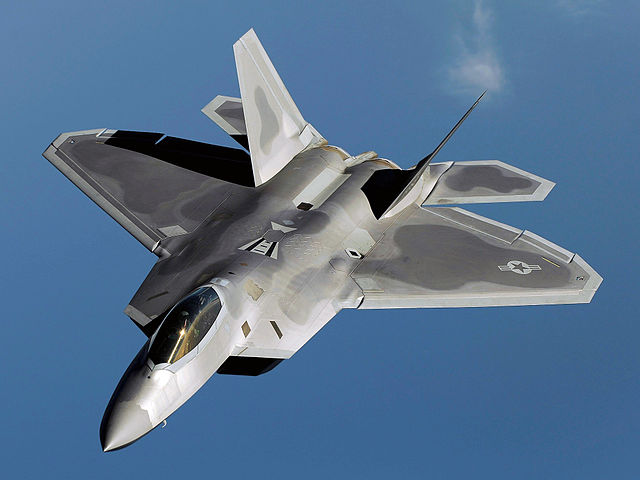
The undisputed king of air superiority. The F-22 combines stealth, supercruise, extreme agility, and advanced avionics into a single, lethal platform. Despite the end of production, no other fighter has yet surpassed its dominance in air-to-air combat.
Conclusion
From No. 10 to No. 1, this ranking highlights a clear evolution in fighter design philosophy:
- Older generations emphasize maneuverability and robustness,
- Transitional designs focus on multirole flexibility and electronic warfare,
- Modern fighters prioritize stealth, sensors, and network integration.
In today’s battlespace, raw performance alone no longer defines superiority. How a fighter integrates into a broader system of allies, data networks, and unmanned assets is increasingly decisive. As AI assistance and drone cooperation advance, future rankings may look very different from today’s.