The 15 Most Influential Genius Scientists in History
Human history has been shaped by countless brilliant minds who dared to question the unknown.
These scientists uncovered the laws of nature, revolutionized society, and often overturned the dominant beliefs of their time. Their contributions form the very foundation of today’s scientific civilization.
In this article, we present 15 of the most influential scientists in world history, ranked from 15 to 1. Each profile highlights their major achievements, the context of their work, and their lasting impact on modern science.
15. Antoine Lavoisier
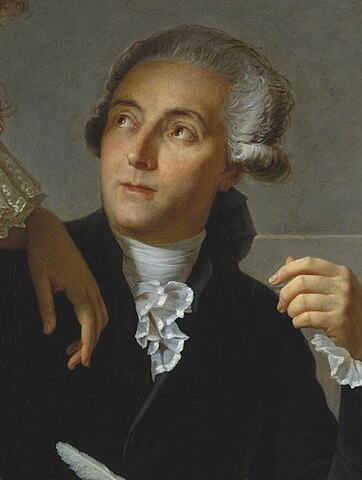
Field: Chemistry
Known as the “Father of Modern Chemistry,” Lavoisier established the law of conservation of mass and identified oxygen’s role in combustion. His reforms to chemical nomenclature and methodology paved the way for modern chemical science.
14. James Clerk Maxwell
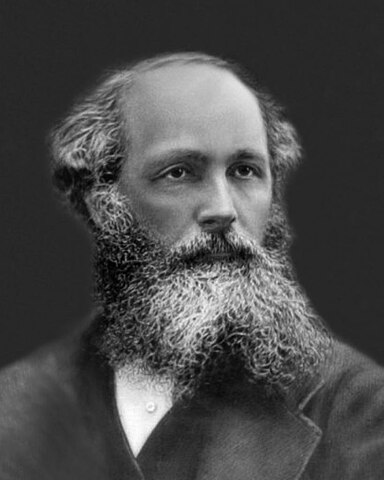
Field: Physics
Maxwell unified electricity, magnetism, and light through his famous Maxwell equations. His work laid the foundation for modern physics, influencing everything from telecommunications to quantum theory.
13. Dmitri Mendeleev
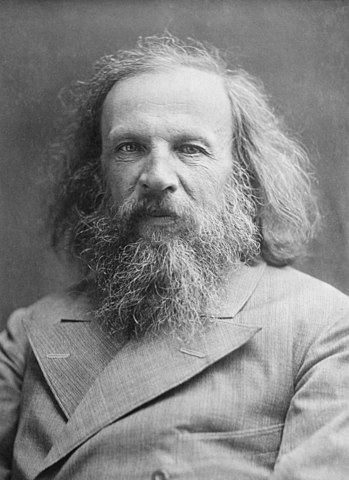
Field: Chemistry
Creator of the periodic table, Mendeleev predicted the existence and properties of several yet-undiscovered elements. His periodic law became the organizing principle of chemistry.
12. Alan Turing
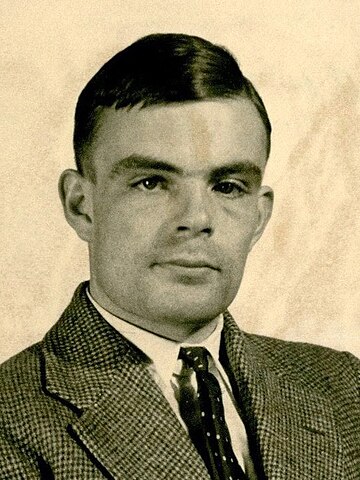
Field: Mathematics / Computer Science
Turing proposed the concept of the “Turing machine,” forming the basis of computer science. His work in breaking the Enigma code during World War II is credited with shortening the war, and his theories underpin modern artificial intelligence.
11. Michael Faraday
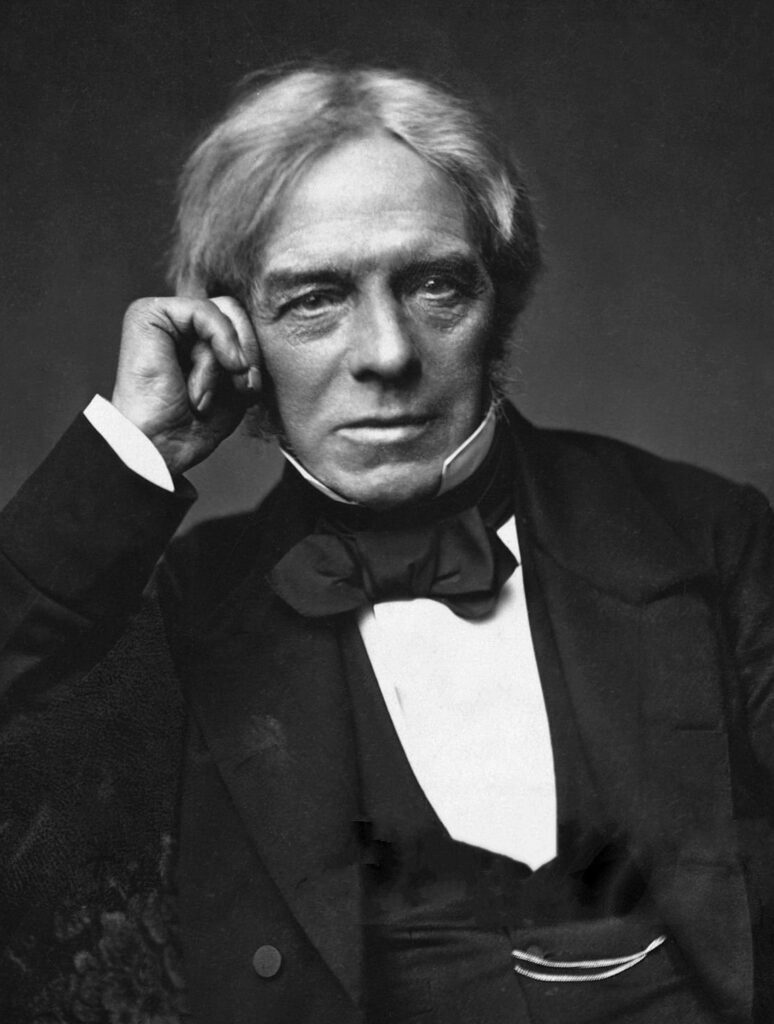
Field: Physics / Chemistry
Faraday discovered electromagnetic induction and laid the groundwork for electric motors and generators. His experimentally driven discoveries revolutionized our understanding and use of electricity.
10. Alexander Fleming
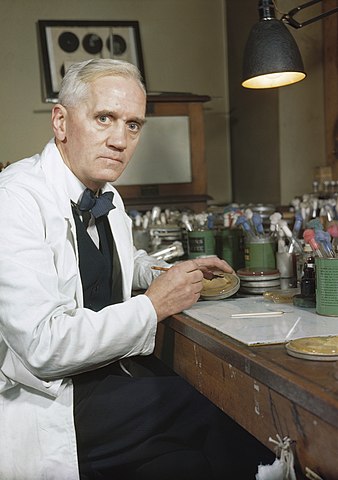
Field: Medicine / Microbiology
Fleming discovered the world’s first antibiotic, penicillin, transforming medical treatment and saving millions of lives. His breakthrough marked the dawn of the antibiotic era.
9. Gregor Johann Mendel
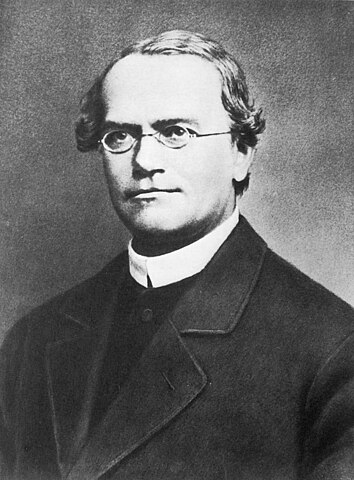
Field: Genetics
Through meticulous experiments with pea plants, Mendel uncovered the fundamental laws of heredity. Although unrecognized in his lifetime, he is now hailed as the founder of modern genetics.
8. Richard Feynman
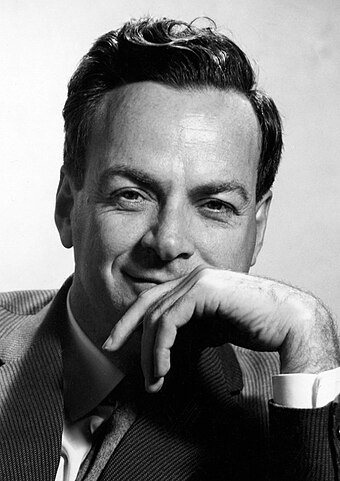
Field: Physics
A key contributor to quantum electrodynamics (QED), Feynman introduced the famous Feynman diagrams that reshaped particle physics. His charisma and insight also made him a beloved popularizer of science.
7. Stephen Hawking

Field: Theoretical Physics / Cosmology
Hawking proposed the existence of “Hawking radiation,” showing that black holes are not entirely black. His life’s work, achieved while battling ALS, symbolized both scientific brilliance and human resilience.
6. Marie Curie
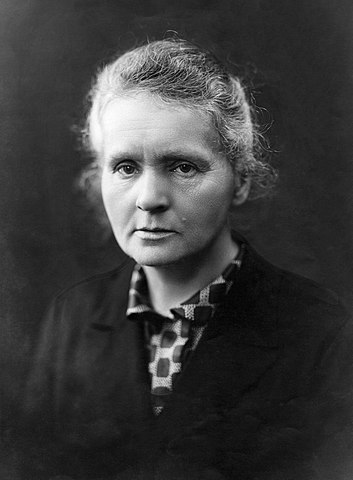
Field: Physics / Chemistry
A pioneer of radioactivity research, Curie discovered radium and polonium and remains the only woman to win Nobel Prizes in two different scientific fields. Her legacy continues to influence modern physics and medicine.
5. Louis Pasteur
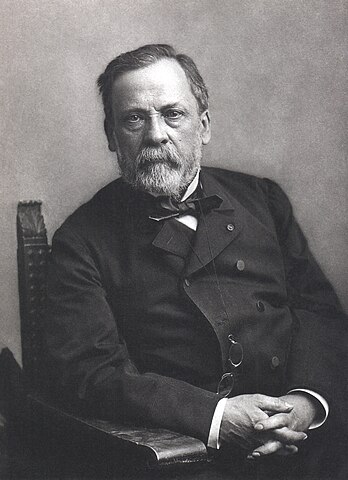
Field: Microbiology
Pasteur developed vaccines, sterilization techniques, and revealed the mechanism of fermentation. His discoveries laid the foundation of public health and modern microbiology, and he founded the Pasteur Institute.
4. Galileo Galilei
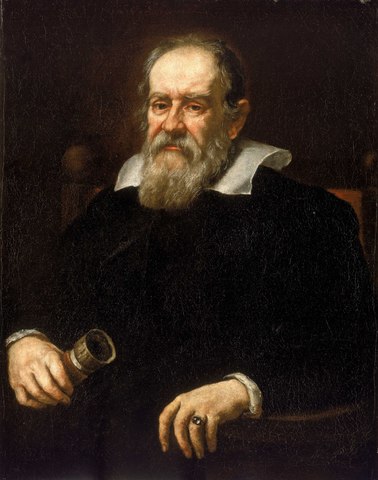
Field: Physics / Astronomy
Often called the “Father of Modern Science,” Galileo used telescopic observations—such as the moons of Jupiter—to support heliocentrism. His studies of motion formed the groundwork for Newtonian mechanics.
3. Charles Darwin
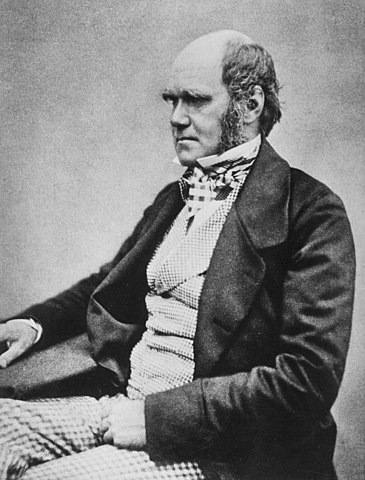
Field: Biology
Darwin’s theory of evolution by natural selection, presented in On the Origin of Species, reshaped biology and changed how humanity understands life itself.
2. Albert Einstein
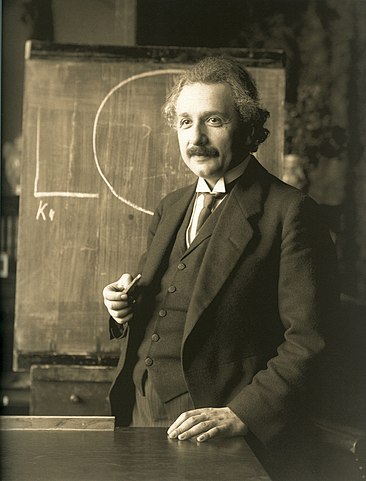
Field: Physics
With the special and general theories of relativity, Einstein revolutionized concepts of space, time, and gravity. His formula E = mc² is one of the most famous equations in history, earning him recognition as the greatest scientist of the 20th century.
1. Isaac Newton
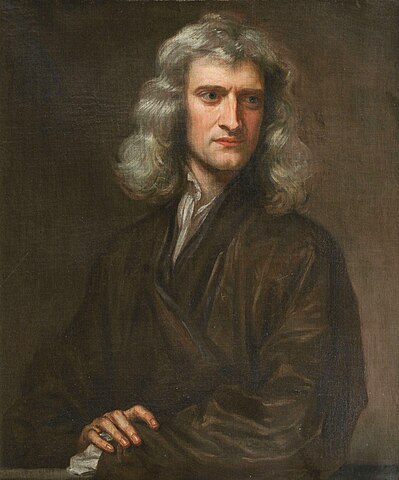
Field: Mathematics / Physics
Newton completed the Scientific Revolution by formulating the laws of motion, universal gravitation, and the foundations of calculus.
His work provided a unified mathematical description of nature and formed the bedrock of modern science.
He is widely regarded as a singular genius whose impact spans multiple scientific fields.
Conclusion
The 15 scientists featured in this ranking each transformed humanity’s understanding of the world.
Their discoveries—spanning matter, life, electricity, medicine, and the cosmos—continue to shape our technologies, healthcare, and scientific worldview today.
The history of science is, in essence, the story of these brilliant minds who expanded the boundaries of human knowledge and opened the door to the future.