Top 10 Wars That Shaped the Modern World
Human history is, regrettably, also a history of war. Wars have caused immense human suffering, yet they have also reshaped international orders, political systems, technology, and values. In this article, we rank the wars that had the greatest impact on the world—from No. 10 to No. 1—based on how profoundly they changed global history. By examining each conflict, we can better understand how the modern world came to be.
10. Russo-Japanese War
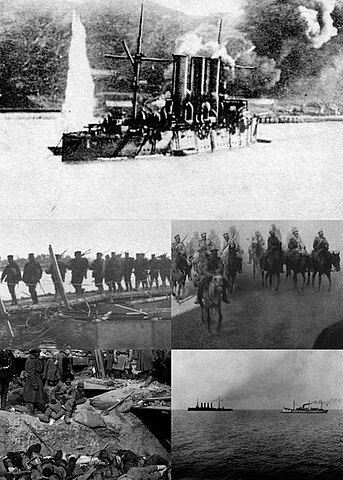
Fought between 1904 and 1905, the Russo-Japanese War holds a unique place in modern history. Japan’s victory over Imperial Russia marked the first time an Asian power defeated a major European nation in a modern war.
This outcome shattered the myth of Western invincibility and inspired independence and nationalist movements across Asia and Africa, altering the balance of power in international politics.
9. Thirty Years’ War
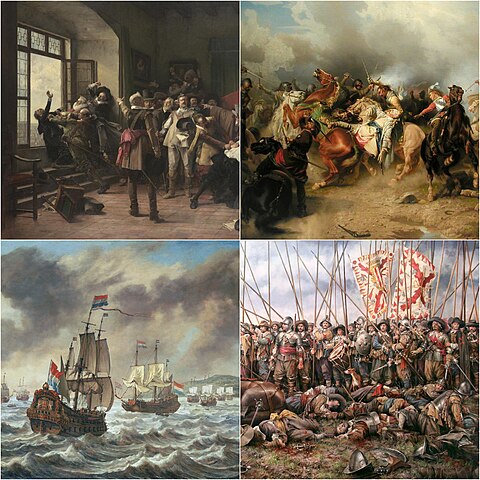
The Thirty Years’ War (1618–1648) began as a religious conflict between Catholics and Protestants but gradually evolved into a broader struggle for dominance among European powers.
Its conclusion led to the Peace of Westphalia, which established the principle of state sovereignty. This framework became the foundation of the modern international system.
8. American Civil War
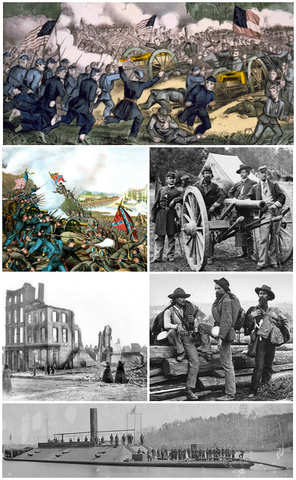
The American Civil War (1861–1865) was a defining internal conflict over national unity and slavery.
Its outcome preserved the United States as a single nation and led to the abolition of slavery. The war accelerated industrialization and strengthened federal authority, influencing global discussions on human rights and state power.
7. American Revolutionary War
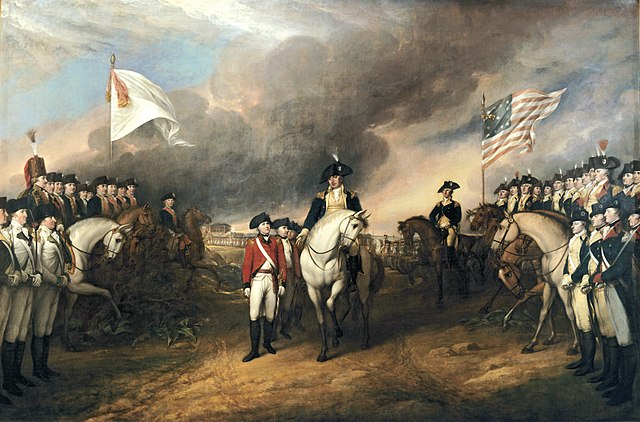
The American Revolutionary War in the late 18th century was the first successful large-scale colonial independence movement.
Its ideals—popular sovereignty, republican government, and constitutional rule—deeply influenced later revolutions, especially in Europe and Latin America, and helped spread modern democratic thought worldwide.
6. French Revolutionary Wars
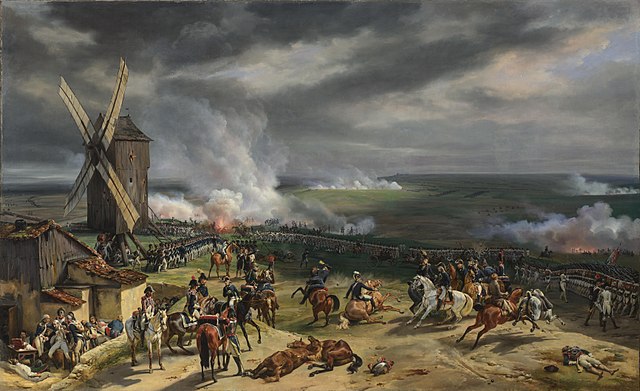
The French Revolutionary Wars extended the ideals of the French Revolution beyond France’s borders.
They undermined monarchies rooted in divine right and promoted concepts such as nationalism and mass conscription. These changes fundamentally reshaped European politics and the structure of modern states.
5. The Crusades
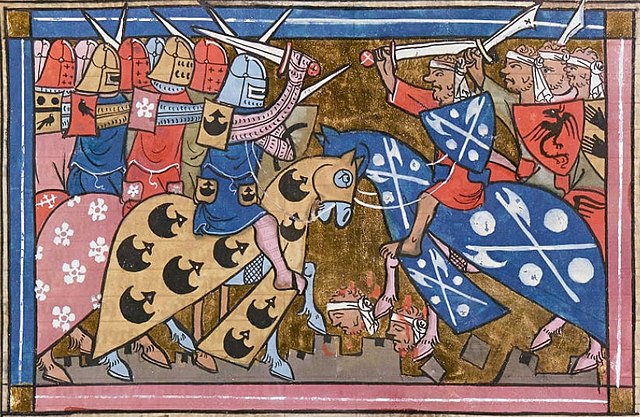
The Crusades were a series of medieval wars between Christian and Muslim powers over control of the Holy Land.
While their military success was limited, the Crusades intensified contact between East and West. Trade expanded, knowledge circulated, and cultural exchange helped lay the groundwork for the Renaissance and the Age of Exploration.
4. Mongol Conquests
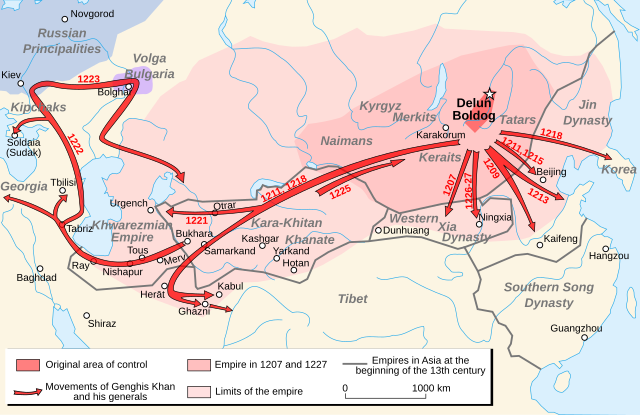
The Mongol conquests of the 13th century created the largest contiguous land empire in history.
Though devastating in their destruction, they also unified vast territories, secured trade routes such as the Silk Road, and enabled unprecedented exchange of goods, ideas, and technologies across Eurasia.
3. Napoleonic Wars
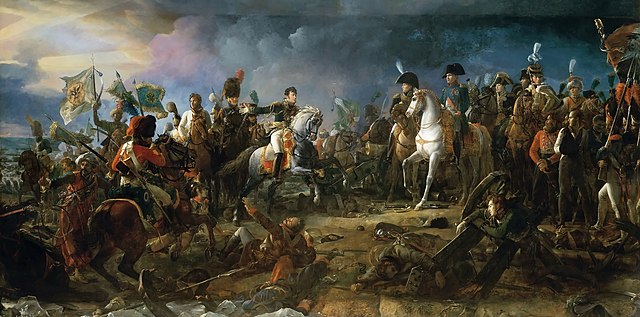
The Napoleonic Wars engulfed much of Europe and defined the nature of modern warfare.
Although the postwar Congress of Vienna sought stability, the wars spread nationalist ideas that later fueled revolutions and movements for unification throughout the 19th century.
2. World War I
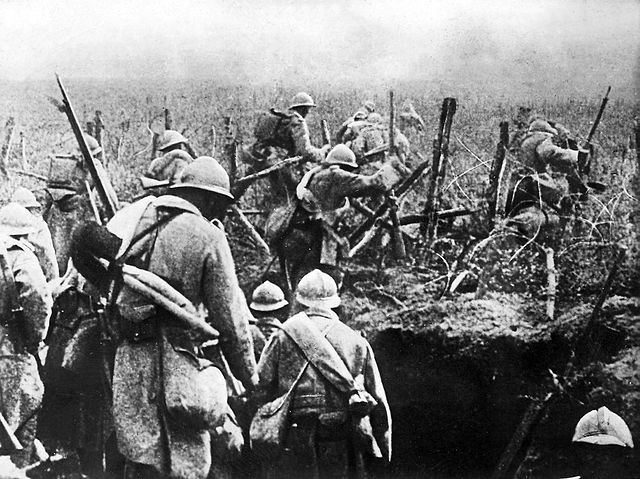
World War I was the first truly global total war, mobilizing entire societies for the conflict.
It led to the collapse of empires, the creation of new states, and unresolved ethnic tensions. These consequences destabilized international relations and set the stage for an even more devastating conflict.
1. World War II
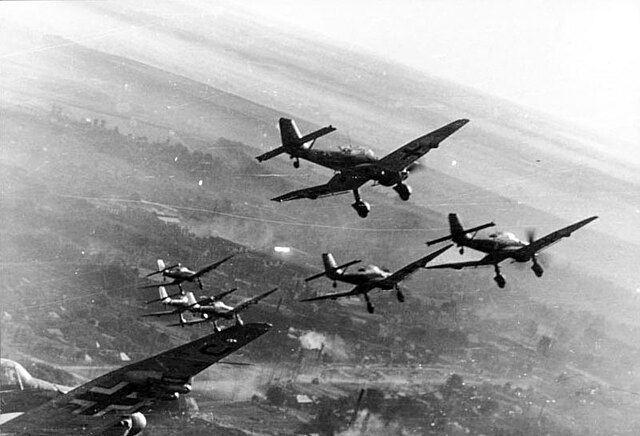
World War II was the largest and most destructive war in human history.
Its aftermath shaped nearly every aspect of the contemporary world: the establishment of the United Nations, the emergence of the Cold War, rapid decolonization, and the dawn of the nuclear age. No other conflict has so profoundly influenced modern global politics and society.
Conclusion
The wars ranked here were not merely military conflicts; they transformed political systems, international orders, economies, and ideas.
While war represents one of humanity’s greatest tragedies, understanding its history is essential. By learning how past conflicts shaped our world, we gain crucial insight into how to prevent similar catastrophes in the future.