Top 10 International Conferences the World Is Watching
Global challenges such as international politics, economic stability, security, and climate change cannot be solved by any single country alone. This is why international conferences—where heads of state, ministers, leaders of international organizations, business executives, and civil society gather—play a decisive role in shaping the world. Statements and agreements made at these meetings often determine the direction of the international order and can dramatically influence the global economy and security environment. In this article, we present a detailed ranking of the most important international conferences that attract global attention, from No.10 to No.1.
10. WTO Ministerial Conference
The WTO Ministerial Conference is the highest decision-making body of the World Trade Organization. It focuses on global trade rules, including tariffs, subsidies, and dispute settlement mechanisms. While reaching consensus is often difficult, decisions made here have long-term consequences for national trade policies and the global trading system.
9. BRICS Summit
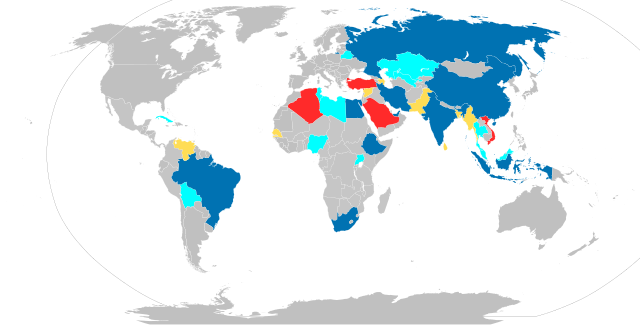
The BRICS Summit brings together leaders of major emerging economies—Brazil, Russia, India, China, and South Africa. It has gained prominence as a platform representing the perspective of the Global South, addressing issues such as development finance, economic cooperation, and geopolitics. The summit is increasingly seen as an alternative axis to the traditional, advanced-economy-led international order.
8. ASEAN Summit
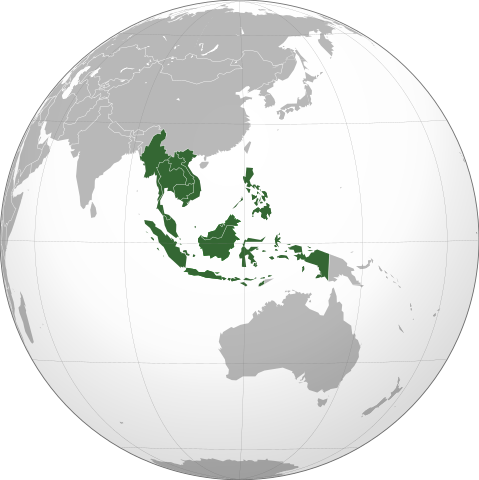
The ASEAN Summit is the central meeting of leaders from the Association of Southeast Asian Nations. It plays a crucial role in promoting political cooperation and economic integration in Southeast Asia. Key discussions include regional stability, economic partnerships, and sensitive security issues such as the South China Sea.
7. APEC Leaders’ Meeting
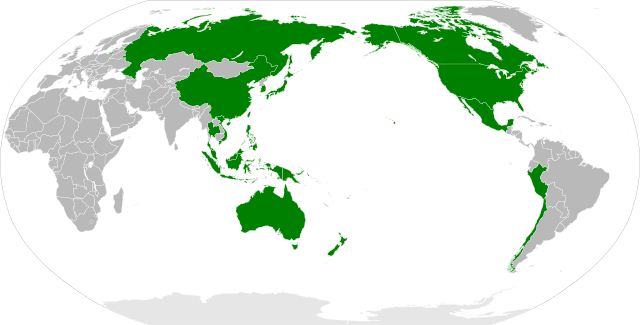
Hosted by Asia-Pacific Economic Cooperation, the APEC Leaders’ Meeting focuses on economic cooperation across the Asia-Pacific region. Although its agreements are non-binding, APEC is influential in setting the direction for free trade, supply chains, and the digital economy through consensus-based dialogue.
6. NATO Summit
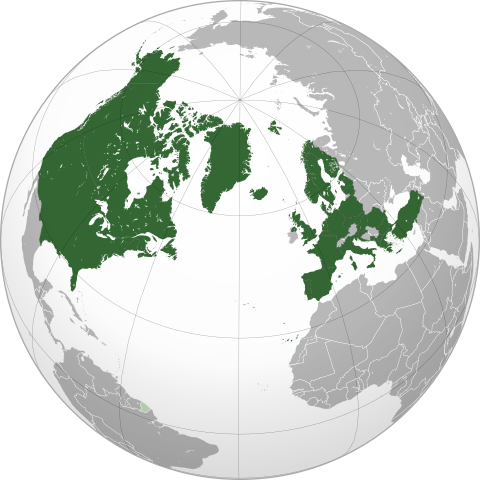
The NATO Summit is the highest-level meeting of the North Atlantic Treaty Organization. It is critically important in the field of security, addressing collective defense, military strategy, and alliance expansion. Decisions made at NATO summits have a direct and immediate impact on the global security landscape.
5. IMF–World Bank Annual Meetings
The Annual Meetings of the International Monetary Fund and the World Bank are central to global finance and development policy. Topics include debt sustainability, financial crisis response, poverty reduction, and support for developing economies, making these meetings vital for global economic stability.
4. G7 Summit
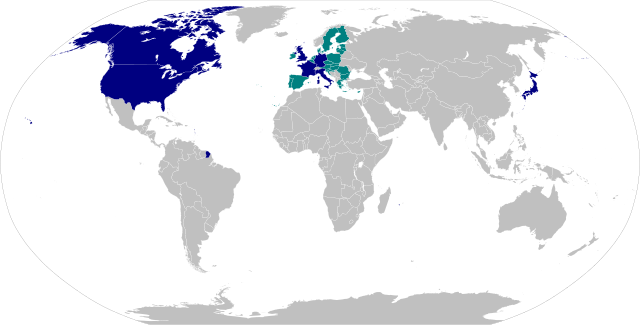
The G7 Summit brings together the leaders of seven major advanced economies. It serves as a forum for coordinating policies among countries that share common values. Discussions range from economic policy and security to climate change, and the summit is particularly influential for its strong political messaging to the international community.
3. World Economic Forum Annual Meeting (Davos)
Organized by the World Economic Forum in Davos, Switzerland, this annual meeting is unique in bringing together political leaders, business executives, academics, and civil society. Rather than producing formal agreements, its influence lies in informal dialogue, agenda-setting, and the creation of new global narratives.
2. G20 Summit
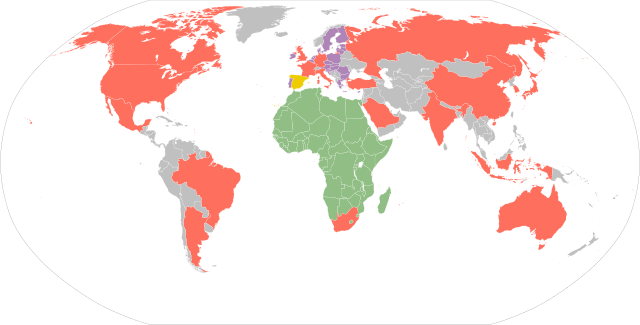
The G20 Summit includes both advanced and emerging economies, together accounting for the majority of global GDP. It is a core platform for managing the global economy, addressing issues such as financial stability, climate change, development, and inequality. Compared to smaller forums, the G20 is known for its practical and impactful outcomes.
1. United Nations General Assembly
The United Nations General Assembly, convened under the United Nations, is the largest and most inclusive international conference in the world. While its resolutions are generally non-binding, the General Assembly serves as the primary stage for world leaders to articulate their positions, shaping global public opinion and diplomatic agendas with unmatched influence.
Conclusion
This ranking highlights how different dimensions—economics, security, shared values, and inclusiveness—intersect across international conferences. From the universal platform of the UN General Assembly to the action-oriented frameworks of the G7 and G20, and the dialogue-driven environment of Davos, each forum plays a distinct yet complementary role. Understanding these international conferences is essential to understanding how today’s global order is shaped—and how it may evolve in the future.