Top 5 Missiles in the World
Missile technology sits at the core of modern military balance. Range, speed, accuracy, penetration capability, and deterrence value together define a weapon’s strategic weight. In this article, we present a global missile ranking from No. 5 to No. 1, based on overall military impact and technological significance, using publicly available information.
5. 9K720 (Iskander)
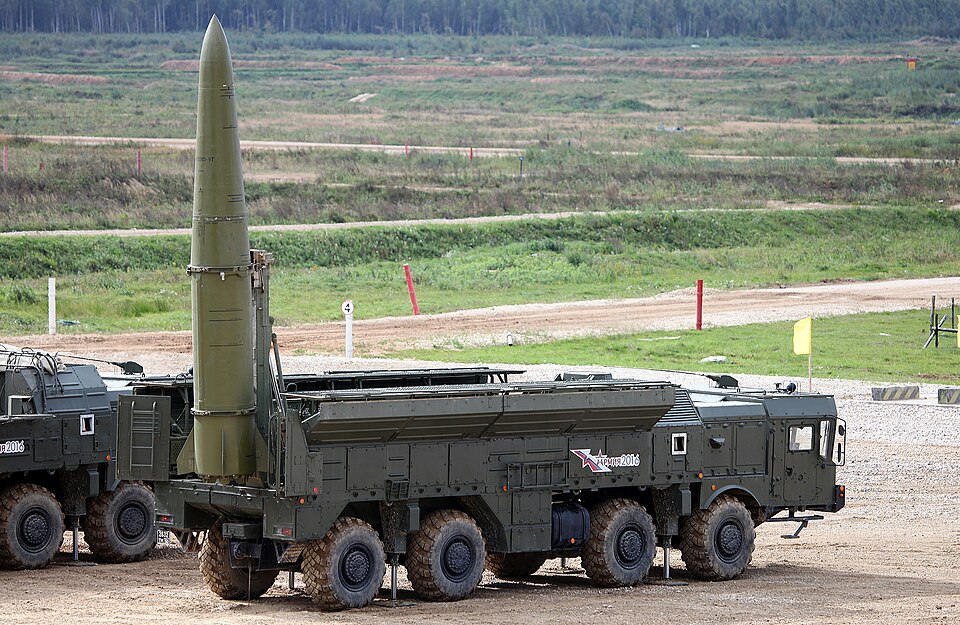
Russia’s short-range ballistic missile 9K720, commonly known as Iskander, is renowned for its precision and mobility.
- Assessment: Highly effective at the tactical level, with extensive operational use. It plays a strong role in regional deterrence and rapid strike missions.
- Range: Approximately 500 km
- Key features: Terminal evasive maneuvers and the use of decoys, making interception difficult
4. S-400
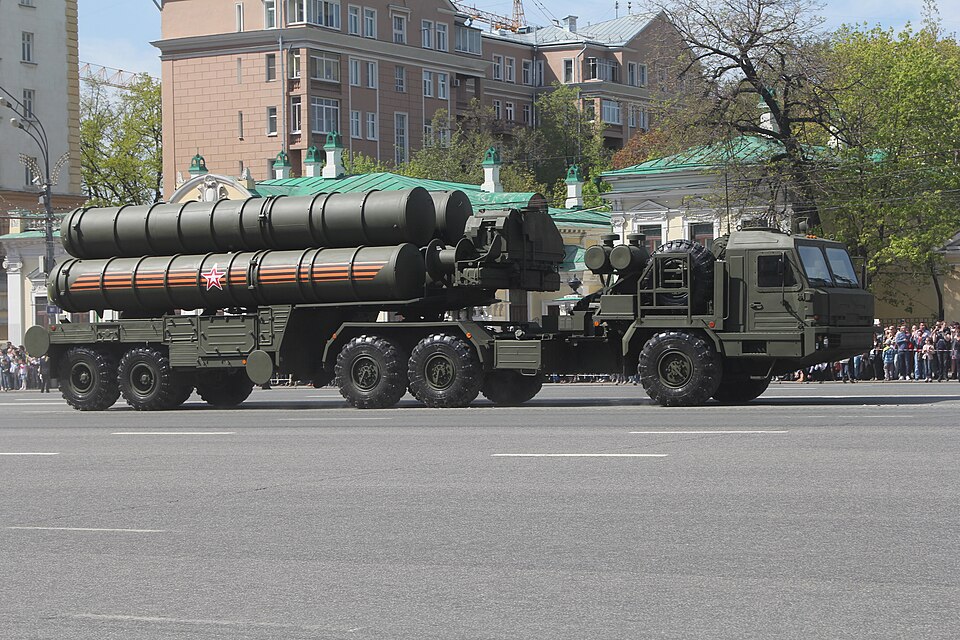
Strictly speaking, the S-400 is not an offensive missile but a long-range surface-to-air missile system designed for air and missile defense.
- Assessment: A cornerstone of layered air defense, capable of denying air superiority. Its export and geopolitical influence significantly enhance its strategic value.
- Engagement range: Up to 400 km
- Targets: Aircraft, cruise missiles, and limited ballistic missile threats
3. P-800 (Oniks / Yakhont)
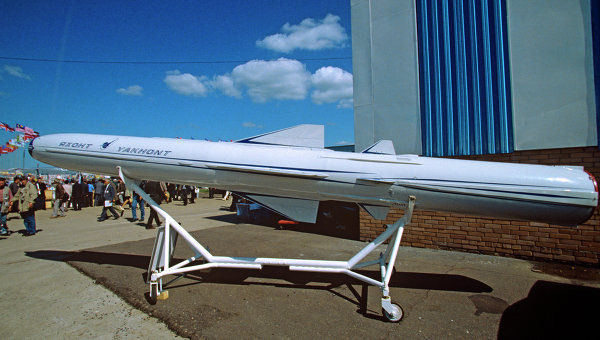
The P-800 is a supersonic anti-ship cruise missile designed to challenge modern naval defenses.
- Assessment: Exceptionally difficult to intercept, it has the potential to shift the balance of naval power and is often described as a decisive “fleet killer.”
- Speed: Above Mach 2
- Key features: Sea-skimming flight profile and high-speed terminal attack
2. BGM-109 (Tomahawk)
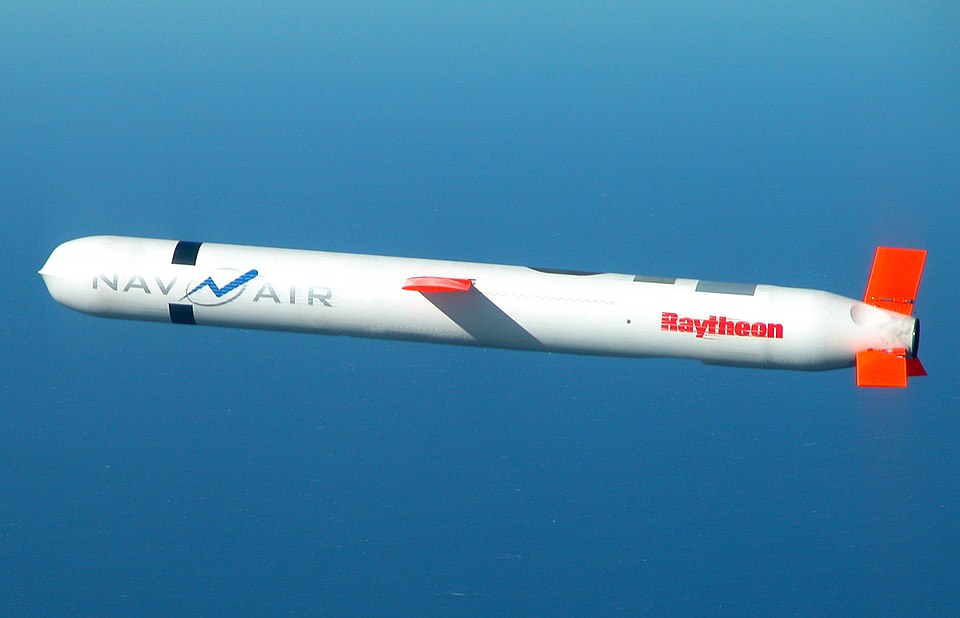
The BGM-109 Tomahawk is the United States’ most iconic cruise missile, refined through decades of operational use.
- Assessment: A symbol of modern precision warfare, enabling surgical strikes and often representing the opening move of contemporary conflicts.
- Range: Over 1,000 km
- Key features: Terrain-following flight, precision guidance, and flexible launch platforms
1. RS-28 (Sarmat)
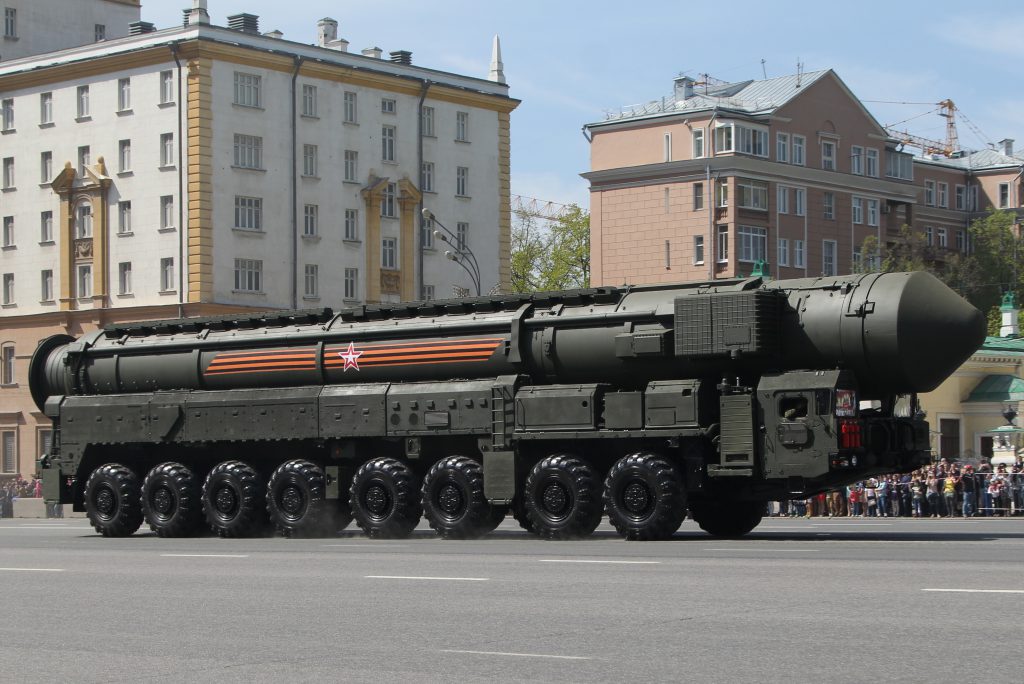
Claiming the top position is Russia’s new intercontinental ballistic missile, RS-28 Sarmat.
- Assessment: The embodiment of strategic nuclear deterrence, designed to overwhelm existing missile defense concepts and operate at the level of national survival.
- Range: Global reach, effectively unlimited
- Payload: Multiple independently targetable reentry vehicles (MIRVs) and hypersonic glide vehicles
Conclusion
From tactical responsiveness (9K720) and airspace denial through defense (S-400), to naval strike capability (P-800), combat-proven precision (BGM-109), and finally ultimate nuclear deterrence (RS-28), each missile on this list fulfills a distinct strategic role.
Rather than being a simple comparison of performance figures, this ranking reflects national security doctrines and the evolving nature of global military balance—offering a clearer, more three-dimensional understanding of today’s international security environment.