Top 10 Environmental Issues Facing the World Today
In the 21st century, humanity faces environmental problems of unprecedented scale and complexity. Air, oceans, forests, and biodiversity are all deeply interconnected—damage to one system often accelerates the collapse of others. In this article, we explore the world’s most pressing environmental issues, ranked from No.10 to No.1, based on their severity, global impact, and long-term consequences.
10. Air Pollution
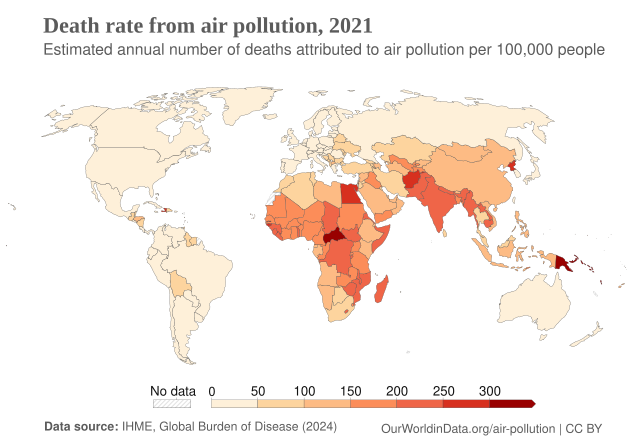
Air pollution is caused by harmful substances released from factories, vehicles, and power plants, such as PM2.5, nitrogen oxides, and sulfur oxides. It leads to respiratory and cardiovascular diseases and is especially severe in large cities and developing countries. In recent years, indoor air pollution has also become a growing concern.
9. Desertification
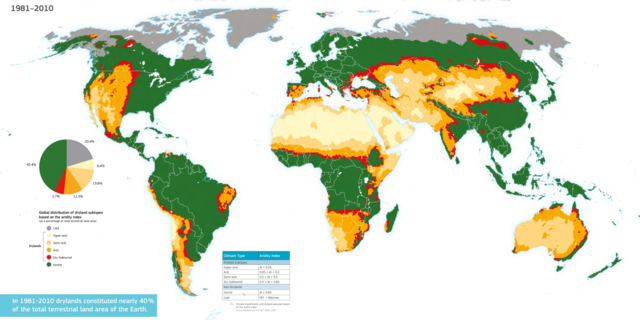
Desertification occurs when fertile land degrades due to overgrazing, deforestation, and inappropriate farming practices. It is particularly serious in parts of Africa, the Middle East, and Asia, contributing to food shortages, poverty, and even armed conflicts.
8. Acid Rain
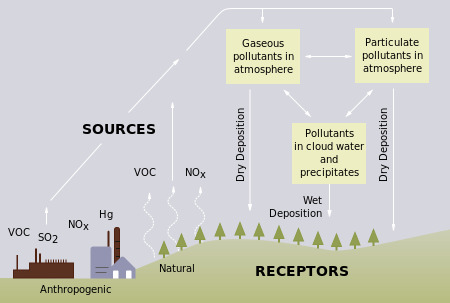
Acid rain forms when sulfur dioxide and nitrogen oxides from burning fossil fuels mix with moisture in the atmosphere. It damages forests, lakes, and buildings. While regulations have reduced the problem in Europe and North America, it remains a serious issue in rapidly industrializing regions.
7. Ozone Layer Depletion
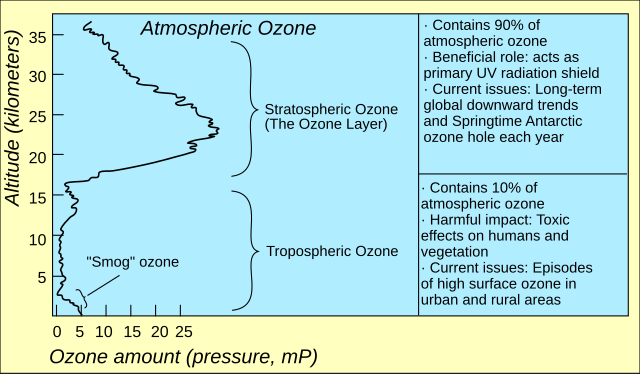
The ozone layer protects life on Earth from harmful ultraviolet radiation. Chemicals such as CFCs have caused significant depletion in the past. Thanks to international regulations, the ozone layer is gradually recovering, but full restoration is expected to take several more decades.
6. Soil Contamination
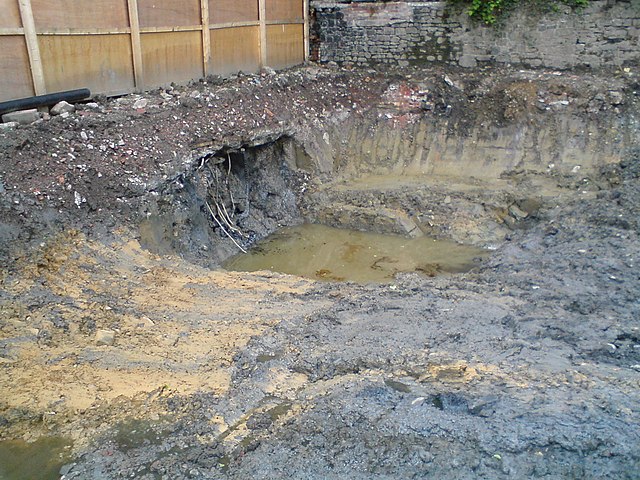
Soil contamination is caused by pesticides, heavy metals, and industrial waste. Polluted soil can contaminate crops and groundwater, posing serious risks to human health. Once contaminated, soil is extremely difficult and costly to restore.
5. Marine Pollution
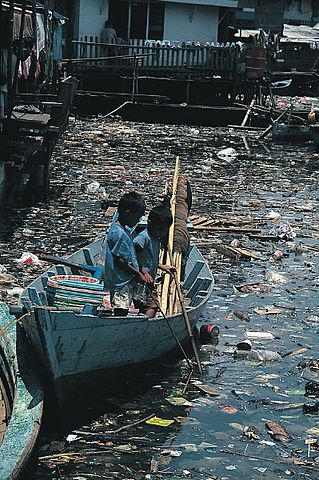
Marine pollution includes plastic waste, oil spills, and chemical runoff entering the oceans. These pollutants damage marine ecosystems and threaten sea life. Microplastics are particularly alarming, as they enter the food chain and may pose unknown health risks to humans.
4. Water Pollution
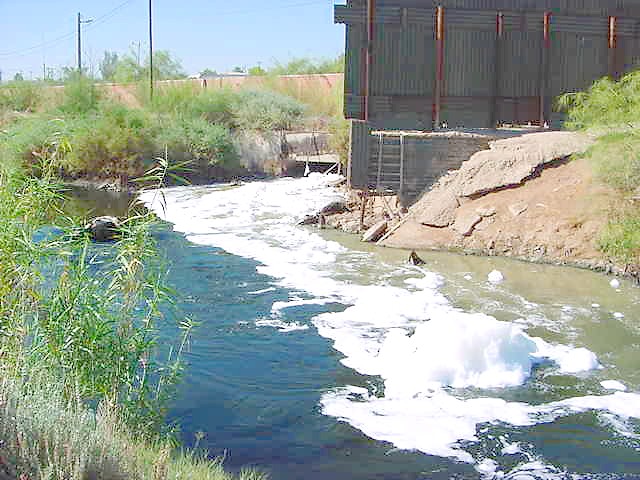
Water pollution results from industrial discharge, household wastewater, and agricultural runoff. It contaminates rivers, lakes, and groundwater, limiting access to safe drinking water and increasing the spread of waterborne diseases while destroying aquatic ecosystems.
3. Deforestation
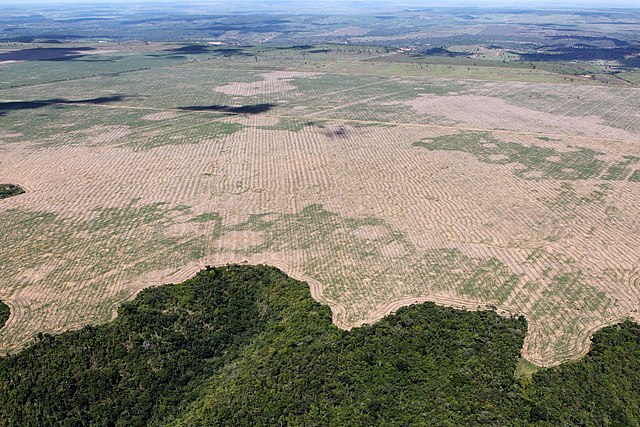
Forests play a vital role in absorbing carbon dioxide and supporting biodiversity. However, large-scale logging and land conversion for agriculture—especially in tropical rainforests—are rapidly reducing forest areas. Deforestation accelerates both climate change and biodiversity loss.
2. Biodiversity Loss
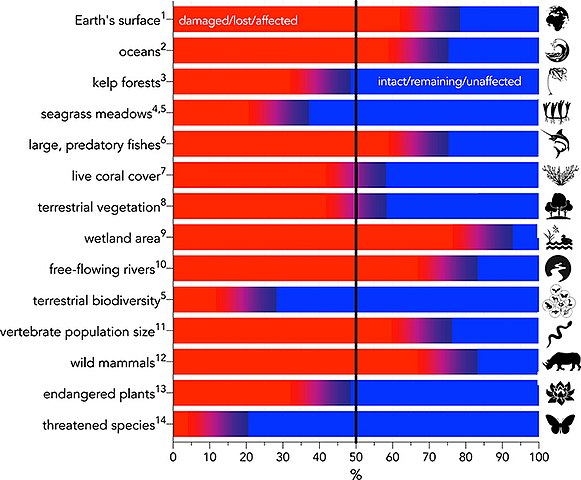
Human activities are driving countless species toward extinction. When biodiversity declines, ecosystems lose their balance, threatening food production, water cycles, and natural disease control—systems essential for human survival.
1. Global Warming / Climate Change
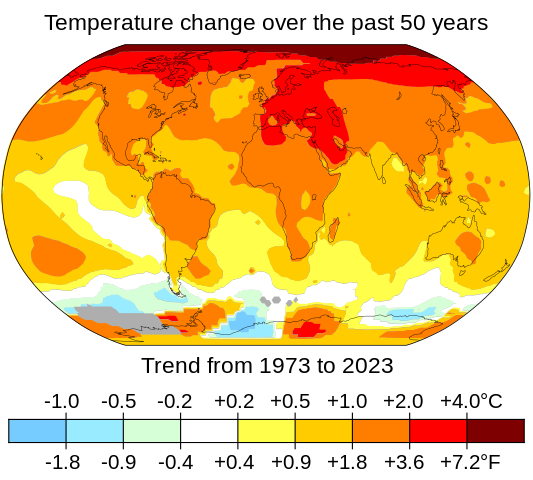
Global warming, driven by greenhouse gas emissions from fossil fuel use, is the most critical environmental issue today. Rising temperatures cause extreme weather events, sea-level rise, melting glaciers, droughts, and floods. Climate change intensifies nearly all other environmental problems, making it the central challenge of our time.
Conclusion
As this ranking shows, environmental problems do not exist in isolation—they are deeply interconnected. Climate change, in particular, amplifies many other crises. The choices we make every day—how we use energy, what we consume, and which policies we support—shape the future of our planet. Understanding these issues is the first step toward meaningful action.