Top 10 Global Social Issues
While globalization and technological innovation continue to advance, the world is simultaneously confronting an unprecedented range of complex social issues. Environmental degradation, economic instability, health crises, educational gaps, and armed conflicts are deeply interconnected and cannot be solved in isolation. In this article, we present a ranking of major global social issues from No. 10 to No. 1, examining their background, impacts, and what is required of the international community and of us as individuals.
10. Environmental Pollution
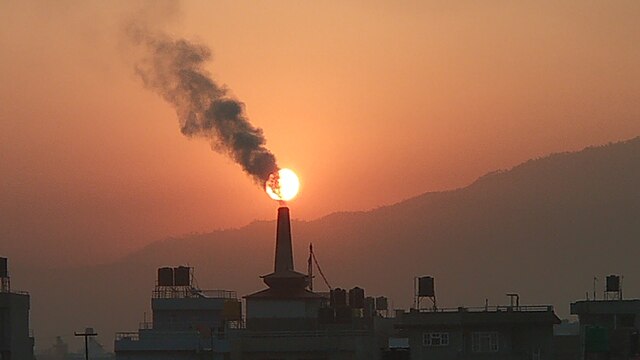
Air pollution, water contamination, and plastic waste are causing serious damage to human health and ecosystems worldwide. In urban areas especially, pollution contributes to respiratory diseases and water shortages, disproportionately affecting vulnerable populations. Stronger environmental regulations, corporate accountability, and changes in individual behavior are all essential.
9. Youth Unemployment

High youth unemployment rates in many regions increase the risk of social instability and long-term poverty. Mismatches between education systems and labor market needs, digital divides, and sluggish economic growth are major factors. Beyond job creation, vocational training and support for entrepreneurship are crucial.
8. Infectious Diseases

Emerging and re-emerging infectious diseases have exposed weaknesses in global healthcare systems. Inequitable access to vaccines and medical services allows health risks to spread across borders. Sustained investment in public health and international cooperation is indispensable.
7. Resource Depletion
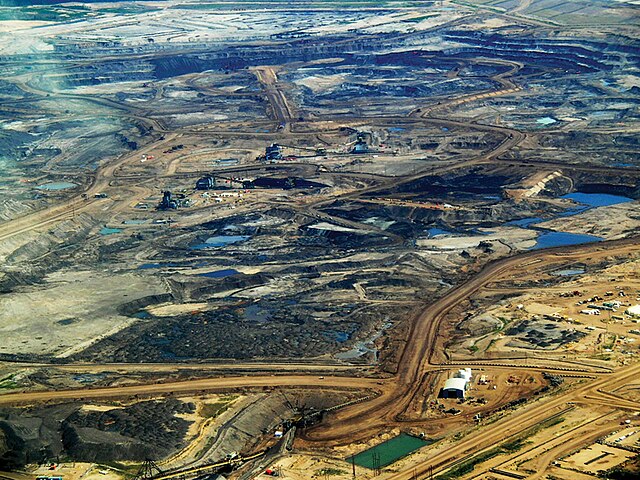
Overconsumption of fossil fuels, freshwater, forests, and mineral resources is narrowing the options available to future generations. Transitioning to a circular economy, expanding renewable energy, and rethinking consumption patterns are urgent priorities.
6. Educational Inequality
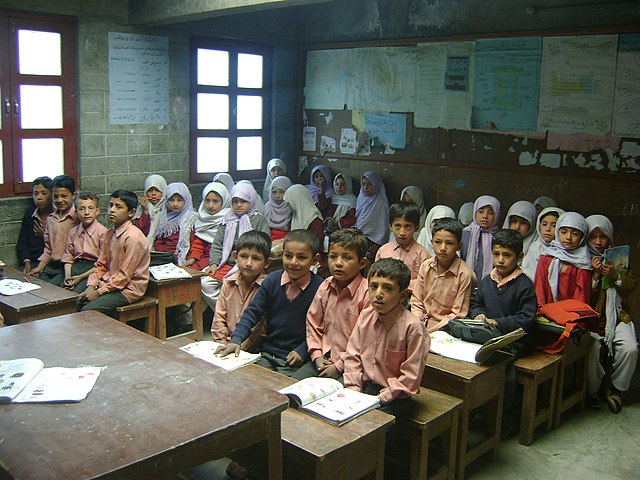
Educational opportunities remain heavily influenced by birthplace and family background, perpetuating cycles of poverty. While digital learning offers new possibilities, it also risks leaving behind those without access to technology. Equal access to quality education is a cornerstone of social mobility.
5. Gender Inequality
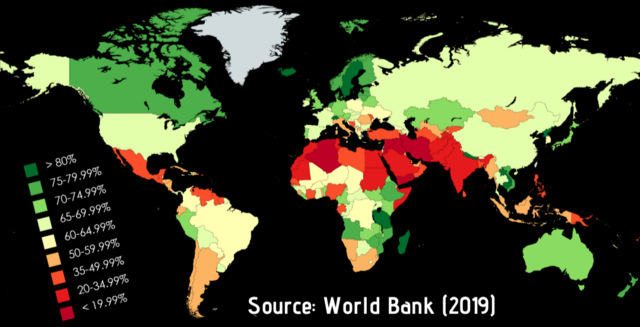
Gender inequality persists in wages, education, political participation, and exposure to violence. These disparities affect entire societies, not just women. Legal reforms, cultural change, and the active involvement of men are key to meaningful progress.
4. Refugee Crisis
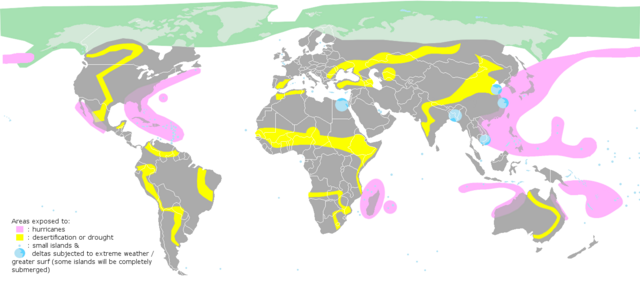
Conflicts, persecution, and climate-related disasters continue to force millions from their homes. Host countries face increasing pressure, while displaced people endure prolonged instability with limited access to education and employment. Long-term, humane solutions are urgently needed.
3. War and Conflict
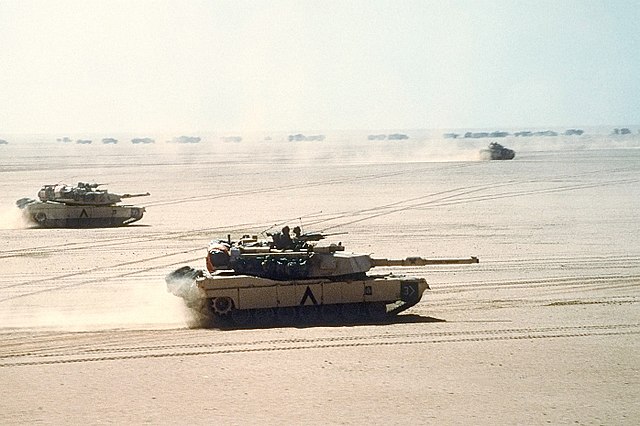
Armed conflicts claim lives, destroy infrastructure, collapse economies, and drive mass displacement. Beyond immediate human suffering, they create long-lasting regional and global instability. Diplomacy, peacebuilding, and respect for international law are essential to breaking these cycles.
2. Poverty & Hunger
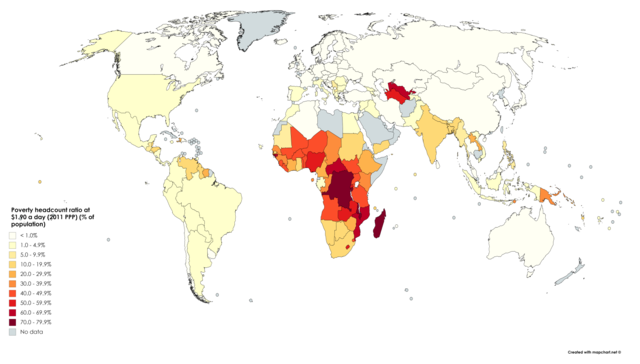
Millions of people still lack reliable access to food, healthcare, and education. Hunger and poverty particularly harm children, with consequences that last a lifetime. Strengthening social safety nets, promoting sustainable agriculture, and fostering inclusive economic growth are critical.
1. Climate Change
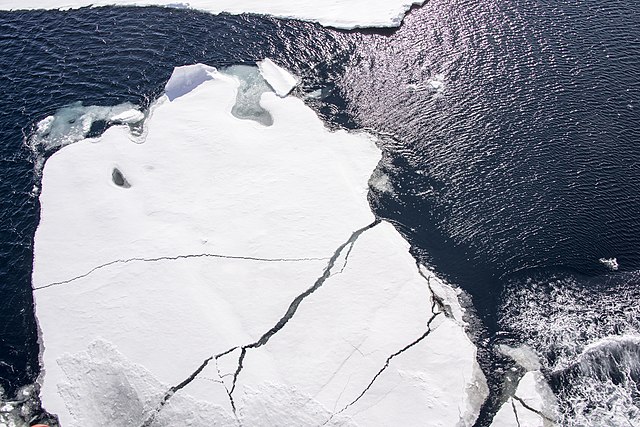
Climate change is the greatest risk multiplier of our time, intensifying natural disasters, food insecurity, health crises, and even conflicts. Addressing it requires rapid emission reductions, effective adaptation strategies, and strong international agreements backed by real action.
Conclusion
As this ranking illustrates, global social issues are deeply intertwined. There is no single solution. Progress depends on the combined efforts of governments, businesses, and individual citizens. By understanding these challenges, making conscious choices, and acting in solidarity, we can take meaningful steps toward a more sustainable and equitable future.