Top 10 Deadliest Infectious Diseases Worldwide
Infectious diseases remain a serious threat to humanity even in the modern era of advanced medicine. In particular, highly lethal infectious diseases are feared worldwide because, although outbreaks may be limited in scale, infection often leads directly to death. In this article, we present a ranking of the world’s most deadly infectious diseases, from No. 10 to No. 1, focusing on their lethality and characteristics.
10. Yellow Fever
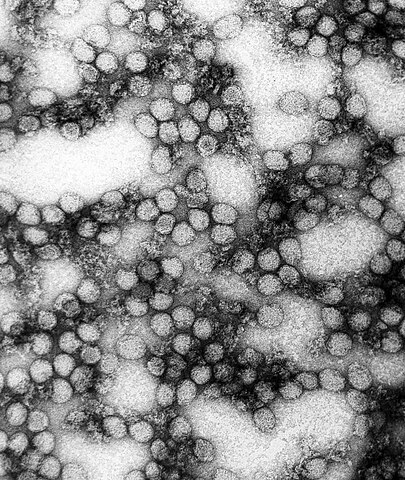
Yellow fever is a mosquito-borne viral disease found mainly in tropical regions of Africa and South America. While many cases are mild, severe infections can cause liver failure and hemorrhage, with fatality rates of 20–50% in severe cases. An effective vaccine exists, making prevention through vaccination critically important.
9. SARS (Severe Acute Respiratory Syndrome)
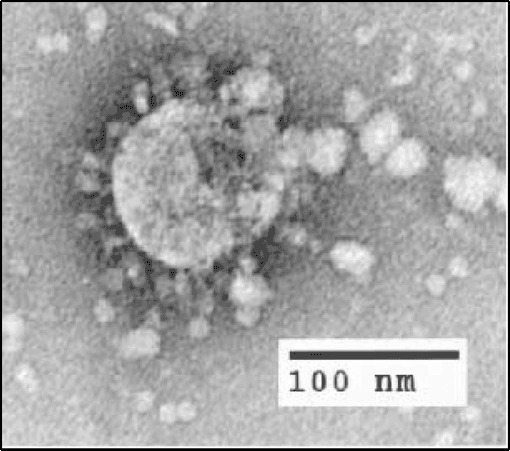
SARS is a coronavirus infection that caused a global outbreak in 2002–2003. It primarily affects the respiratory system, leading to severe pneumonia. The overall fatality rate was approximately 10%, with significantly higher mortality among older adults.
8. Plague
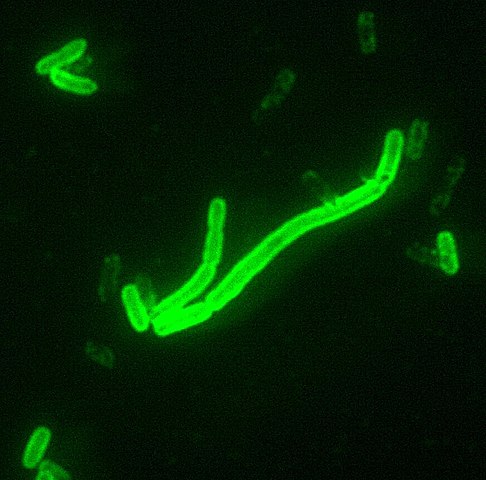
Known historically as the “Black Death,” plague is a bacterial infection that still occurs sporadically today. Among its forms, pneumonic plague is particularly deadly, with a near-100% fatality rate if left untreated. Antibiotics are effective, but rapid diagnosis is essential.
7. MERS (Middle East Respiratory Syndrome)
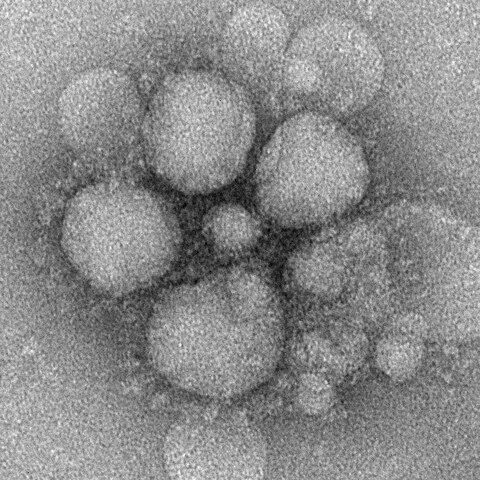
MERS is another coronavirus infection, mainly reported in the Middle East. It causes severe pneumonia and kidney failure, with a fatality rate of around 35%. Hospital-acquired infections have been a major concern during outbreaks.
6. Crimean-Congo Hemorrhagic Fever
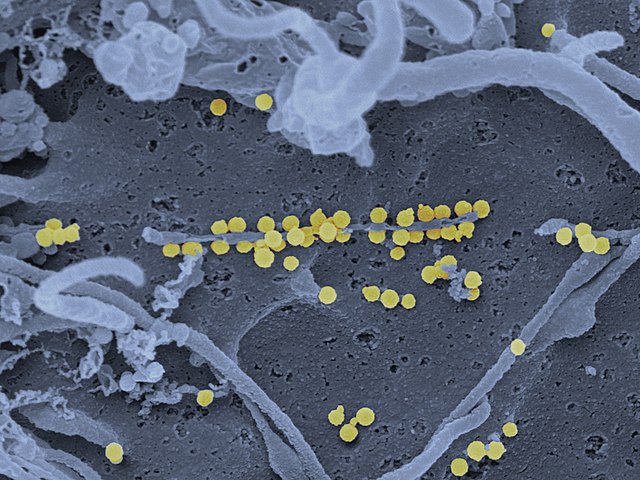
This tick-borne viral disease is characterized by sudden high fever and severe bleeding. It poses a significant risk to healthcare workers in endemic regions. Reported fatality rates range from 10% to 40%.
5. Nipah Virus Infection
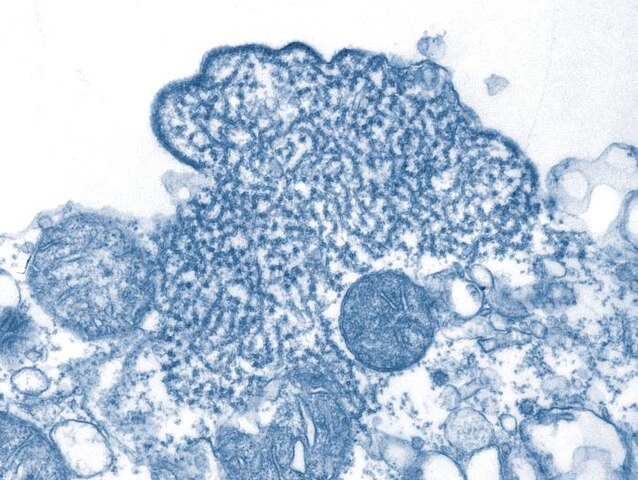
Nipah virus is an emerging infectious disease carried by fruit bats. In humans, it can cause acute encephalitis and respiratory failure. Outbreaks have shown extremely high fatality rates of 40–75%, and no established vaccine or specific treatment currently exists.
4. H5N1 (Avian Influenza)
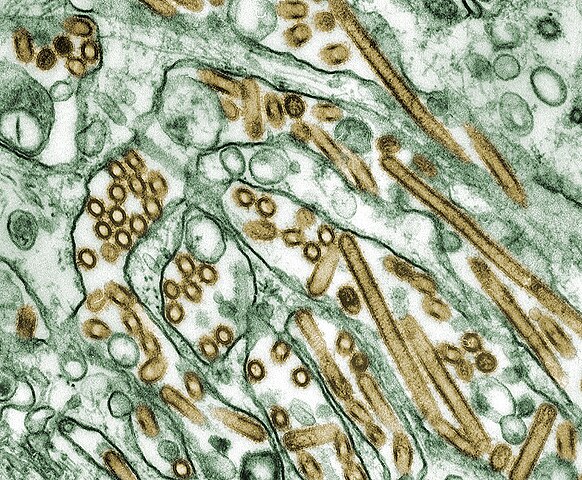
H5N1 is a highly pathogenic avian influenza virus transmitted from poultry to humans. Although human infections are rare, reported cases show a fatality rate of approximately 50–60%, primarily due to severe viral pneumonia.
3. Ebola Virus Disease
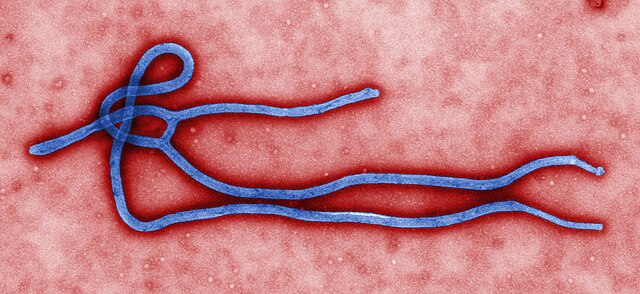
Ebola virus disease causes severe symptoms such as vomiting, diarrhea, and widespread bleeding. Past outbreaks have recorded fatality rates of 50–90%. In recent years, advances in treatment and vaccination have helped reduce mortality, though the disease remains extremely dangerous.
2. Marburg Virus Disease
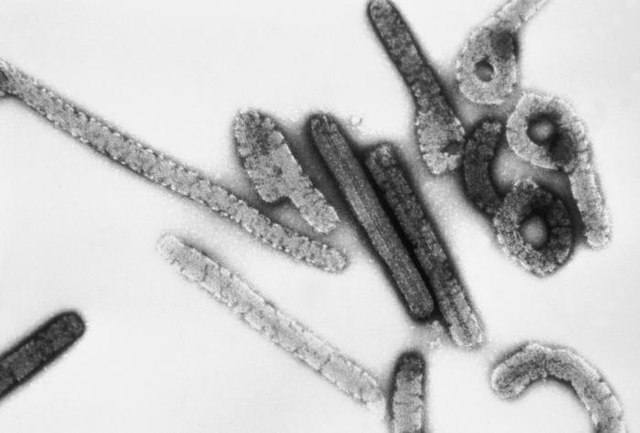
Closely related to Ebola, Marburg virus disease presents with similar symptoms and severity. Depending on the outbreak, fatality rates can reach 80–90%, making it one of the most lethal infectious diseases known.
1. Rabies

Rabies is a viral disease transmitted from animals to humans, usually through bites. Once symptoms appear, the fatality rate is nearly 100%. However, timely post-exposure vaccination can prevent disease onset. Because there is no effective treatment after symptoms develop, rabies ranks as the deadliest infectious disease in the world.
Conclusion
Most highly lethal infectious diseases share a common feature: they are extremely difficult to treat once symptoms appear. At the same time, many can be prevented through vaccination, early diagnosis, and strict infection control measures. Accurate knowledge and strong global public health efforts remain our most powerful tools in combating these deadly threats.