Top 10 Most Successful U.S. Military Operations in History
From the twentieth century into the twenty-first, the U.S. military has carried out numerous operations that reshaped battlefields and altered the course of global security. Some turned the tide of major wars; others achieved precise political objectives with speed and discretion. This article ranks the most successful U.S. military operations—from No. 10 to No. 1—evaluated by historical impact, operational execution, and strategic outcome.
10. Operation Urgent Fury (1983)
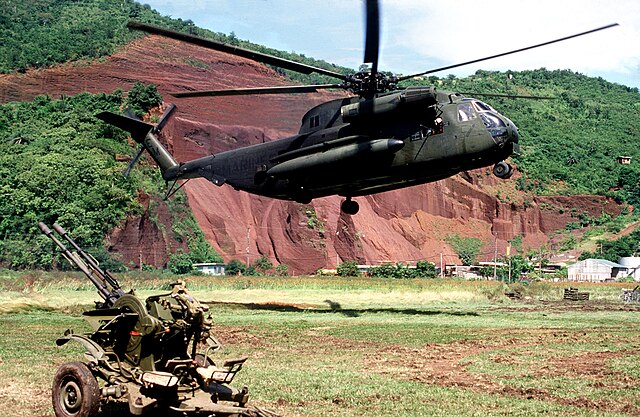
Launched in response to a coup in Grenada and concerns for the safety of American medical students, this operation rapidly toppled the hostile regime and evacuated civilians. While coordination issues exposed shortcomings in joint operations, the mission achieved its primary goals quickly and yielded lessons that later strengthened U.S. military integration.
9. Operation Just Cause (1989)
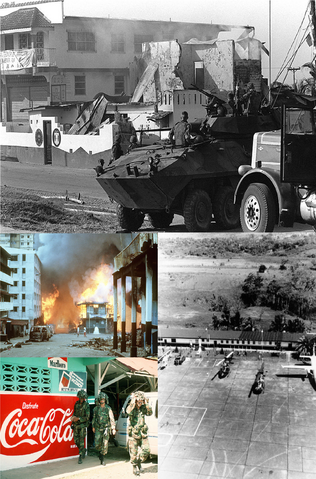
Aimed at removing Panamanian strongman Manuel Noriega, this operation showcased rapid deployment of airborne and mechanized forces. Despite the challenges of urban combat, U.S. forces seized key objectives in a short time frame, successfully restoring a friendly government and demonstrating decisive political-military action.
8. Operation Husky (1943)
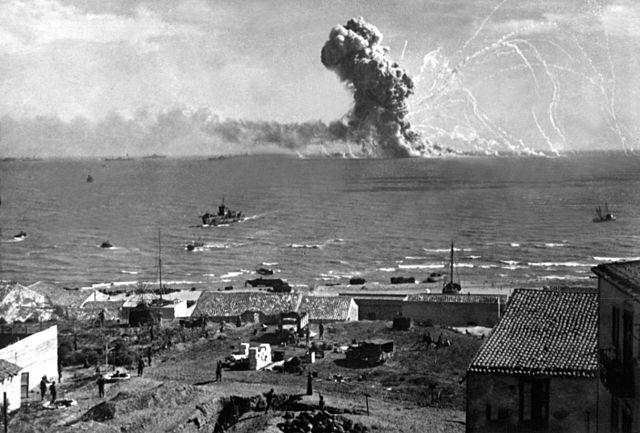
The Allied invasion of Sicily marked a major step toward defeating Axis powers in Europe. U.S. forces, fighting alongside British allies, secured control of the island and the Mediterranean sea lanes. The operation directly contributed to Italy’s withdrawal from the war and shifted strategic momentum in favor of the Allies.
7. Operation Avalanche (1943)

The amphibious landing at Salerno on mainland Italy faced fierce German counterattacks. Through determined defense and sustained logistical support, U.S. and Allied forces held and expanded their beachhead, paving the way for a prolonged but ultimately successful Italian campaign.
6. Operation Torch (1942)
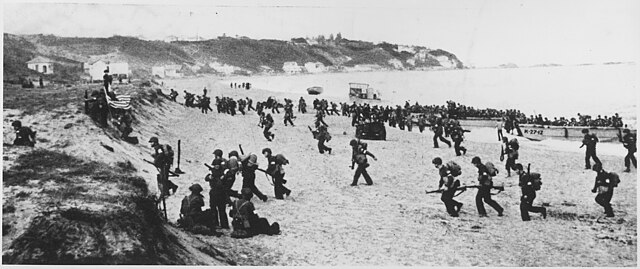
The first large-scale American operation in the European theater, Torch involved complex amphibious landings in North Africa. Its success provided invaluable combat experience, strengthened Allied cooperation, and set the conditions for subsequent victories against Axis forces in the Mediterranean.
5. Operation Chromite (1950)
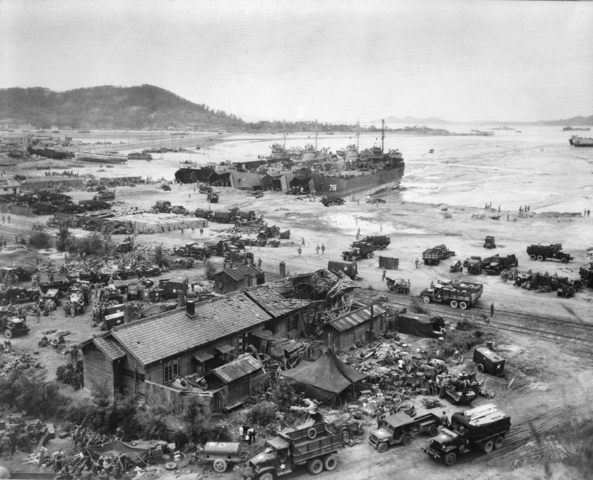
Perhaps one of the boldest amphibious operations in history, the landing at Inchon during the Korean War exploited extreme tidal conditions to achieve surprise. The success of this risky plan reversed the course of the war, severing enemy supply lines and restoring strategic initiative to U.S. and UN forces.
4. Operation Neptune Spear (2011)

This highly classified special operation culminated in the death of al-Qaeda leader Osama bin Laden. Conducted deep inside hostile territory, the mission demonstrated exceptional intelligence gathering, planning, and execution—highlighting the maturity and precision of U.S. special operations forces.
3. Operation Enduring Freedom (2001)
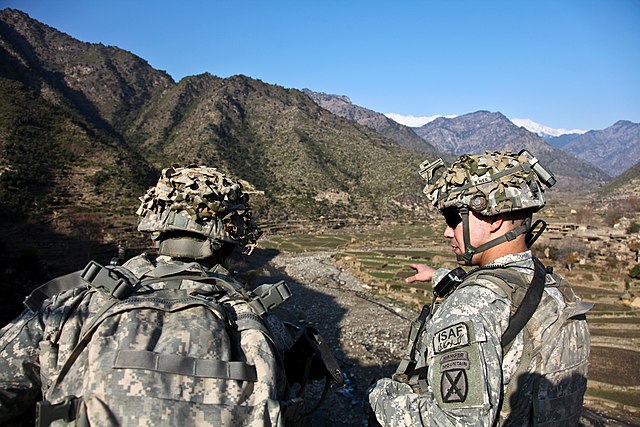
Initiated after the September 11 attacks, this operation rapidly dismantled the Taliban regime in Afghanistan. By combining special forces, air power, and local allies, the U.S. military pioneered a new model of warfare that emphasized flexibility, speed, and networked operations.
2. Operation Desert Storm (1991)
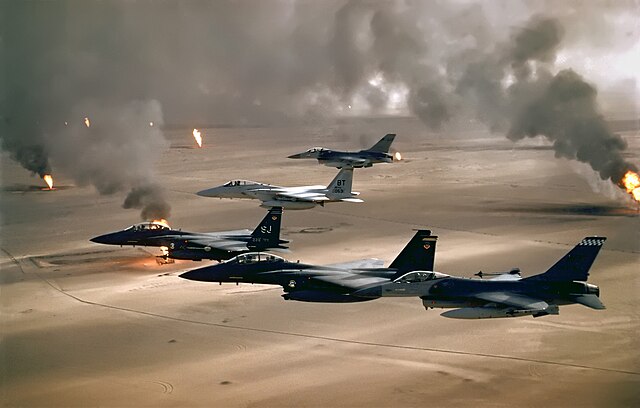
The combat phase of the Gulf War remains a landmark in modern military history. Overwhelming air superiority, precision strikes, and seamless coalition coordination crippled Iraqi forces. The ground campaign concluded in just 100 hours, underscoring the effectiveness of high-technology, joint warfare.
1. Operation Overlord (1944)
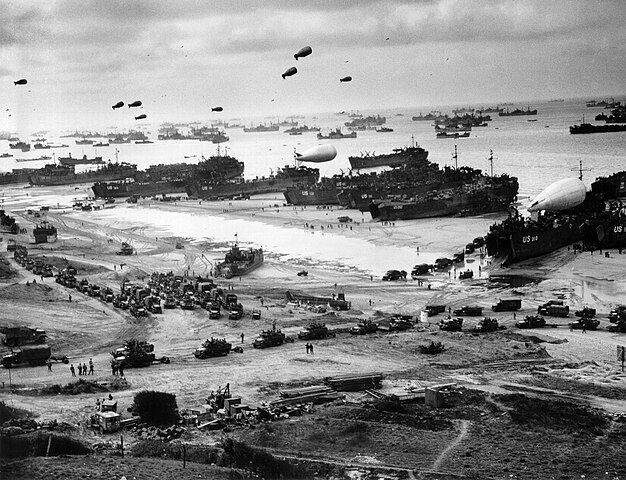
The Normandy landings stand as the largest amphibious invasion ever conducted. With U.S. forces at the core of Allied planning and execution, Operation Overlord opened a decisive Western Front against Nazi Germany. Its success hinged on unparalleled logistics, deception, and multinational coordination, ultimately accelerating the end of World War II in Europe.
Conclusion
Each operation in this ranking represents more than a tactical victory; together, they illustrate how preparation, innovation, and alliance-building can shape history. From massive amphibious assaults to pinpoint special operations, these successes continue to inform military strategy and offer enduring lessons for contemporary security challenges.