The Most Dangerous Banned Weapons in the World
Throughout history, humanity has developed countless weapons in the pursuit of military advantage. Some of them, however, have proven to be so destructive and indiscriminate that the international community has agreed they should never be used. These weapons cause immense suffering to civilians, devastate the environment, and leave long-lasting consequences even after wars end.
In this article, we present a ranking of the most dangerous weapons banned by the world, explained in detail from No. 6 to No. 1.
6. Incendiary Weapons
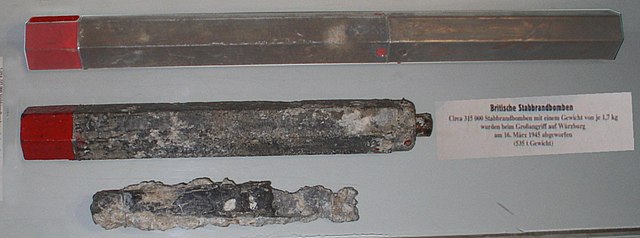
Incendiary weapons, such as napalm and white phosphorus, are designed to start fires and burn targets over wide areas. Once deployed, they generate extreme heat, rapidly igniting buildings, forests, and anything combustible.
Their greatest danger lies in their indiscriminate nature. When used near populated areas, civilians are easily caught in the flames. Some substances continue burning even when exposed to water, causing severe and often fatal injuries. As a result, international law strictly limits their use, especially against civilian targets.
5. Chemical Weapons
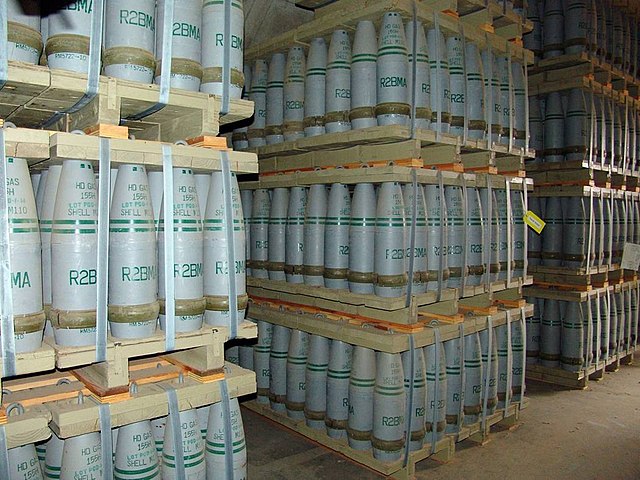
Chemical weapons use toxic chemicals—such as choking agents, blister agents, or nerve agents—to kill or incapacitate humans. Mustard gas, used extensively during World War I, remains one of the most infamous examples.
Even in small quantities, chemical agents can be lethal. They enter the body through inhalation or skin contact, and their effects are often invisible and unpredictable. Because wind and weather can spread them uncontrollably, civilians frequently become unintended victims, making these weapons particularly abhorrent.
4. Biological Weapons
Biological weapons rely on pathogens such as bacteria, viruses, or toxins to spread disease. Examples include anthrax and smallpox.
What makes biological weapons especially terrifying is their potential to trigger uncontrollable epidemics. Once released, infections can spread beyond the battlefield, crossing borders and affecting entire populations. Even after a conflict ends, the resulting public health crisis may persist for years or decades.
3. Cluster Munitions
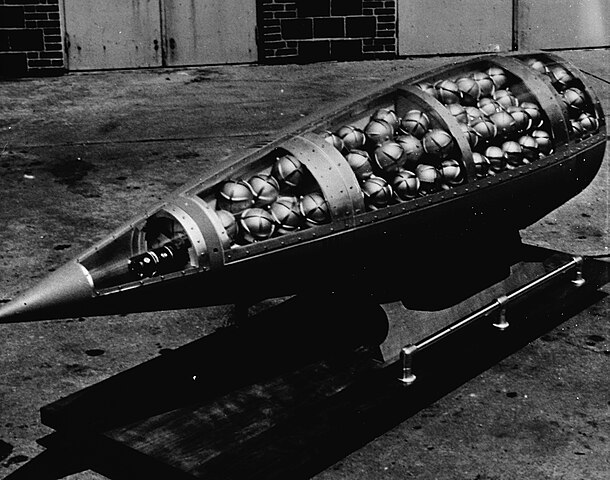
Cluster munitions disperse dozens or even hundreds of small submunitions over a wide area. While militarily effective against multiple targets, they pose a grave humanitarian risk.
Many of these bomblets fail to explode on impact, remaining hidden in fields, roads, and villages. Long after the fighting stops, they continue to injure and kill civilians—especially children, who may mistake them for toys. This lasting danger has led to strong international condemnation.
2. Anti-Personnel Landmines

Anti-personnel landmines are designed to explode when a person steps on or approaches them. Once planted, they can remain active for decades.
These weapons do not distinguish between soldiers and civilians. Farmers, children, and refugees are often the victims, many losing limbs or suffering permanent disabilities. Beyond the human cost, landmines hinder reconstruction and make entire regions unsafe long after peace is declared.
1. Nuclear Weapons
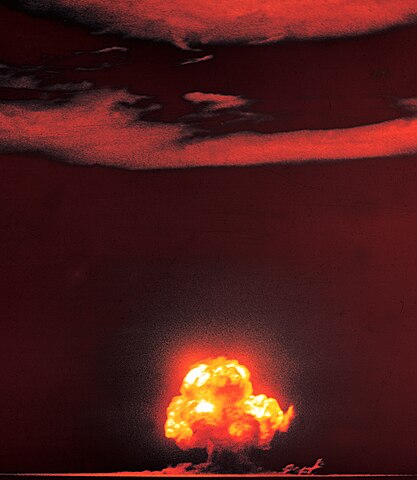
At the top of the list are nuclear weapons, the most destructive weapons ever created. A single nuclear explosion can annihilate an entire city in seconds.
The devastation does not end with the blast. Radiation causes long-term health effects, including cancer and genetic damage, and contaminates land and water for generations. If used on a large scale, nuclear weapons would threaten the survival of humanity itself, making them uniquely dangerous among all weapons.
Conclusion
All the weapons discussed in this ranking share one crucial characteristic: their destructive impact extends far beyond the battlefield. They cause immense civilian suffering, environmental damage, and long-term instability.
The global effort to ban these weapons reflects a shared understanding that even in war, there must be limits. Learning about these banned weapons is not only a lesson in military history, but also a reminder of the importance of upholding human dignity and working toward a more peaceful world.