Top 10 Latest Military Technologies
Military technology in the 21st century is rapidly shifting beyond traditional measures such as firepower and armor toward electromagnetic dominance, information superiority, and autonomous intelligence. Deterrence is no longer defined by individual platforms alone, but by the overall advantage of networked systems. In this feature, we rank and analyze the world’s most influential emerging military technologies—from No. 10 to No. 1—that are reshaping the future battlefield.
10. Railgun
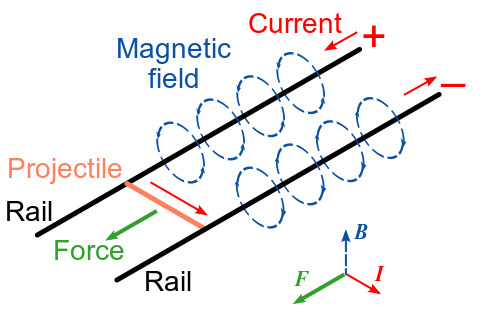
Railguns use electromagnetic force to accelerate projectiles to extreme velocities without chemical propellants. This enables hypersonic muzzle speeds, extended range, and exceptional penetration power.
The main challenges remain power generation and barrel wear, but as naval vessels become increasingly electrified, railguns are regaining attention as a future cornerstone for anti-ship and missile defense.
9. Electromagnetic Pulse (EMP) Weapons
EMP weapons disable electronic systems with powerful electromagnetic waves, allowing forces to paralyze command networks and urban infrastructure while limiting direct casualties.
Their effectiveness in asymmetric warfare is significant, though concerns persist regarding collateral effects on civilian systems and international legal frameworks.
8. High-Energy Laser Weapons
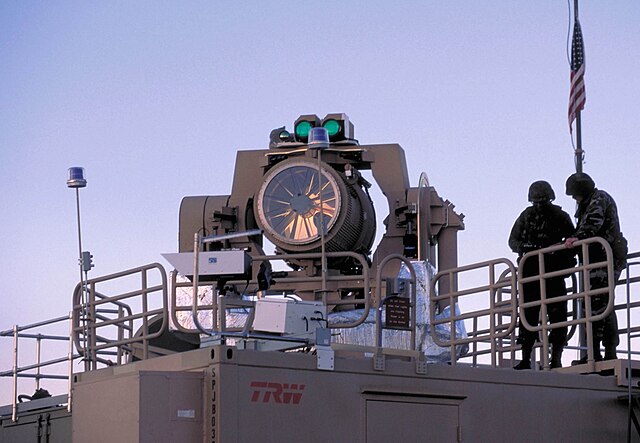
Operating at the speed of light and requiring no physical ammunition, high-energy lasers excel at countering drones and short-range missiles.
Weather sensitivity remains a limitation, but when integrated into layered air-defense systems, lasers offer unmatched precision and rapid response.
7. Stealth Vessels
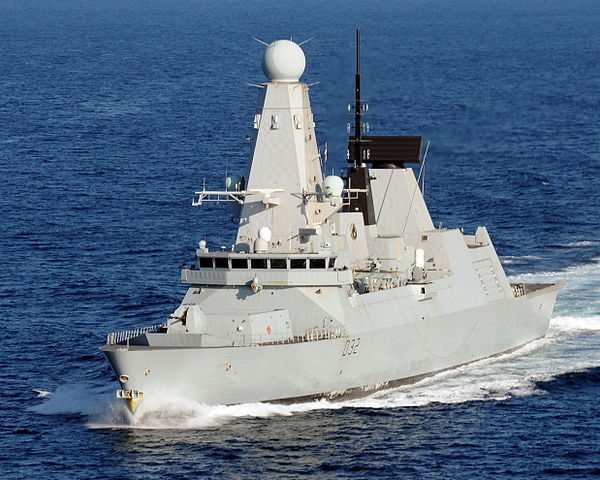
Through advanced hull designs and radar-absorbing materials, stealth vessels drastically reduce radar cross-sections. Their low observability and acoustic quietness make them highly effective in coastal and contested waters.
When combined with unmanned systems and sensor fusion, they enable near-invisible fleet operations.
6. Quantum Radar
Quantum radar leverages quantum entanglement to detect objects that evade conventional radar, potentially neutralizing stealth advantages.
Still largely experimental, its successful deployment would represent a fundamental shift in sensor warfare.
5. Autonomous Unmanned Submarines
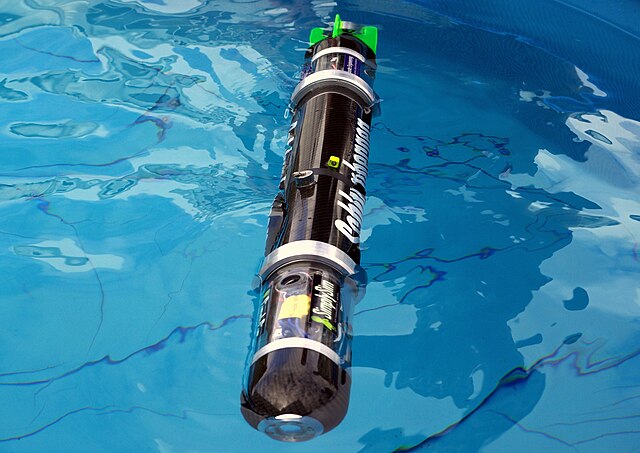
Capable of long-duration, independent operations, unmanned underwater vehicles perform reconnaissance, mine warfare, and anti-submarine support with minimal risk to personnel.
They enhance persistent presence in undersea domains while redefining naval force structure.
4. Cyber Warfare AI
Artificial intelligence has become central to cyber warfare, analyzing massive data streams to accelerate both offensive and defensive decision-making.
From intrusion detection to adaptive cyberattacks, AI dominates the invisible battlefield of information.
3. Next-Generation Stealth Fighters
Modern stealth fighters are evolving into network hubs, operating alongside unmanned loyal wingmen.
Advanced sensor fusion and secure communications allow air superiority to be achieved not just through speed and agility, but through information dominance.
2. Hypersonic Weapons
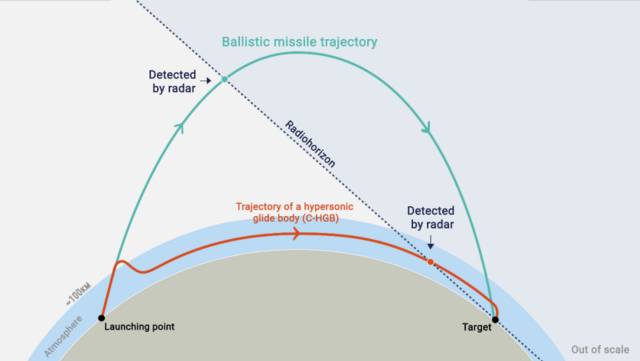
Traveling at speeds exceeding Mach 5 with unpredictable maneuverability, hypersonic weapons drastically compress reaction times and challenge existing missile defenses.
While they redefine strategic deterrence, they also increase the complexity of crisis stability and escalation control.
1. Drone Swarms
Drone swarms consist of hundreds or thousands of networked unmanned systems operating through distributed coordination and collective intelligence.
Their redundancy, adaptability, and low cost render traditional one-on-one interception ineffective, making them the most disruptive force on the modern battlefield. Rapid iteration and scalability place drone swarms at the pinnacle of military innovation.
Conclusion
This ranking highlights a critical reality: future conflicts will not be decided by standalone platforms, but by integrated systems combining sensors, communications, AI, and unmanned assets.
Above all, drone swarms exemplify how cost efficiency and rapid evolution can overturn traditional doctrines. As technological competition accelerates, equal attention must be given to operational concepts, ethics, and deterrence frameworks. Military technology, more than ever, reflects the strategic mindset of nations themselves.