The Top 10 Tanks in the World
Even in an era dominated by drones and precision-guided weapons, the main battle tank remains a central pillar of ground combat. Combining powerful main guns, heavy armor, high mobility, and networked sensors, modern tanks continue to dominate the battlefield when operating alongside infantry and other arms.
This ranking evaluates the world’s leading tanks based on firepower, protection, mobility, electronic systems, and operational maturity, presenting them from 10th to 1st place.
10. T-72B3 (Russia)

An upgraded version of the Cold War–era T-72, the T-72B3 features improved fire-control systems and a more powerful engine. While its armor and sensors lag behind newer designs, its cost-effectiveness and ease of mass deployment keep it relevant.
9. T-90 (Russia)
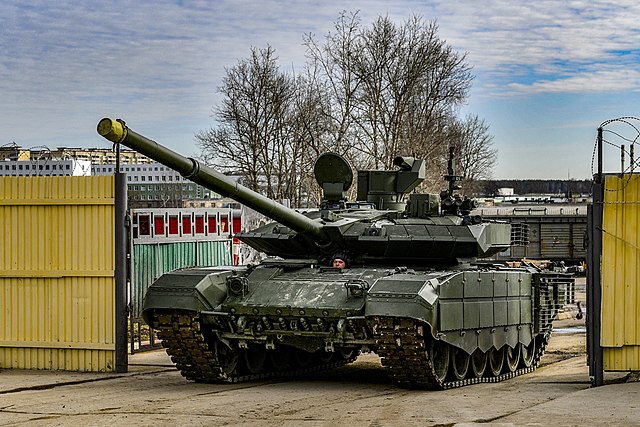
A further development of the T-72 lineage, the T-90 incorporates improved armor and electronic countermeasures. Lighter and more agile than many Western tanks, it stands out for its balance between performance and affordability, as reflected in its strong export record.
8. Leclerc (France)
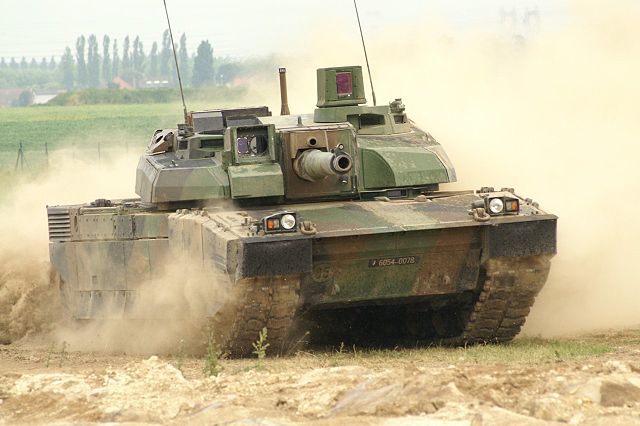
Known for its advanced autoloader and excellent fire-control system, the Leclerc achieves a high rate of fire with a three-man crew. Technologically impressive and agile, it is sometimes criticized for high maintenance demands and cost, but its combat performance is unquestionable.
7. Challenger 2 (United Kingdom)
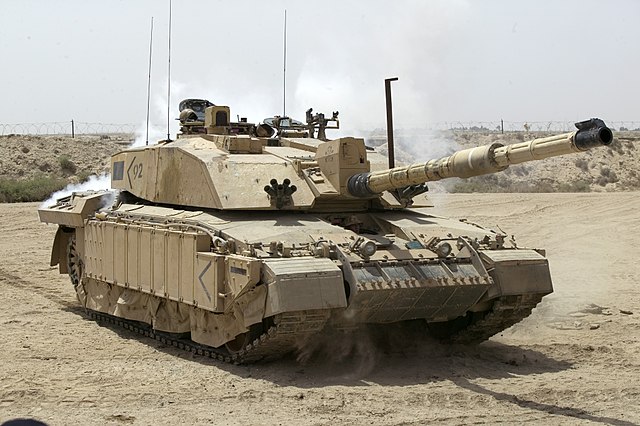
Renowned for its exceptional armor protection, the Challenger 2 emphasizes crew survivability above all else. It has a reputation for being extremely hard to destroy, though its heavy weight limits strategic and tactical mobility compared to some peers.
6. Merkava Mk.4 (Israel)
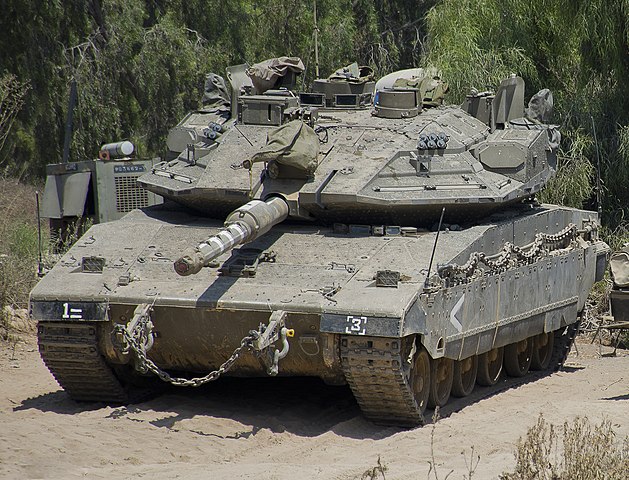
Designed with crew protection as the top priority, the Merkava Mk.4 features a front-mounted engine and advanced active protection systems. Backed by extensive combat experience, it excels in survivability and real-world effectiveness, particularly in complex environments.
5. Type 10 (Japan)
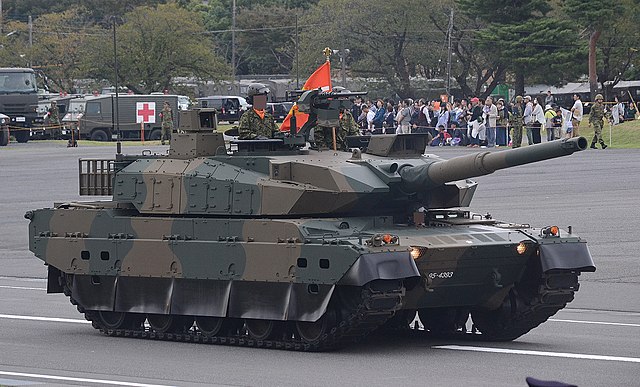
Lightweight and highly mobile, the Type 10 is optimized for Japan’s terrain and infrastructure. Its advanced C4I (Command, Control, Communications, Computers, and Intelligence) capabilities allow seamless integration with other units, making it a technologically dense and network-centric tank.
4. T-14 Armata (Russia)

A revolutionary design featuring an unmanned turret and an armored crew capsule. On paper, the T-14 offers outstanding protection and situational awareness. However, limited deployment and operational experience mean its true potential remains largely unproven, placing it just outside the top three.
3. K2 Black Panther (South Korea)
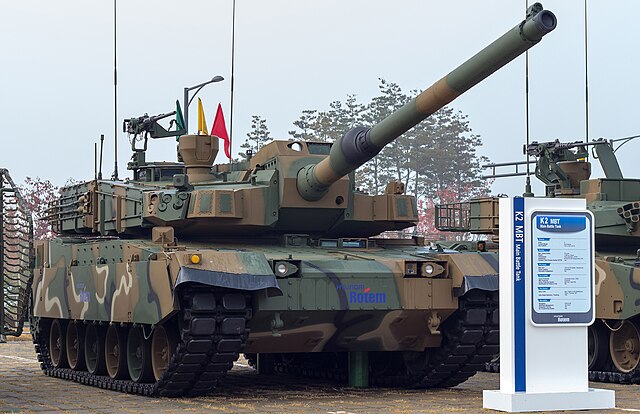
One of the most technologically advanced tanks in service, the K2 combines an autoloader, cutting-edge sensors, and an adjustable suspension system. Its excellent balance of firepower, protection, and mobility makes it a formidable all-rounder with growing international appeal.
2. M1A2 Abrams (United States)
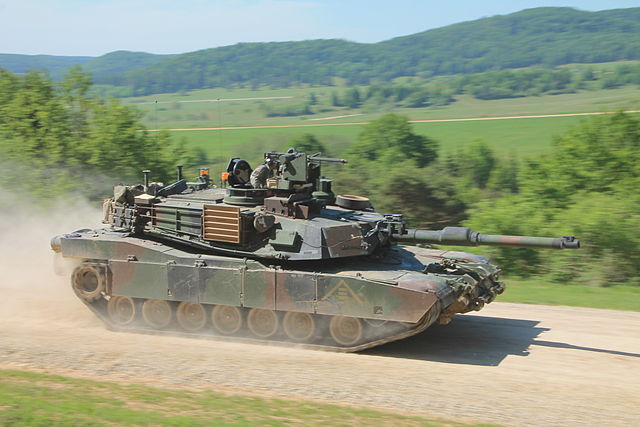
The most combat-tested tank of the modern era, the M1A2 Abrams boasts powerful firepower, thick composite armor, and unparalleled battlefield awareness. While fuel consumption and weight are notable drawbacks, its reliability and extensive combat record secure its place near the top.
1. Leopard 2A7+ (Germany)

Representing the pinnacle of modern tank design, the Leopard 2A7+ offers top-tier protection, superb fire-control accuracy, and excellent mobility. Adaptable to both high-intensity warfare and urban combat, it is widely regarded as the most complete and capable main battle tank in service today.
Conclusion
What distinguishes the top-ranked tanks is not raw specifications alone, but the military doctrine and operational philosophy behind their design. Whether prioritizing heavy armor, advanced networking, or crew survivability, each tank reflects its nation’s strategic needs. As technology evolves, tanks will continue to adapt—but in one form or another, they are likely to remain the backbone of land warfare for years to come.