Top 15 World-Renowned Classical Composers Geniuses
The history of classical music has been shaped by the innovation and passion of extraordinary geniuses. Melody, harmony, form, and spirituality—each composer expanded the limits of their era and left an immeasurable influence on future generations. In this article, we present a ranking of the world’s most celebrated classical composers, from No. 15 to No. 1, exploring their achievements and enduring appeal in detail.
15. Giuseppe Verdi
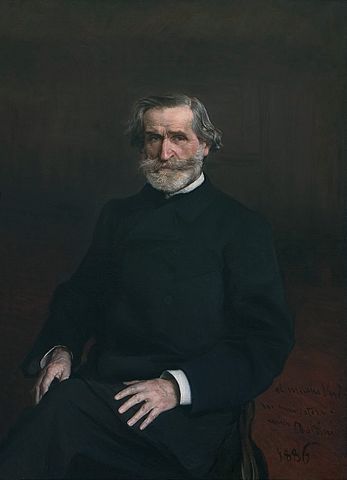
A master who elevated Italian opera to a truly national art form. With works such as Rigoletto, La Traviata, and Aida, Verdi captivated audiences through memorable melodies and powerful drama. His exceptional ability to portray human psychology through music transformed opera into living theater.
14. Richard Wagner
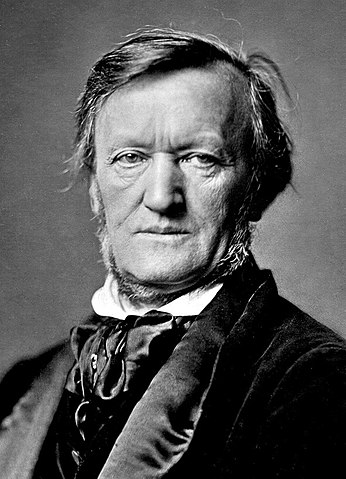
A revolutionary who established the concept of music drama. His monumental cycle Der Ring des Nibelungen reshaped music history with its mythological scope and use of leitmotifs. Wagner fused music, philosophy, and literature into a single, radical artistic vision.
13. Antonín Dvořák
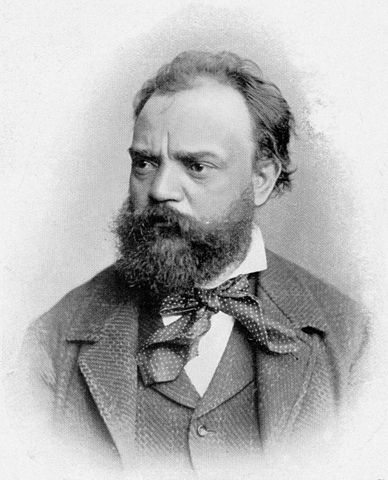
A composer celebrated for his rich melodic gift and national color. Symphony No. 9, “From the New World” blends Bohemian folk elements with American influences, achieving both warmth and structural clarity. His music remains deeply approachable and expressive.
12. Claude Debussy
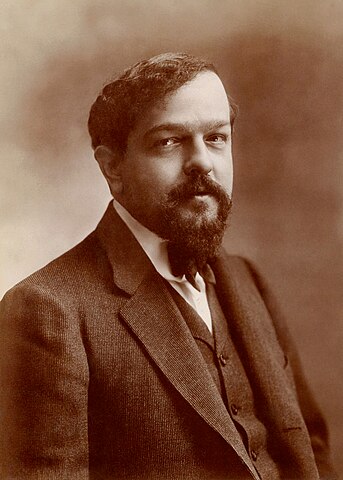
The leading figure of musical Impressionism. Through bold harmonic language and innovative use of tone color, Debussy transformed music into an art of light and atmosphere. Works such as Clair de Lune and La Mer evoke poetry, ambiguity, and emotional nuance.
11. Pyotr Ilyich Tchaikovsky
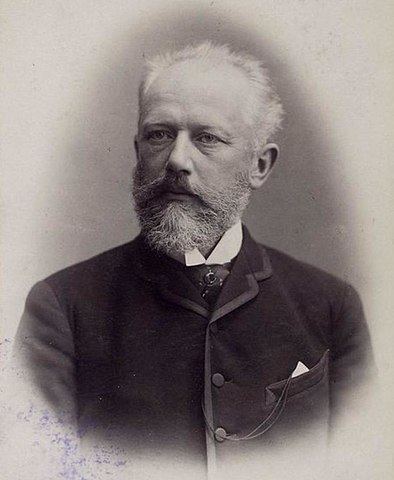
A master of lyricism and dramatic intensity. From symphonies to ballets like Swan Lake, Tchaikovsky created timeless works filled with emotional depth. His music speaks directly to the human heart, revealing vulnerability and passion.
10. Antonio Vivaldi
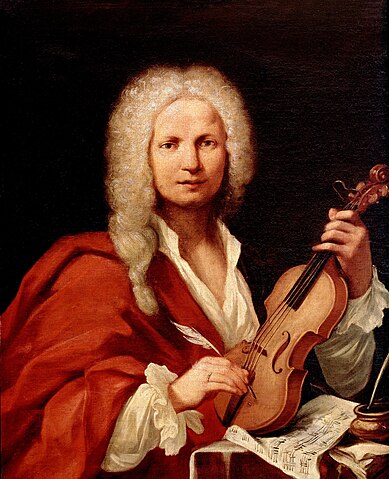
A defining figure of the Baroque era who perfected the concerto form. The Four Seasons remains one of the most beloved works in classical music, celebrated for its vivid depiction of nature, rhythmic vitality, and clarity of structure.
9. George Frideric Handel
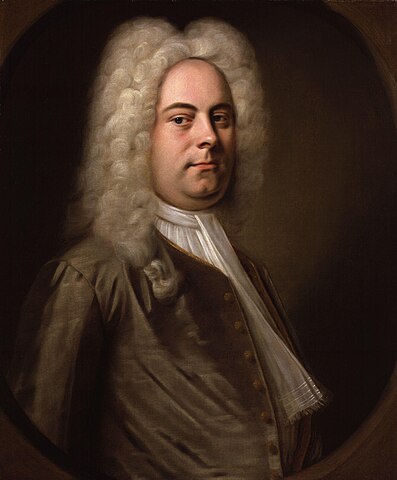
An international composer renowned for his operas and oratorios. Messiah, with its famous “Hallelujah Chorus,” stands as a symbol of grandeur and spiritual power. Handel’s music combines majesty with dramatic strength.
8. Gustav Mahler
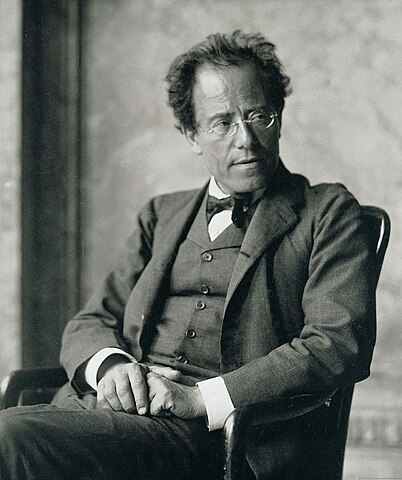
A composer who infused the symphony with life, philosophy, and the cosmos itself. His vast orchestral works reach emotional extremes and represent the culmination of late Romanticism. Mahler’s influence on modern music is profound and lasting.
7. Franz Liszt
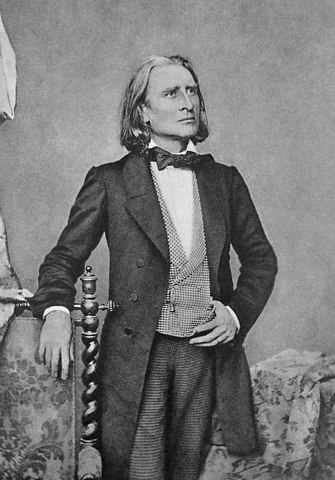
One of the greatest piano virtuosos in history. Liszt expanded the technical and expressive possibilities of the piano, combining dazzling brilliance with poetic depth. He also pioneered the symphonic poem, opening new paths in orchestral music.
6. Frédéric Chopin
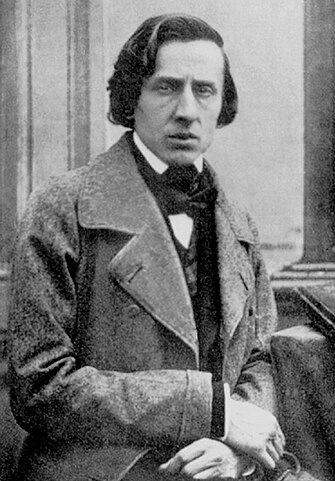
Often called “the poet of the piano.” Chopin elevated piano music through refined harmony and lyrical expression. His intimate, introspective works continue to inspire pianists and listeners around the world.
5. Franz Schubert
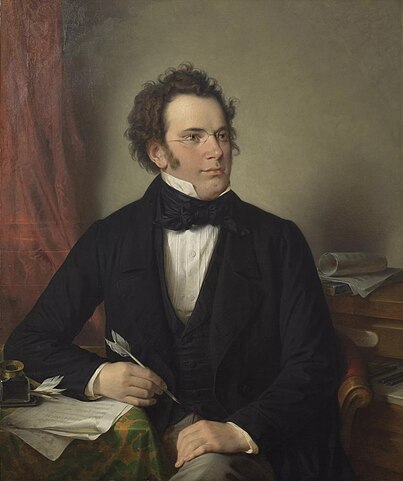
A supreme master of melody in both songs and symphonies. Works such as Winterreise and the “Unfinished” Symphony reveal a unique blend of melancholy and warmth. Despite his short life, Schubert produced an astonishing number of masterpieces.
4. Johannes Brahms
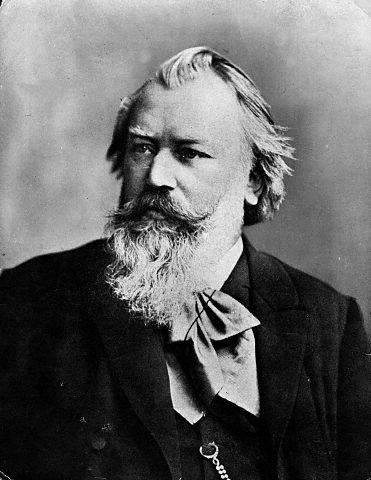
A composer who united classical structure with Romantic emotion. Brahms created monumental works in symphonic and chamber music, marked by intellectual rigor and deep lyricism. His music balances discipline and passion with remarkable poise.
3. Johann Sebastian Bach
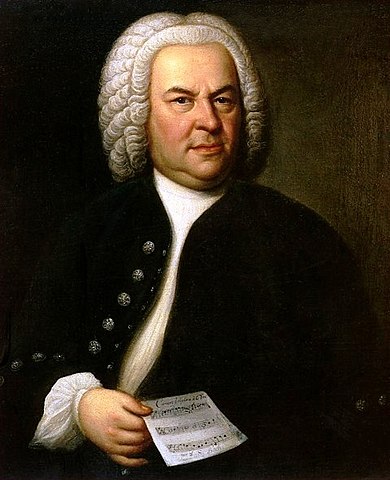
The supreme master of counterpoint. From sacred works to instrumental compositions, Bach established a universal musical language of unparalleled precision and depth. He laid the very foundations upon which Western music is built.
2. Wolfgang Amadeus Mozart
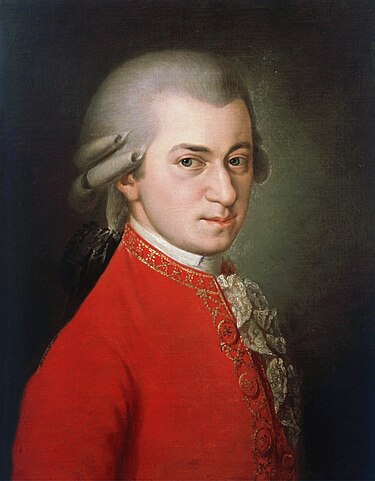
A universal genius and legendary child prodigy. Mozart excelled in every genre—symphonies, operas, concertos—achieving effortless beauty and perfect balance. His music radiates joy, clarity, and natural elegance.
1. Ludwig van Beethoven
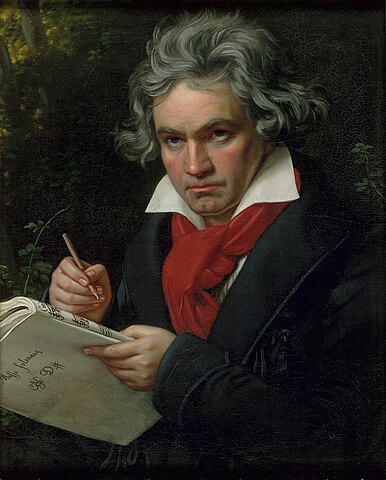
The bridge between the Classical and Romantic eras. Beethoven transformed music into a powerful expression of personal struggle and idealism, epitomized by Symphony No. 9. His revolutionary spirit and universal vision secure his place as the greatest musical genius in history.
Conclusion
This ranking is based not merely on popularity or technical skill, but on historical impact and creative originality. Bach’s architectural mastery, Mozart’s natural perfection, and Beethoven’s revolutionary force each represent different ideals of genius. Classical music is not a relic of the past—it remains a living art that continues to move and inspire us today. By revisiting the works of these composers, we rediscover the timeless power of human creativity.