Top 15 World-Renowned Contemporary Artists
The criteria for evaluating contemporary art have become increasingly diverse. Exhibition frequency, auction market value, cultural impact, social engagement, and even social media presence all shape how artists are perceived today. No longer mere creators, contemporary artists function as mirrors that reflect the cultural and political climate of their time.
This ranking highlights 15 essential contemporary artists who continue to influence the direction of global art. Their creativity, cultural reach, and impact on the art market make them central figures of the 20th and 21st centuries.
Let’s begin the countdown from No. 15.
15. KAWS
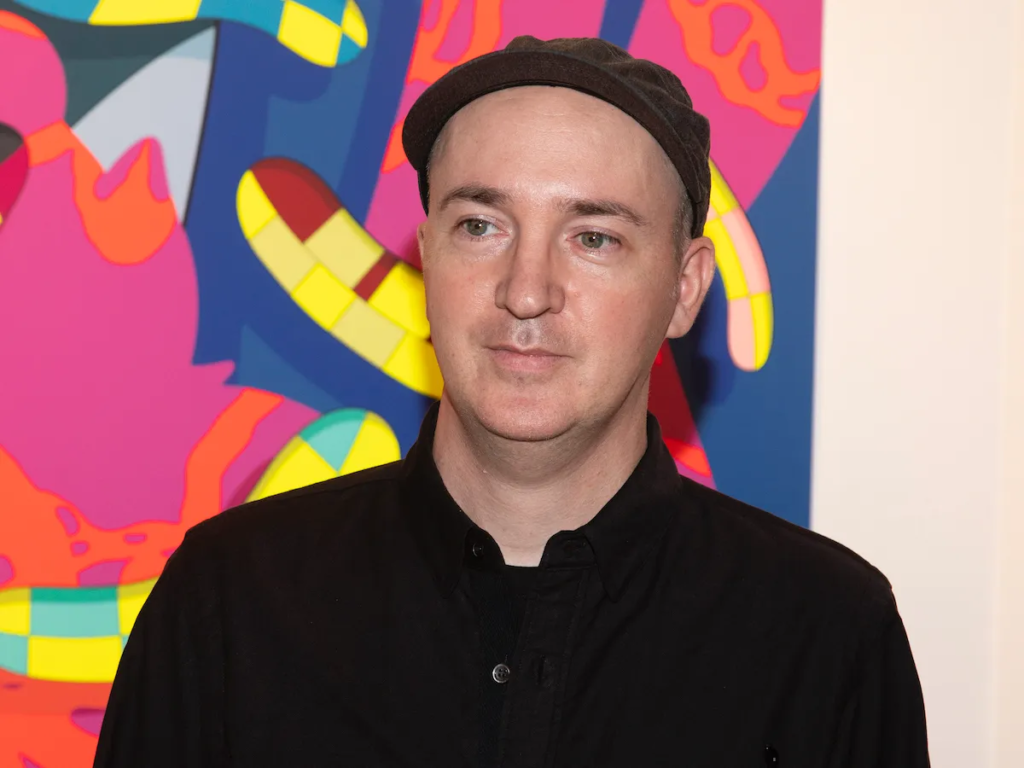
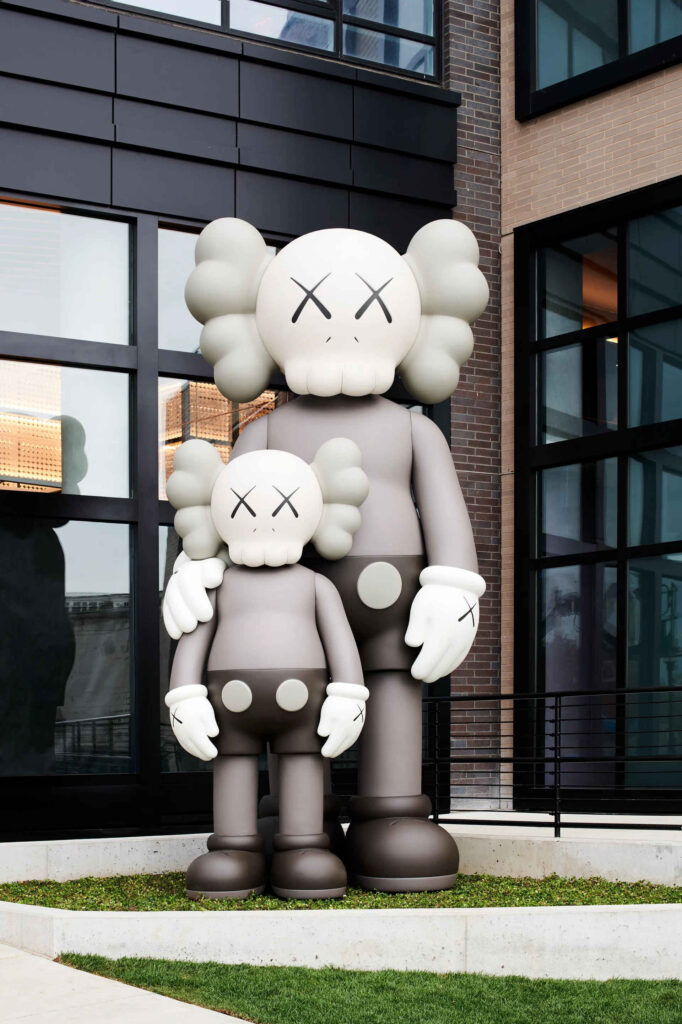
A leading figure who bridges street culture and commercial design.
His “COMPANION” figures and reimagined pop icons have captivated a young global audience, positioning him as a defining artist of the early 21st century.
14. Olafur Eliasson
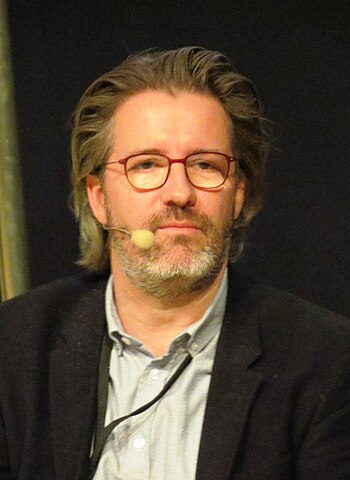
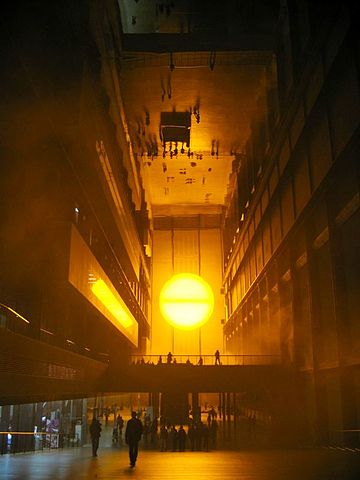
Renowned for installations that manipulate light, fog, mirrors, and color to challenge human perception. His landmark work The Weather Project bathed Tate Modern’s Turbine Hall in a glowing sun, becoming one of the most influential installations of the century.
13. Anish Kapoor
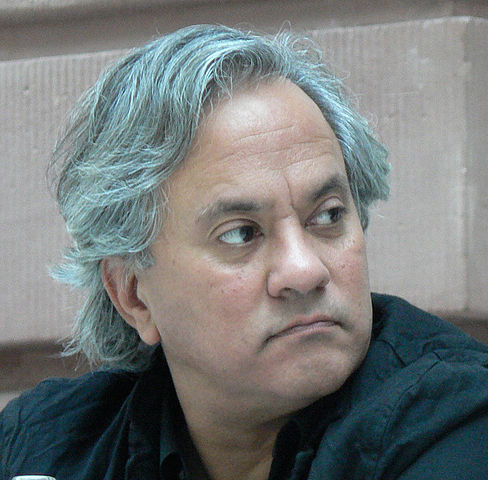
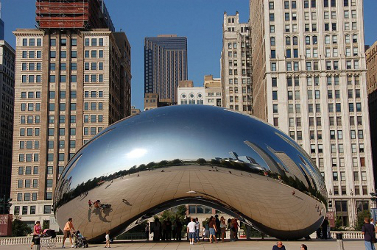
A master sculptor who transforms form and space.
Chicago’s Cloud Gate (“The Bean”) has become an urban icon, bending the city’s reflection into art itself. Kapoor’s exploration of voids, mirrors, and pigments remains unparalleled.
12. Chuck Close

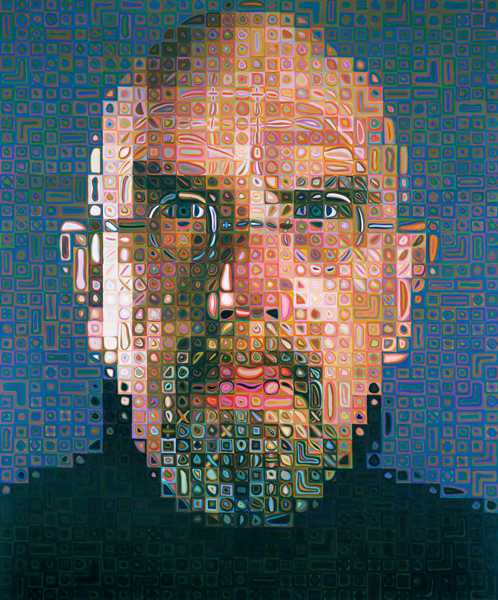
A pioneer of photorealistic portraiture.
His monumental faces—built through grids, dots, and pixel-like structures—reshaped how photography and painting intersect. Even after physical challenges later in life, Close continued producing groundbreaking work.
11. Takashi Murakami
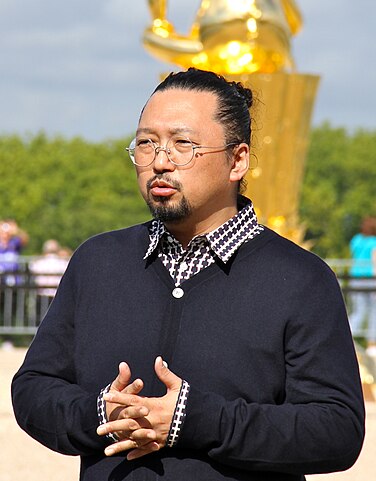
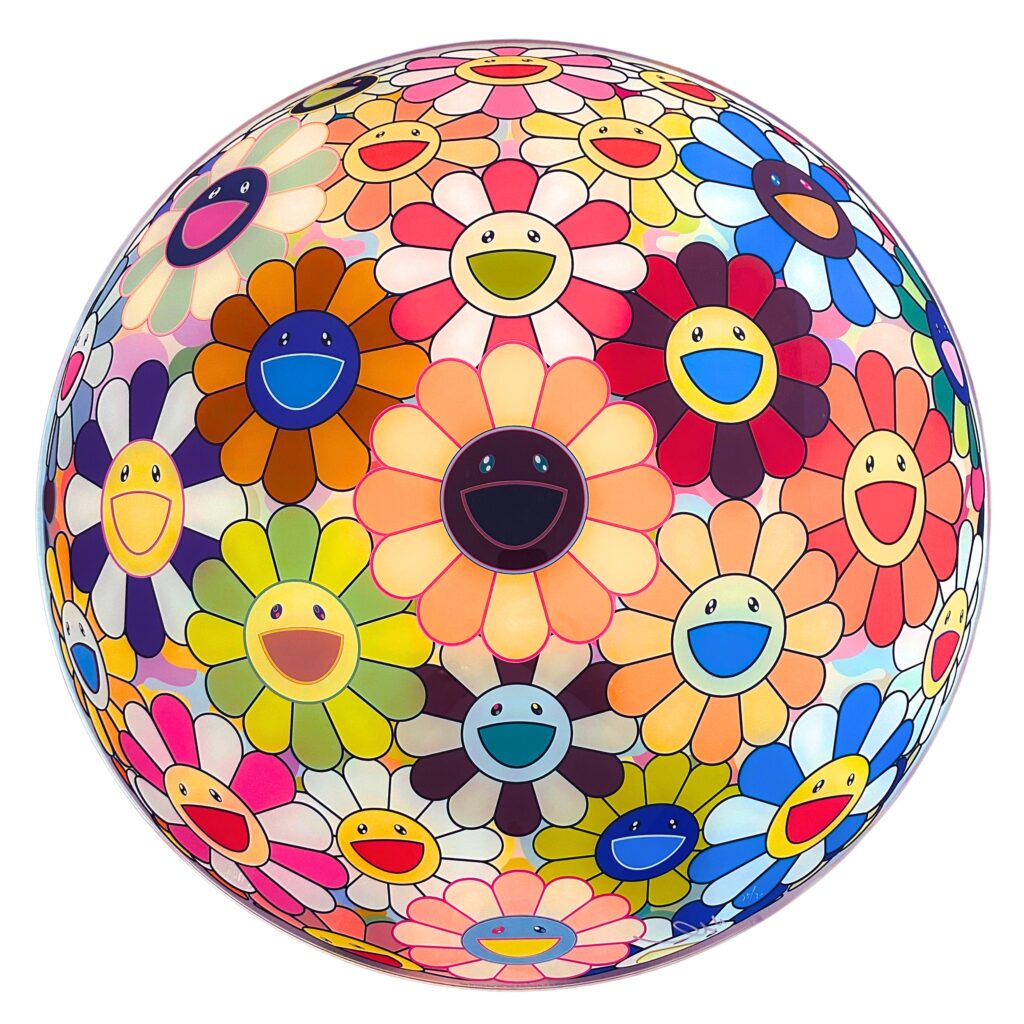
A central figure of Japan’s Superflat movement.
Murakami integrated anime aesthetics into high art, collaborated with luxury brands such as Louis Vuitton, and blurred the line between commercial culture and fine art, creating a vivid new visual language.
10. Gerhard Richter
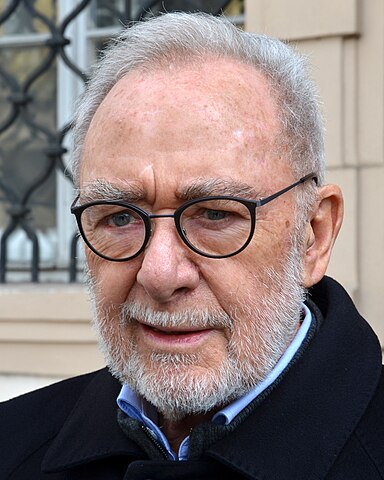
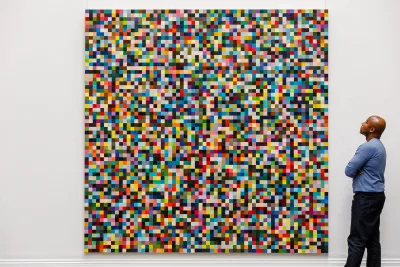
A German titan known for both abstraction and photorealism.
Richter’s ability to move seamlessly between blurred realism and squeegee-driven abstraction has secured his reputation as one of the most influential painters of the postwar era.
9. Damien Hirst
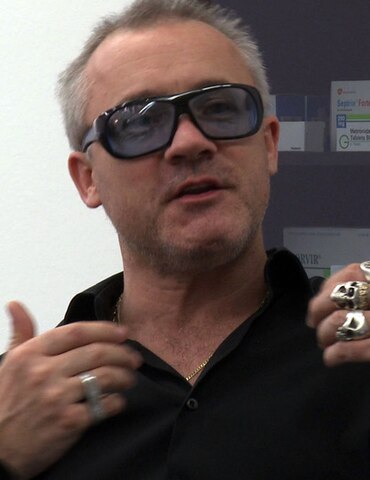
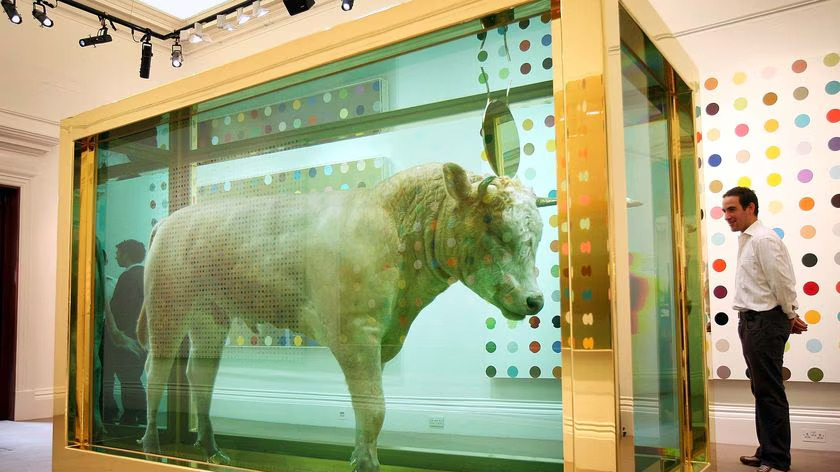
Provocative, controversial, and commercially unmatched.
From formaldehyde-preserved animals to meticulous spot paintings, Hirst constantly questions mortality, value, and the limits of art itself.
8. Louise Bourgeois
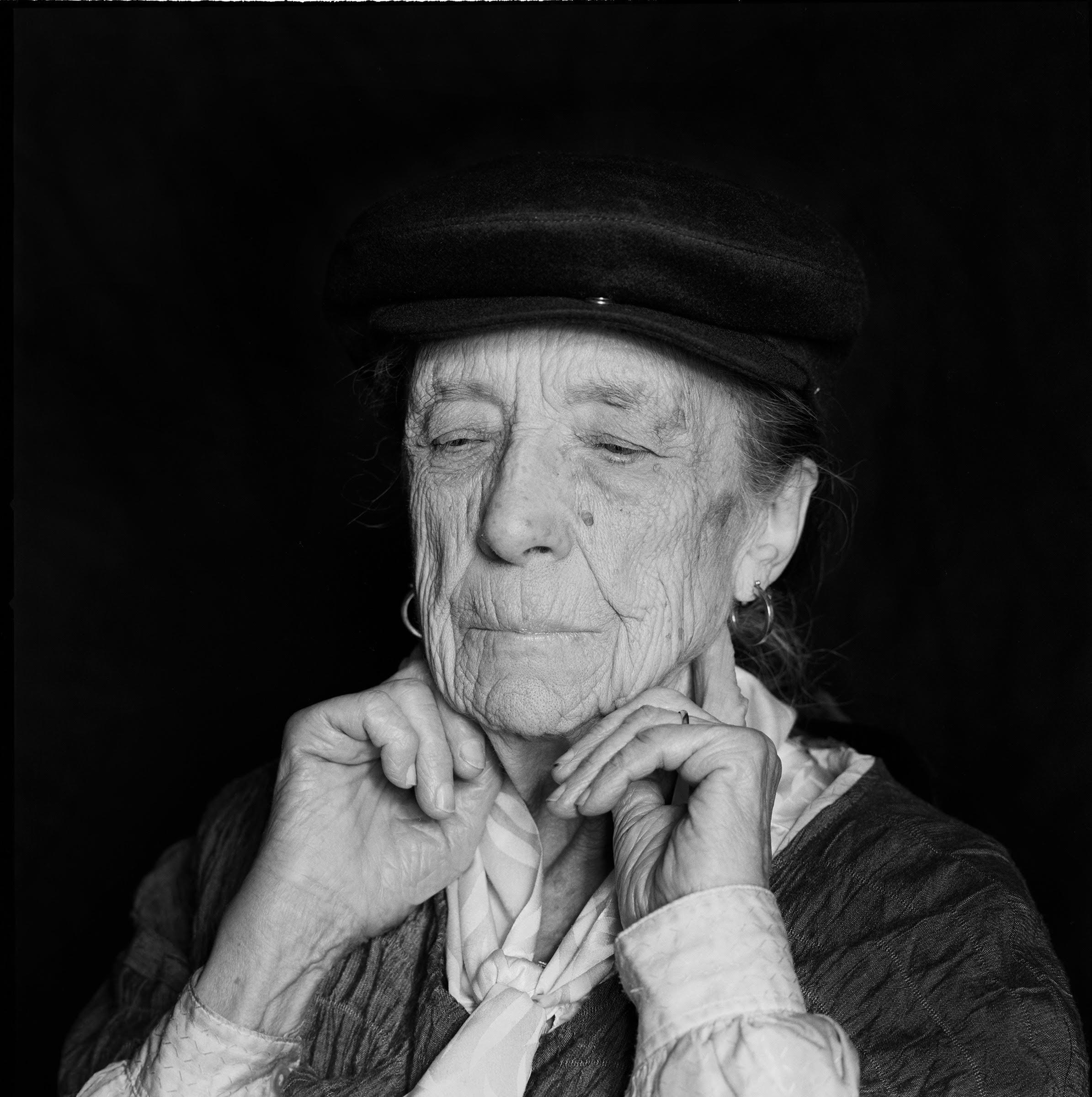
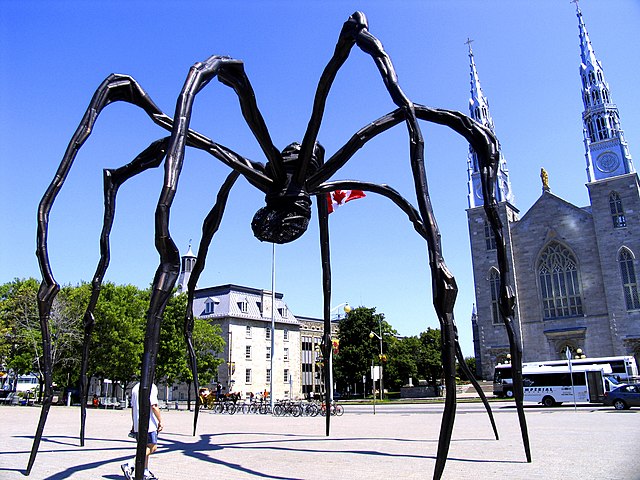
Celebrated for her emotionally charged sculptures exploring memory, trauma, and femininity.
Her monumental spider Maman remains an international symbol of maternal strength and vulnerability.
7. Yayoi Kusama
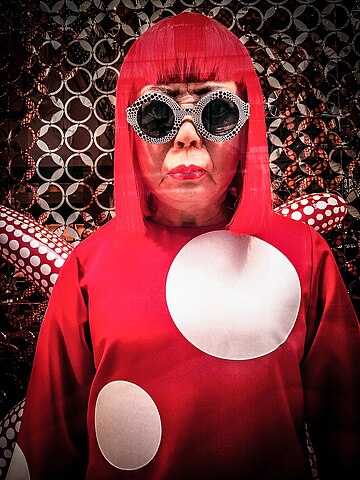
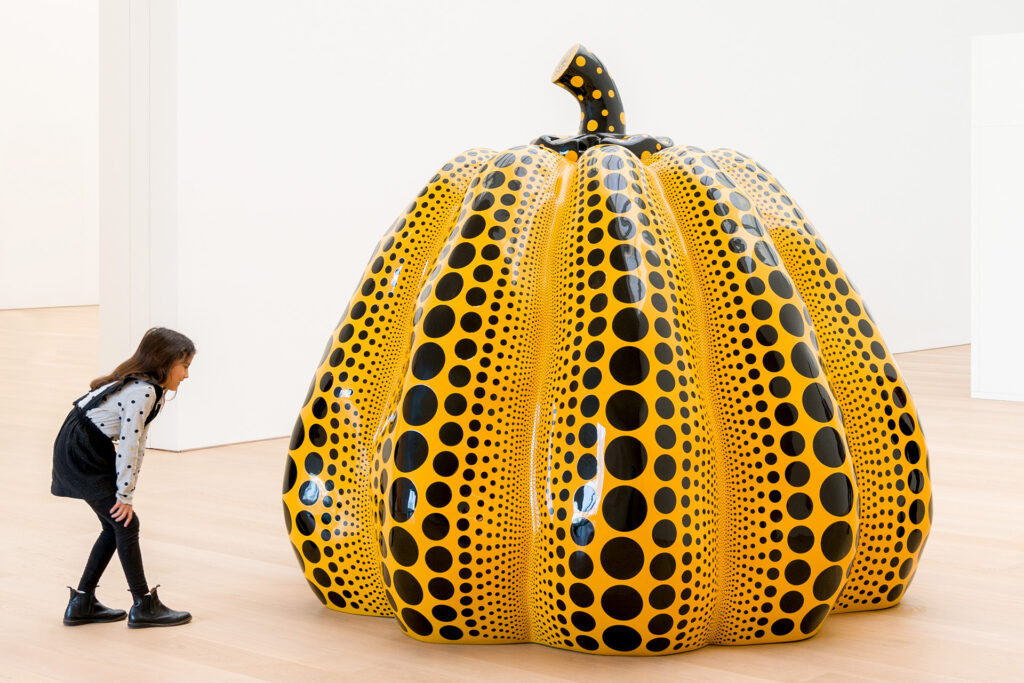
Known for polka dots, infinity rooms, and vividly immersive installations.
Kusama’s highly personal and instantly recognizable language has made her one of the most influential—and Instagrammed—artists alive.
6. David Hockney
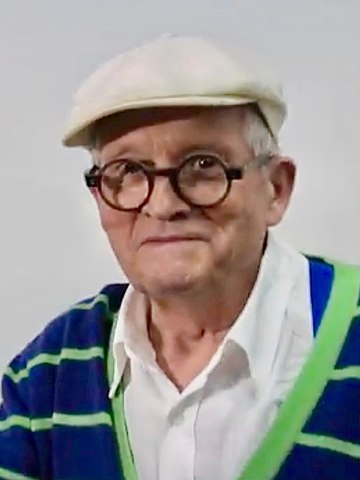
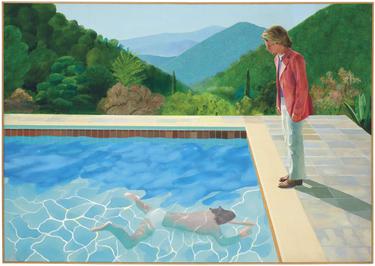
A colorist of extraordinary clarity and innovation.
Hockney’s Californian pool scenes and his experimental iPad drawings demonstrate a lifelong commitment to exploring new perspectives and technologies.
5. Banksy
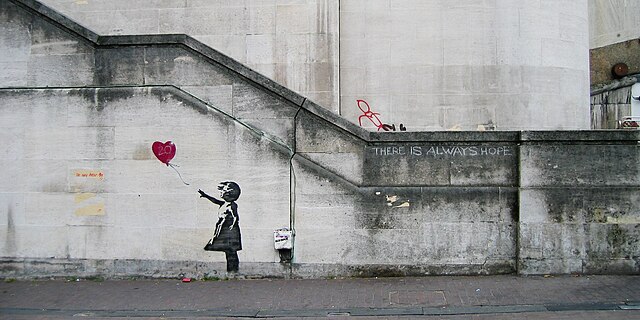
The world’s most famous anonymous artist.
His politically sharp, often humorous street works challenge authority and consumerism. The self-destructing artwork at auction remains one of the most iconic art events of the century.
4. Jean-Michel Basquiat
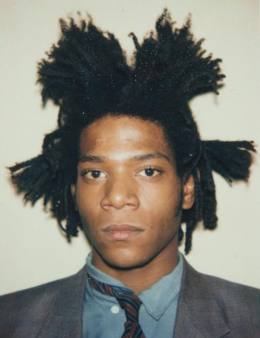
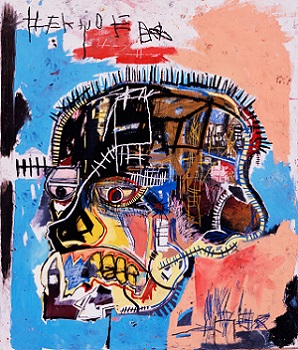
Explosive lines, raw color, and neo-expressionist energy.
Emerging from the streets of New York, Basquiat explored race, identity, and power—topics that resonate more strongly than ever in today’s cultural landscape.
3. Keith Haring
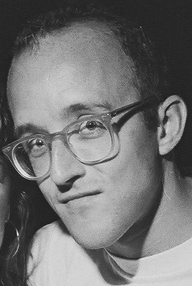
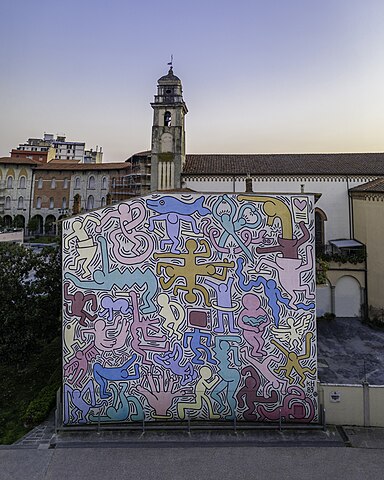
A symbol of art for the people.
Haring used bold lines and playful figures to address urgent issues such as AIDS, inequality, and human rights. His murals remain universal visual icons.
2. Jeff Koons
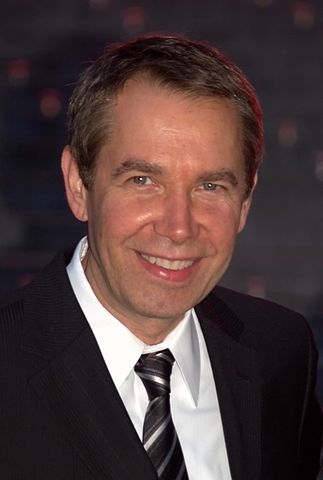
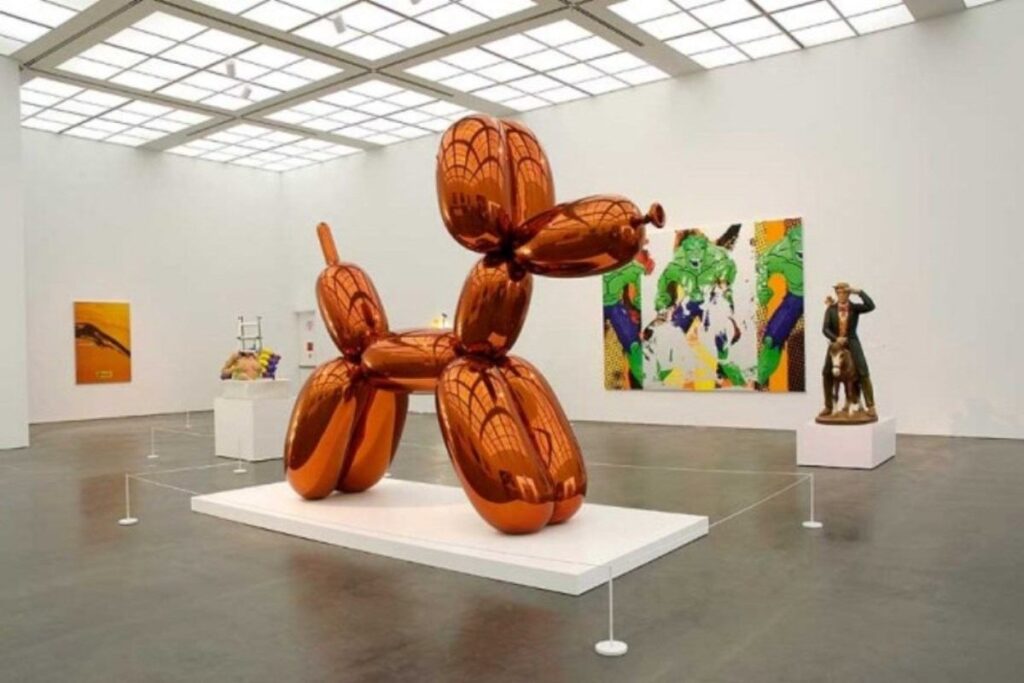
A master of spectacle, consumer culture, and hyper-polished surfaces.
His Balloon Dog sculptures have achieved superstar status, embodying the tension between kitsch and high art.
1. Andy Warhol
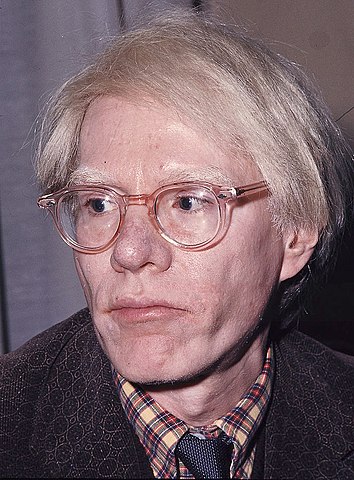
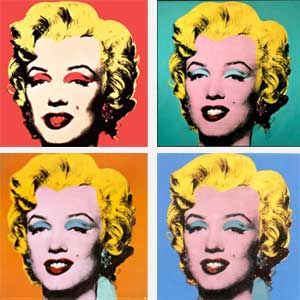
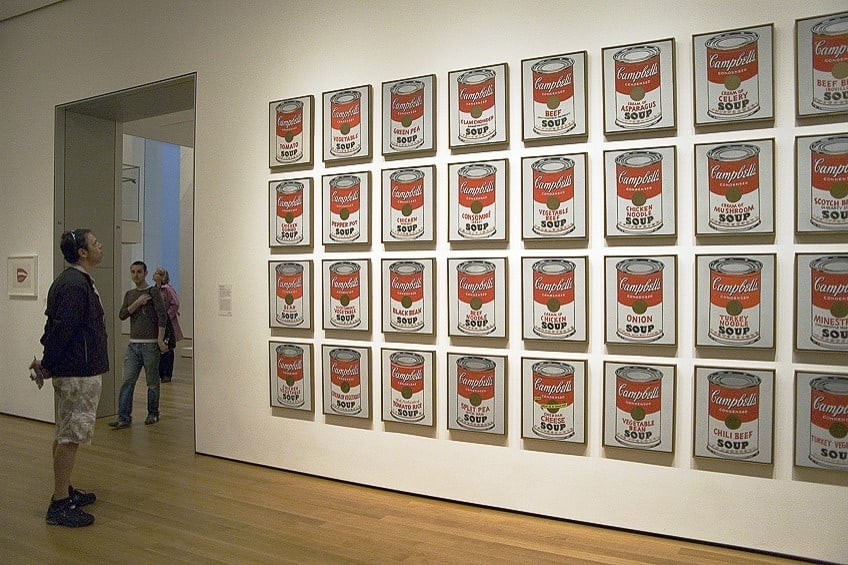
The king of Pop Art.
Warhol transformed everyday images—Marilyn Monroe, Coca-Cola, Campbell’s soup—into icons of mass culture, permanently redefining the boundary between art and consumerism.
His famous statement, “In the future, everyone will be world-famous for 15 minutes,” feels eerily prophetic in the age of social media.
Conclusion
The artists featured here have shaped far more than the visual arts—they have shifted culture, politics, markets, and even how we see ourselves. Their works invite us to rethink what art can be and how it interacts with everyday life.
Whether encountered in museums, on city streets, or online, their creations continue to challenge and inspire. Contemporary art is not an abstract concept—it is a vivid mirror of the world we live in.