Top 15 World-Renowned Architects
Architecture is far more than the act of creating spaces; it reflects culture, guides human activity, and stands as a testament to its era. Throughout history, visionary architects have transformed cities, redefined landscapes, and influenced how we live and think. In this feature, we present a carefully curated ranking of 15 world-renowned architects, listed from No.15 to No.1. Each of these masters forged their own aesthetic and philosophy, leaving an indelible mark on the architectural world.
15. Jean Nouvel
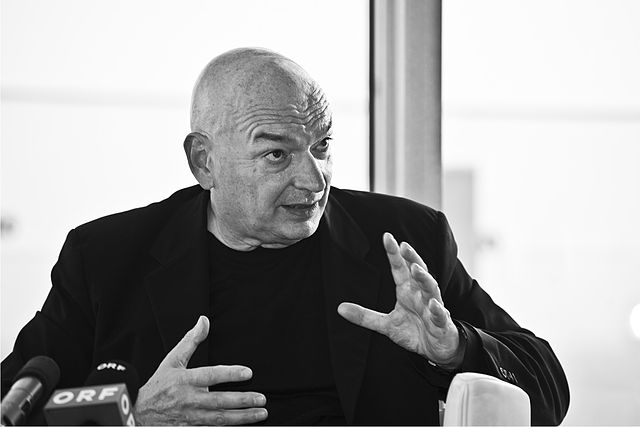
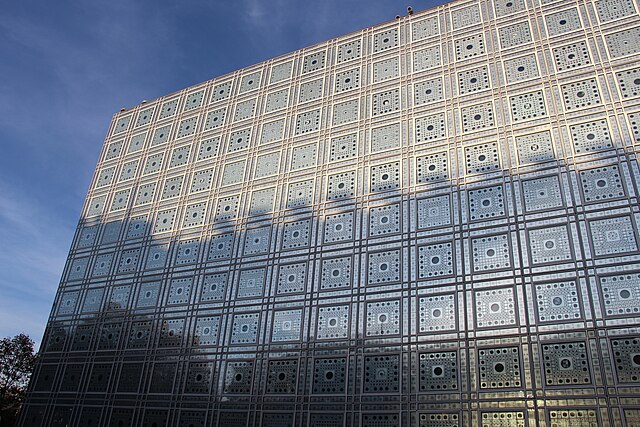
The French architect is known for his innovative use of light and material. From the Institut du Monde Arabe to the Louvre Abu Dhabi, Nouvel’s work blends cultural sensitivity with cutting-edge design. His bold yet poetic spaces distinguish him as one of the most influential contemporary architects.
14. Louis I. Kahn
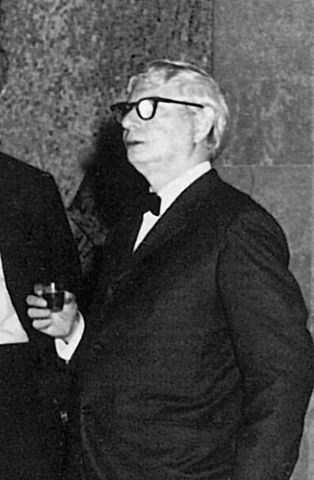
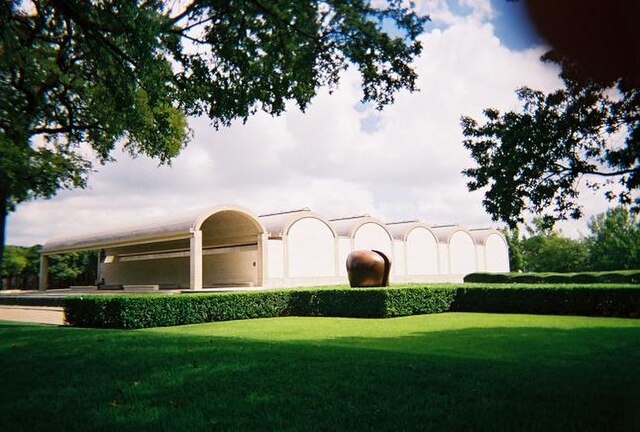
A giant of American architecture, Kahn pursued serenity and timelessness in his designs. The Salk Institute and the Kimbell Art Museum showcase his masterful control of light and shadow. His monumental forms and deep sense of spirituality influenced generations of architects around the world.
13. Ludwig Mies van der Rohe
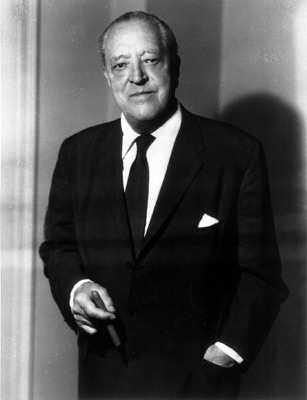
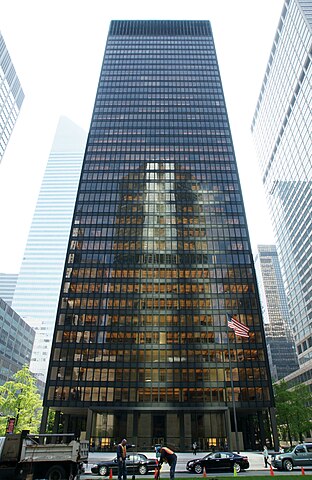
A pillar of modernism, Mies famously declared, “Less is more.” His minimalist yet powerful designs, seen in the Barcelona Pavilion and Farnsworth House, embody rationalism and purity. His work stands as one of the highest achievements in 20th-century architecture.
12. Alvar Aalto
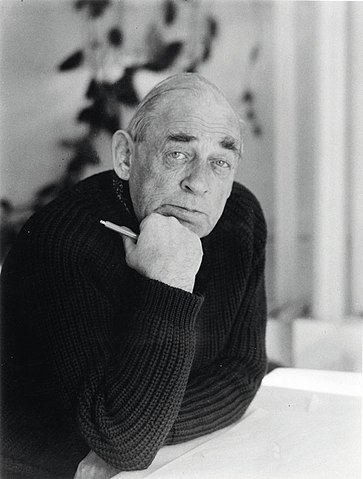
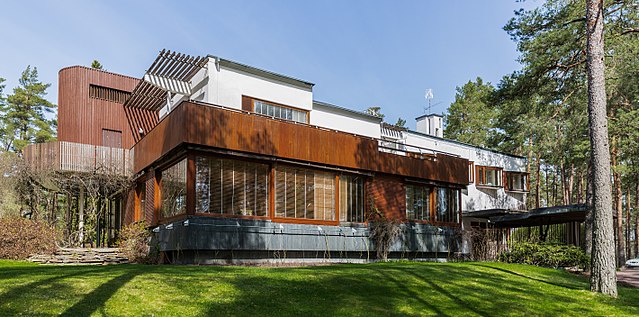
The Finnish master of “Nordic Modernism,” Aalto brought warmth and humanity to functionalism. He integrated natural materials and organic curves, creating spaces deeply attuned to human needs. His influence extends beyond architecture to furniture and industrial design.
11. Kenzo Tange
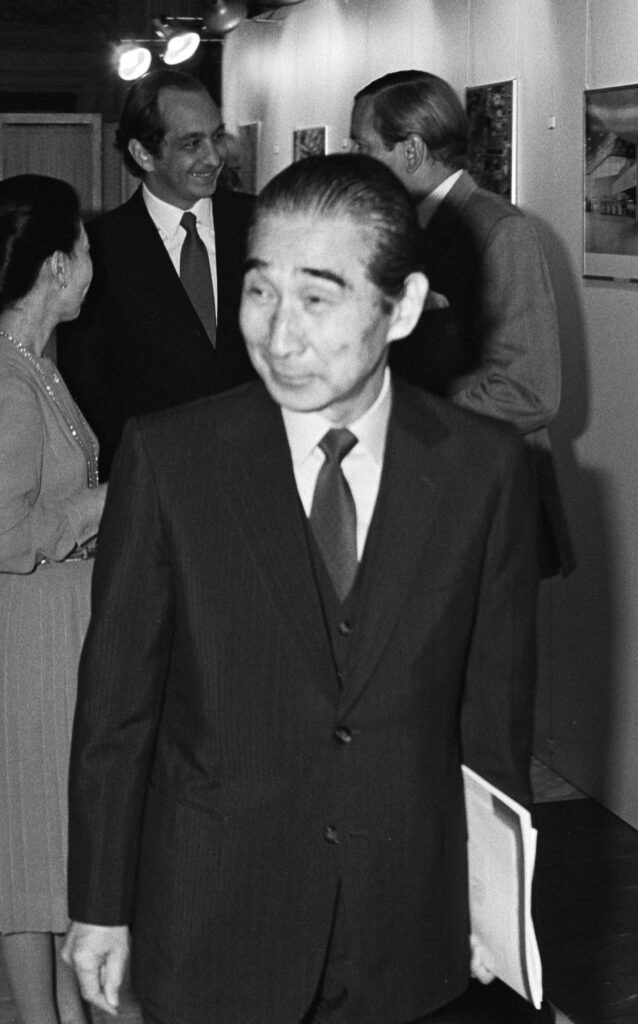
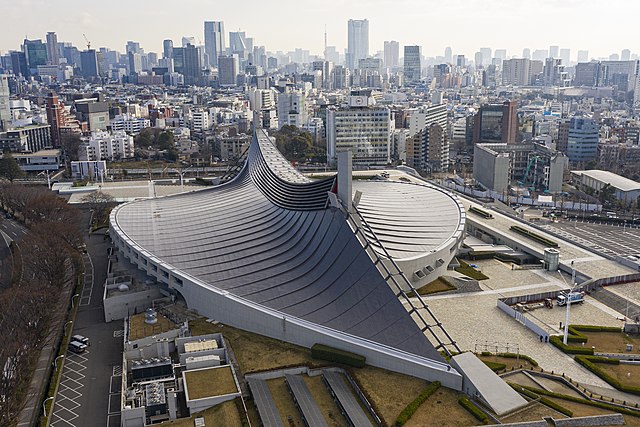
Japan’s most internationally recognized modern architect, Tange bridged traditional Japanese aesthetics with modern technology. His works—from the Hiroshima Peace Memorial Museum to the Yoyogi National Gymnasium—combine structural elegance with bold form. He also shaped urban planning around the world.
10. Zaha Hadid
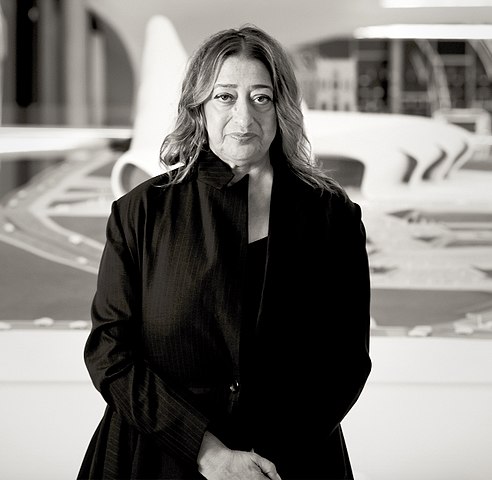
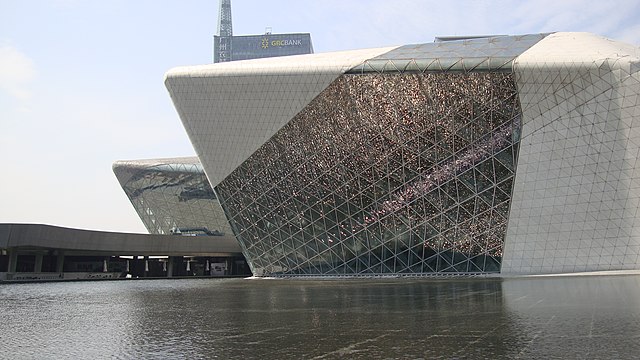
The first woman to win the Pritzker Prize, Hadid revolutionized contemporary architecture with her fluid, dynamic forms. The Guangzhou Opera House and London Aquatics Centre exemplify her futuristic vision. Her sculptural, flowing spaces expanded the boundaries of architectural expression.
9. Renzo Piano
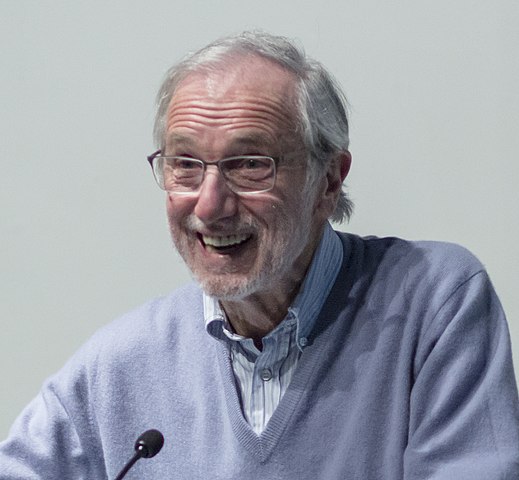
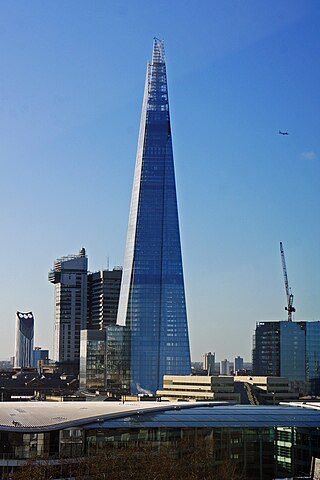
An Italian architect known for combining technical precision with gentle elegance. From the Centre Pompidou (co-designed with Richard Rogers) to The Shard, Piano’s work is diverse yet consistently considerate of context and environment. Sustainability is a core component of his design philosophy.
8. Rem Koolhaas
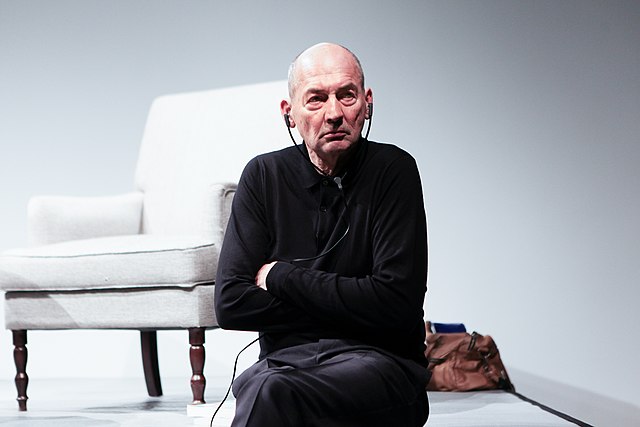
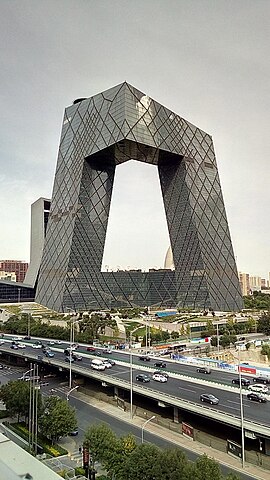
Dutch architect and theorist Koolhaas is one of the most provocative figures in contemporary architecture. His influential book S,M,L,XL rewrote architectural discourse. With projects such as the CCTV Headquarters in Beijing, he continues to challenge conventions with bold, conceptual designs.
7. Norman Foster
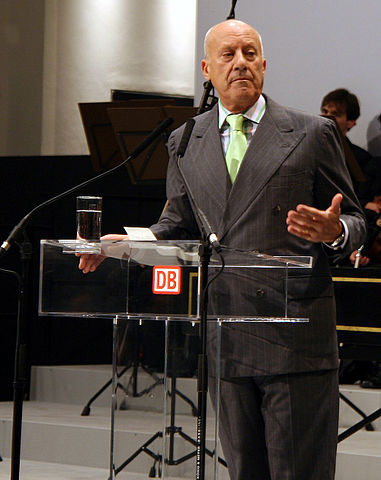
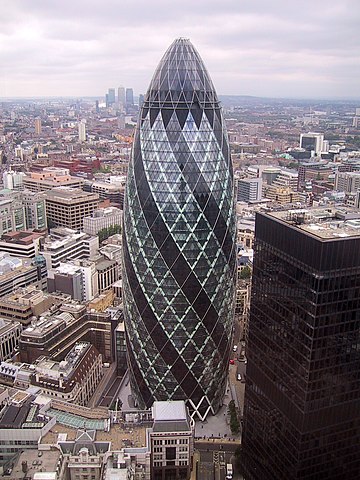
A leading figure in high-tech architecture, Foster integrates cutting-edge engineering with sleek, functional spaces. London’s Gherkin and the HSBC Building in Hong Kong are prime examples. He was also ahead of his time in advocating sustainable architecture.
6. Richard Rogers
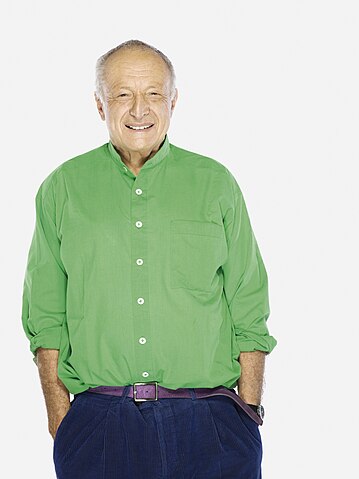
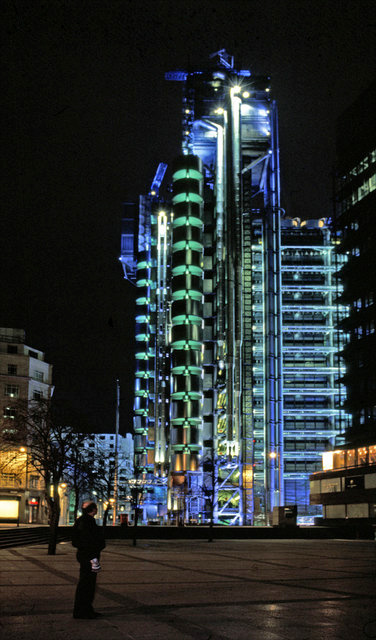
A pioneering voice in high-tech architecture, Rogers is known for exposing a building’s structural and functional systems as part of its aesthetic. The Lloyd’s Building and the jointly designed Centre Pompidou exemplify his radical approach.
5. Oscar Niemeyer
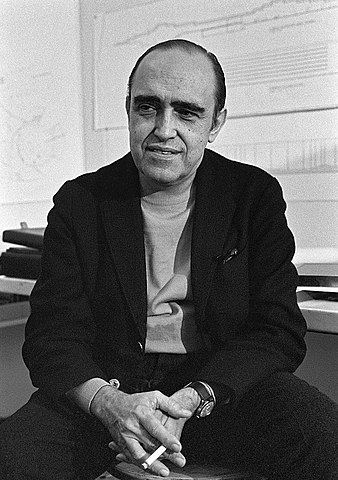
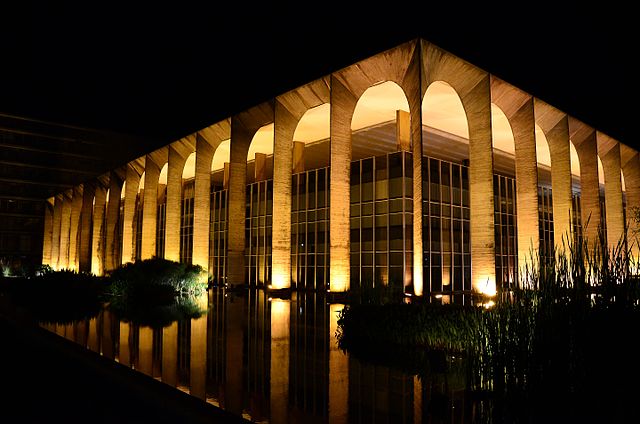
The Brazilian master transformed reinforced concrete into a medium for art. With sweeping curves and monumental forms, Niemeyer played a central role in designing Brasília, bringing a distinctly Brazilian sensibility to modernism.
4. Tadao Ando
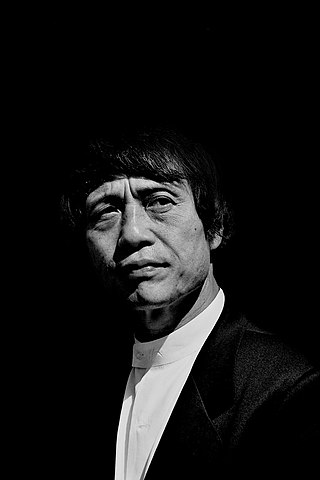
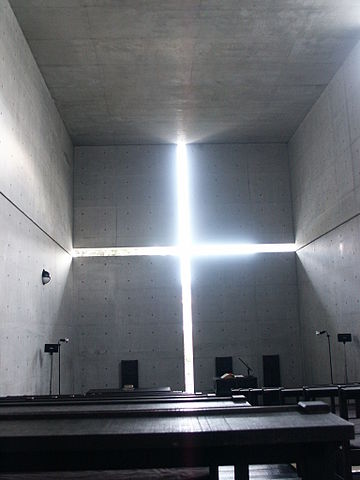
A self-taught Japanese architect celebrated for his serene, minimalist spaces crafted from exposed concrete. Works like the Church of the Light and the Row House in Sumiyoshi display his meticulous attention to light, shadow, and the integration of nature.
3. Frank Gehry
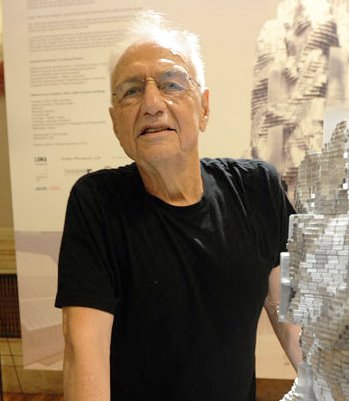
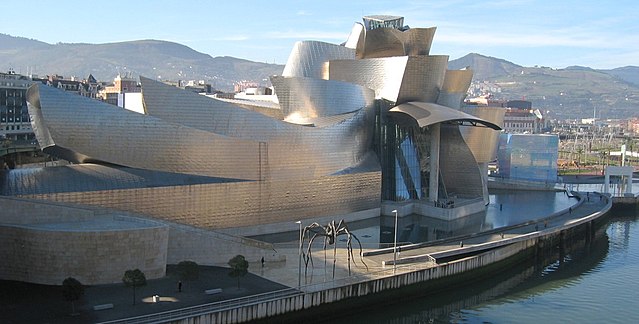
Known for his sculptural, deconstructivist approach, Gehry creates architecture that defies conventions. The Guggenheim Museum Bilbao—responsible for the famed “Bilbao Effect”—is among the most influential buildings of the late 20th century. His inventive use of form and material continues to inspire awe.
2. Le Corbusier
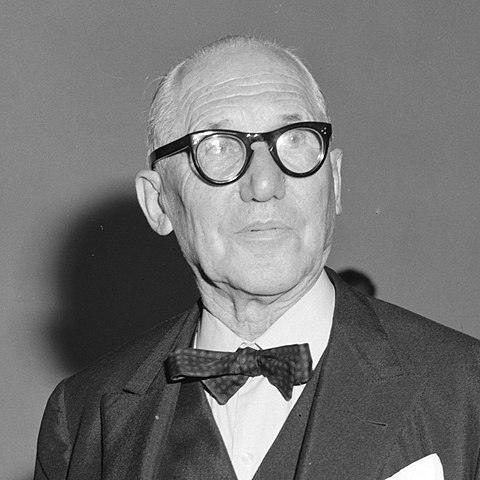
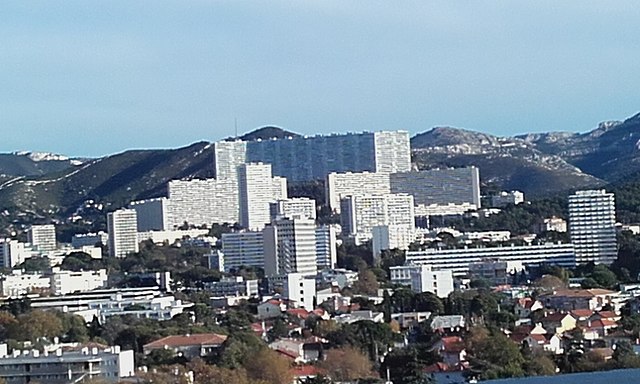
One of the central figures of modernism, Le Corbusier shaped the foundations of contemporary architecture. His concept of the home as a “machine for living” guided designs like the Villa Savoye and the Unité d’Habitation. His urban planning ideas continue to influence cities worldwide.
1. Frank Lloyd Wright
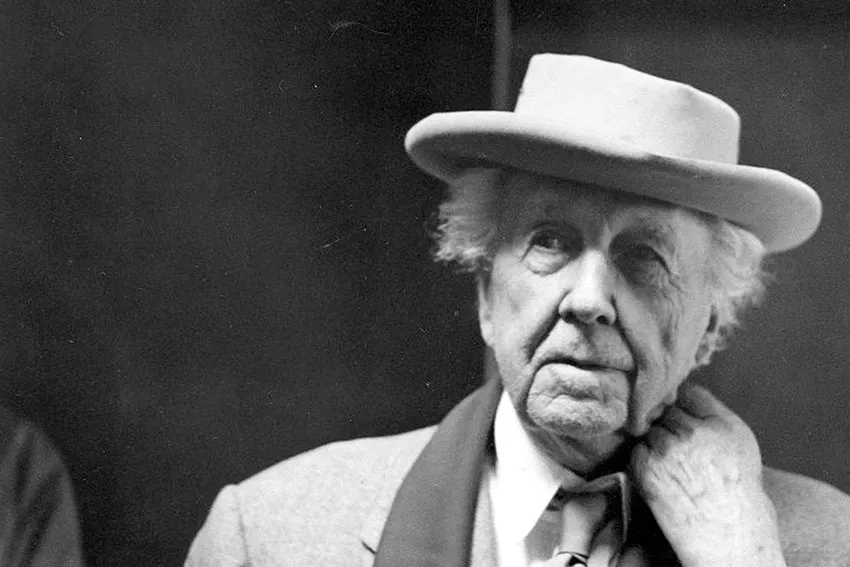
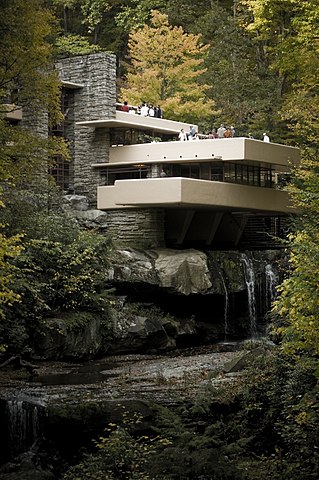
Widely regarded as the greatest architect of the 20th century, Wright championed “organic architecture,” harmonizing buildings with their natural surroundings. Fallingwater and the Guggenheim Museum in New York exemplify his vision. His legacy continues to define architectural excellence.
Conclusion
These 15 architects each represent a milestone in the evolution of architectural thought. Their groundbreaking ideas, iconic works, and enduring philosophies transcended the boundaries of their time, shaping not only buildings but entire cities and cultures. Architecture continues to evolve, but the contributions of these masters remain essential guides for the future of design and human creativity.